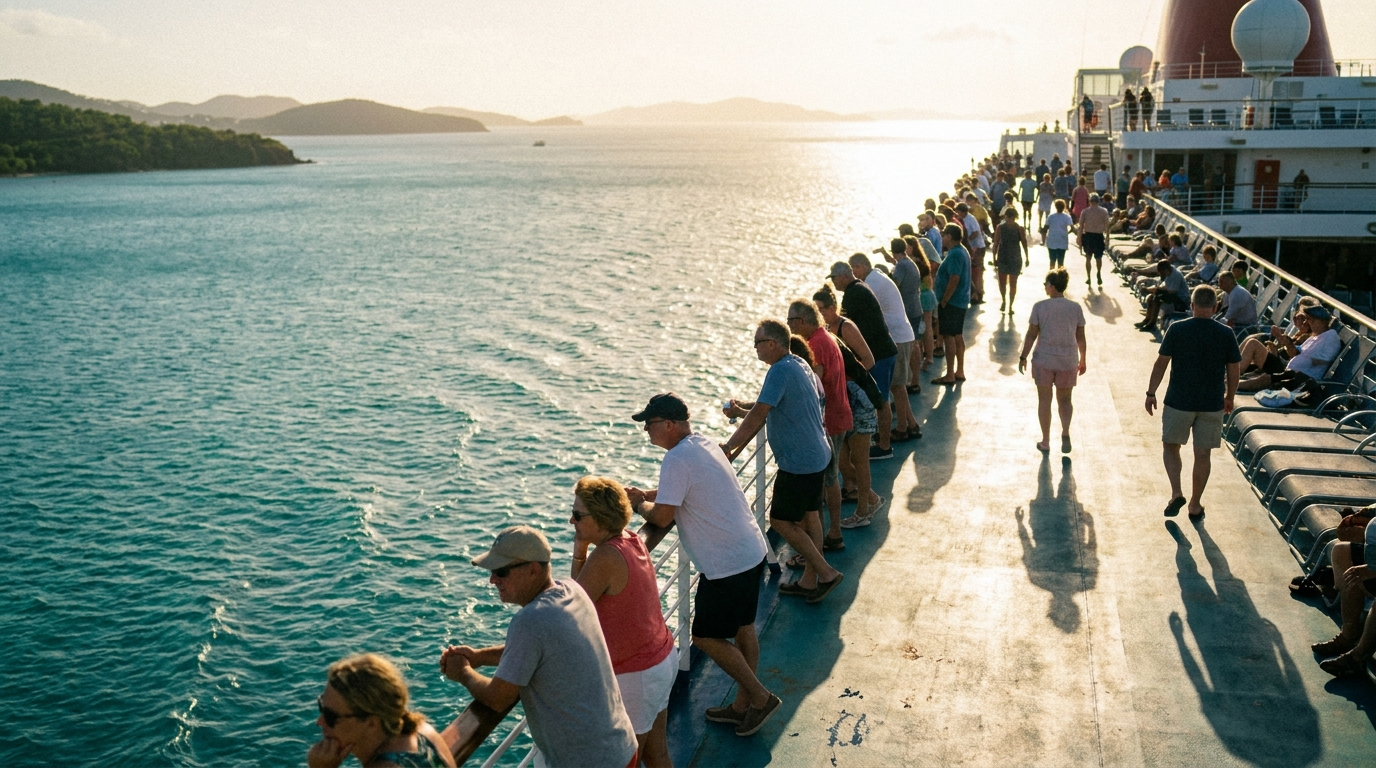
Cruise Lines Are Sold Out. Airlines Are Adding Capacity. The Travel Economy Is Not Listening to the Naysayers.
Memorial Day weekend 2026 is projected to draw 45 million American travelers, a new record, according to AAA. Nearly 40 million will drive. Another 3.7 million will fly. And somewhere in the Atlantic, a cruise ship with 6,000 passengers will be at 102% occupancy.
The headlines are familiar by now. Fuel prices approaching four-year highs. Travel costs up 9% year over year, according to NerdWallet’s index. Tariff tensions rippling through supply chains. And yet, the cruise industry is effectively sold out for the summer season. Viking, the Switzerland-based premium cruise line, reported first-quarter revenue of $1.05 billion, up 17.5% year over year. Its 2026 sailings are 92% booked. 2027 is already 31% ahead of last year’s pace.
This is not a story about luck. It is a story about structural demand, and it has real implications for every merchant, operator, and investor watching the travel economy from the sidelines.
The Numbers Do Not Lie
According to the Cruise Lines International Association, global cruise passengers reached a historic 37.2 million in 2025. The projection for 2026 is 38.3 million, a 4% increase that would mark another all-time record. Nearly 90% of cruisers say they plan to sail again. Among Gen Z travelers, that number approaches 60%, according to Bank of America’s 2026 summer travel survey.
The survey also found that 77% of Americans are planning to travel this summer, up from 74% last year and 72% in 2024. That is not a trend that is gently fading. That is a trend that is accelerating into a headwind.
Ticket sales data from the Airlines Reporting Corporation, which settles the vast majority of U.S. Airline ticket transactions, shows April travel agency ticket sales topping $10 billion, a 15% increase from the same month last year. Total passenger trips settled through ARC hit 26.4 million. International numbers are even more striking: Asia-Pacific carriers posted an 11.5% jump in demand in March, European carriers grew 7.7%, and Latin American airlines surged 12.1%.
Traffic between Europe and Asia alone skyrocketed more than 29%, as travelers rerouted around the conflict in Iran. That rerouting behavior is significant. When a geopolitical disruption drives travelers to change routes rather than cancel trips, it tells you something fundamental about how deeply embedded travel has become in the global economy.
What the Market Is Missing
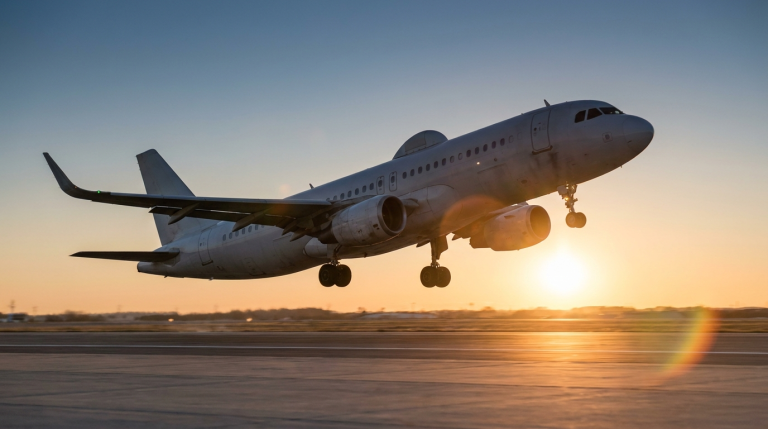
Cruise line shares have gained approximately 18% as of late May, despite broader leisure travel concerns tied to fuel costs. Viking is up. Royal Caribbean and Carnival are navigating capacity curves that are being absorbed faster than predicted. Airlines are adding flights to meet demand that their own capacity planning teams did not anticipate six months ago.
The TSA is gearing up to screen 18.3 million passengers in the week ahead, before the FIFA World Cup even kicks off on June 11. That event alone is expected to draw roughly 6 million visitors to the United States. The demand pipeline for the back half of 2026 is not soft.
What Hotel Operators and Merchants Should Take From This
The cruise boom is not happening in isolation. It reflects a broader consumer preference for bundled, experiential travel that is easy to budget and simple to book. The cruise product has matured into something that appeals to families, couples, and solo travelers who want clarity on cost and a minimal planning burden. That is a merchant insight, not just a industry data point.
For hotel operators, the implication is clear: the traveler who might have stayed four nights in a coastal city is now spending that budget on a seven-night cruise with meals and entertainment included. The competitive proposition for land-based hospitality needs to account for that shift in value perception.
For travel agents and OTAs, the opportunity is in packaging. Trip.com Group’s annual Envision conference highlighted the “3 Ds” shaping outbound travel: Discovery of emerging destinations like Uzbekistan, Argentina, and Colombia; Diversity of experience, from diving in Bali to museum-hopping in Istanbul; and Journeys in Depth, with average stays extending to six days across multi-leg trips. The company reported that outbound hotel and flight bookings on its international platform surpassed 140% of 2019 levels in 2025.
That is a global OTA telling you that the international travel recovery is not just complete. It is overshooting.
The Road Ahead
The cruise industry’s momentum is remarkable in one specific sense: it has survived disease outbreaks, geopolitical disruptions, and cost pressures that would have capsized bookings in prior cycles. Travelers are not canceling. They are repositioning. They are choosing cruise over land-based alternatives not because it is cheaper, but because the value proposition has shifted in its favor.
For everyone in the travel merchant ecosystem, the message is straightforward. Demand is not the problem. Capacity and delivery are where the friction lives. The operators who figure out how to move people efficiently and profitably are the ones who will capture the next leg of this cycle.
The ship is leaving the dock. The question is whether your seat is reserved.