
JetBlue has quietly built one of the most coveted loyalty ecosystems in commercial aviation. Its TrueBlue program has long rewarded frequent flyers with points that never expire and flexible redemption options across the JetBlue network. Now, the airline is deploying that loyalty asset in an entirely new direction: borrowing.
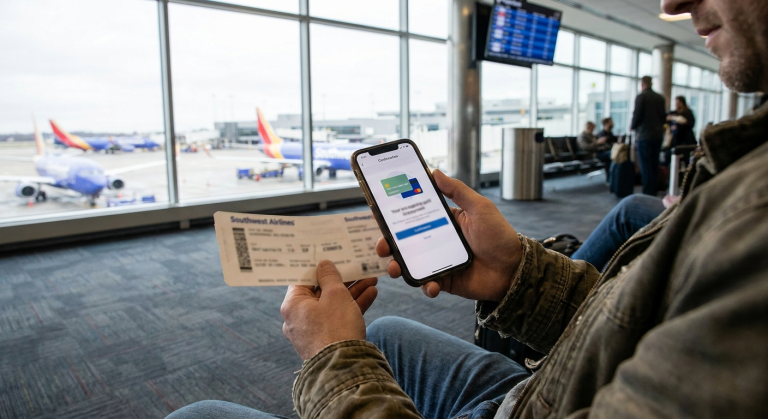
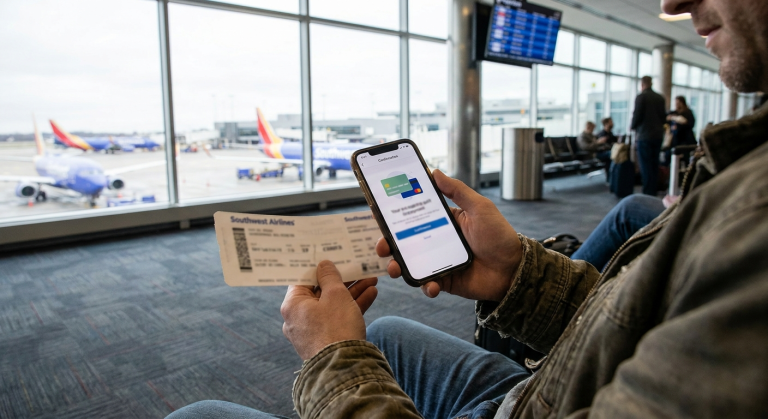
A partnership announced this month with New York fintech startup ClarityPay gives JetBlue customers the ability to finance flights through installment payments while simultaneously earning TrueBlue points on every dollar financed. JetBlue and ClarityPay are calling it the first pay-later program to tie an airline’s loyalty rewards directly to installment financing.
How the Program Works
Under the arrangement, customers booking flights through JetBlue can elect to pay over time through ClarityPay at checkout. The financing carries an APR structure reaching up to 36%, according to details cited in recent industry coverage. Those who choose the installment option earn TrueBlue points on the financed amount, effectively blending the loyalty relationship with the credit relationship.
Tom Carter, chief commercial officer at ClarityPay, described the logic in a statement. “JetBlue has one of the most powerful loyalty ecosystems, yet financing has historically lived outside that ecosystem. ClarityPay was built to change that. Together with JetBlue, we are creating loyalty-linked travel financing that gives customers more flexibility while giving airlines greater control over commerce, loyalty, and customer experience.”
The program builds on a concept JetBlue piloted internally under the name MarcusPay, an airline-issued financing option the carrier launched in recent years. The ClarityPay partnership effectively extends that capability into a third-party fintech framework that can scale across the JetBlue booking environment and, potentially, beyond it.
What This Means for Travel Merchants and Operators
For the travel merchant community, the deal signals something significant about where airline commerce is heading. Loyalty programs are no longer being treated purely as retention mechanisms for ticket sales. They are becoming distribution channels for financial products.
When an airline controls the financing attached to a booking, it controls the economics of that transaction from ticket purchase through repayment. The points incentive is designed to pull customers deeper into the airline’s ecosystem rather than letting them drift to a generic credit card or third-party loan to finance the same trip. For travel operators who depend on airline inventory and distribution, this is a dynamic worth watching closely.
The broader BNPL trend in travel has been building for some time. Industry analysis from Hopper’s 2026 travel commerce report identified monetization of loyalty, payment flexibility, and service scale as the three structural forces shaping who captures value in travel transactions today. The report noted that split payments, points redemption, and BNPL options are becoming table stakes for operators who want to stay relevant in the booking flow.
That shift is already visible beyond JetBlue. BCD Travel launched an AI-powered analytics platform called Tripsource Insights this year, part of a broader move toward conversational and integrated booking experiences in corporate travel. In the leisure segment, Expedia completed its US airline distribution coverage by adding Allegiant Air to its platform, a move that underscores how fiercely OTAs are competing to own every leg of the travel purchase.
The Regulatory Dimension
Industry observers have flagged a harder question lurking behind the partnership: what does it mean to market financing products through a loyalty program?
Consumer advocates have begun asking whether frequent flyer customers, many of whom may not be thinking of their TrueBlue points as a gateway to credit, are being subtly encouraged into borrowing at rates that exceed many traditional credit cards. A 36% APR attached to a loyalty program, even one with transparent disclosure, carries a different psychological weight than the same rate attached to a conventional loan offer.
How ClarityPay’s APR structure compares to JetBlue’s existing MarcusPay option, and whether regulators will distinguish between marketing that happens inside a loyalty ecosystem versus a standalone financing product, are questions the industry will need to answer in the months ahead.
Thailand’s Airport Tech Overhaul: A Parallel Digital Shift
The JetBlue-ClarityPay deal is part of a wider current of technology-driven change moving through the travel industry simultaneously. Thailand announced a major airport modernization initiative this month, partnering with Amadeus, Thai Aviation Industries, and Edgewater Solutions to deploy biometric e-gates, automated bag drop systems, and a centralized airport operations database across its international gateways. The program, covering airports that handle roughly 140 million passengers annually, reflects the same pattern: infrastructure operators using software and automation to expand capacity without physical expansion.
Both stories share a common thread. Whether the technology being deployed is financial or operational, the intent is control. Airlines and airports are investing in platforms that keep the customer relationship, and the data that comes with it, inside their own ecosystems rather than surrendering it to intermediaries.
The Bottom Line
JetBlue’s move with ClarityPay is a bet that the most valuable thing a loyalty program offers is not the points, but the relationship. By wrapping credit into the TrueBlue ecosystem, the airline is attempting to own both the booking and the financing that makes the booking possible. For travel merchants and operators, this is another signal that the commercial boundaries of the industry are actively shifting.