JetBlue Taps Loyalty Program as a Gateway to Embedded Financing
JetBlue has partnered with fintech firm ClarityPay to launch what the companies are calling the first pay-later program directly integrated with an airline’s loyalty ecosystem. The initiative, announced July 15, lets customers finance travel purchases through ClarityPay while continuing to earn TrueBlue points on their bookings.
How the Program Works
When JetBlue customers book through the airline’s website and select ClarityPay at checkout, they receive personalized installment options ranging from six weeks to 48 months. An introductory offer features 0% APR on terms up to 12 months for eligible customers. Beyond the promo period, standard APRs span 0% to 36%, depending on creditworthiness and state of residence.
TrueBlue points accrue immediately on financed bookings when a valid loyalty number is attached. The companies expect to introduce additional points-earning opportunities tied specifically to ClarityPay transactions later in 2026.
A Loyalty Engine Built for Financing
The deal reflects a broader shift in how airlines are weaponizing their loyalty programs. Instead of using points purely as a redemption currency, JetBlue is embedding credit products directly into the TrueBlue ecosystem. That keeps the customer relationship and all associated transaction data under the airline’s brand rather than handing it to a third-party payments platform.
“JetBlue has one of the most powerful loyalty ecosystems, yet financing has historically lived outside that ecosystem,” said Tom Carter, Chief Commercial Officer at ClarityPay. “ClarityPay was built to change that. Together with JetBlue, we are creating loyalty-linked travel financing that gives customers more flexibility while giving airlines greater control over commerce, loyalty, and customer experience.”
Ed Pouthier, Vice President of Loyalty and Personalization at JetBlue, framed the initiative as a sales and retention tool. “We set out to give our customers a best-in-class pay later solution. ClarityPay listened and delivered, tailoring the program to our needs and building a solution that increases value to our customers, grows sales, and expands our loyalty ecosystem.”
Why This Matters for Travel Merchants and Operators
For travel merchants watching the bottom line, the implications are direct. Buy-now-pay-later options have consistently shown they raise average order values and conversion rates across retail and travel sectors. By tying financing to an existing loyalty program, JetBlue eliminates the friction of a customer leaving its ecosystem to access credit, and it preserves cross-sell opportunities for ancillaries like seat upgrades, bags, and travel insurance that might otherwise get cut at checkout when a budget-conscious traveler hits a payment wall.
The white-label structure also means JetBlue controls the customer experience end-to-end, without ClarityPay’s brand appearing at any point in the journey. That is a meaningful distinction for airlines that have historically been wary of third-party payment brands co-opting their customer relationships.
The Broader BNPL-in-Travel Trend
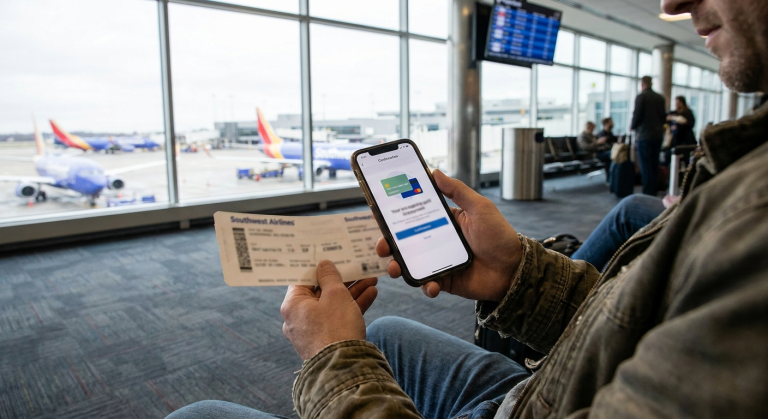
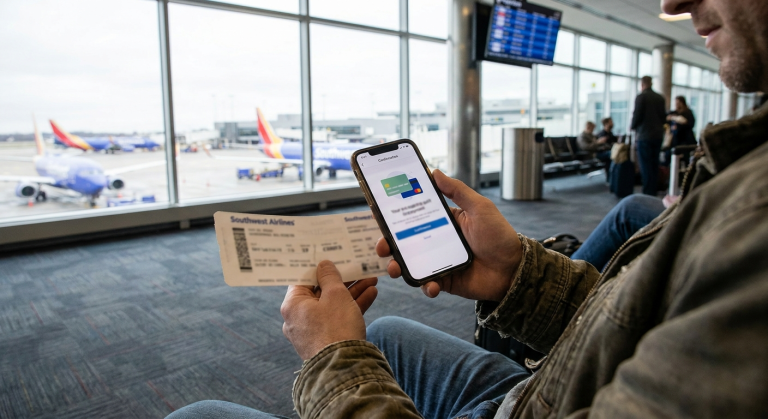
Travel has been slower than retail to adopt BNPL, partly because airlines and OTAs have strong incentives to push direct bookings and credit card-linked co-branded cards. But the economics are shifting as younger travelers in particular show strong preference for installment payment options on larger purchases. Southwest Airlines announced a Klarna partnership earlier in 2026, signaling that U.S. Carriers are now treating flexible financing as a competitive differentiator rather than a riskmanagement tool.
ClarityPay’s approach differs from traditional BNPL by extending across a wider credit spectrum, with loan terms reaching up to 84 months and amounts from $50 to $50,000. That range gives JetBlue the ability to offer financing on a broader set of transactions, from short-notice weekend getaways to full vacation packages with ancillaries bundled in.
What Operators Should Watch
Travel merchants and tour operators who work with JetBlue or distribute its inventory should monitor whether the ClarityPay model produces higher ancillary attachment rates and whether customers who finance are more likely to upgrade or add services at booking. If the data supports that thesis, expect other U.S. Carriers to move quickly on similar structures, which would create both new partnership opportunities and competitive pressure for independent operators relying on price as their primary conversion lever.
The intersection of loyalty and embedded finance is still early in travel, but the direction of travel is clear. The airline that controls the credit relationship controls the customer relationship. JetBlue just made that play explicit.
Sources: PR Newswire | Skift