Southwest Airlines Partners with Klarna to Bring Flexible Payment Options to Millions of Travelers
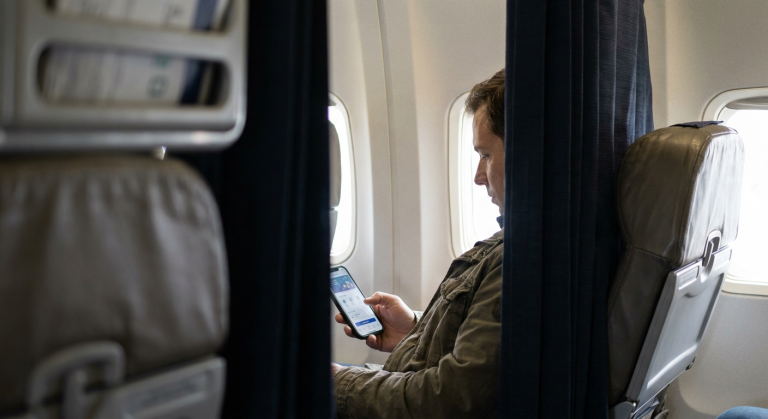
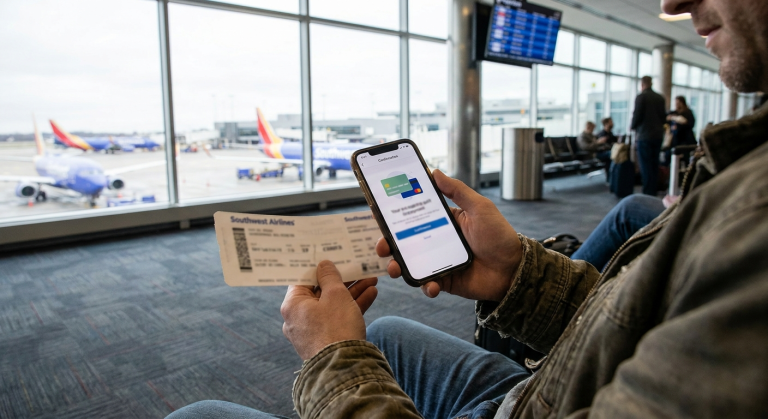
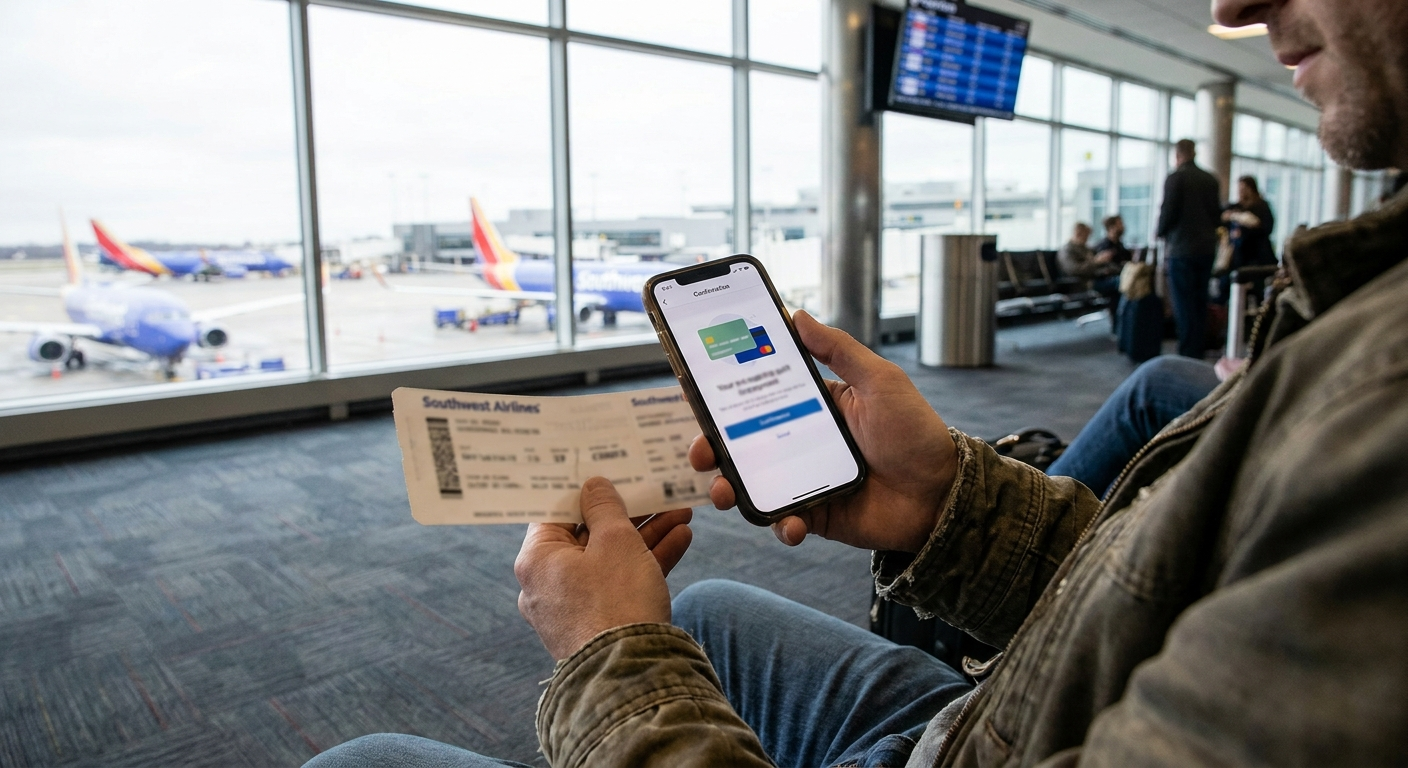
Southwest Airlines has entered into a long-term partnership with Klarna, the global digital bank and payments provider, to offer flexible buy now, pay later options to customers booking flights through Southwest.com and the Southwest mobile app. The integration is expected to launch later this year and will give travelers more ways to manage the cost of airfare through interest-free installments or financed payment plans.
This is the first time Southwest has offered Klarna as a payment option. The deal supplements Southwest’s existing Flexpay installment program, which is owned by fintech firm Upgrade Inc., and builds on the airline’s existing acceptance of credit cards, debit cards, and PayPal, including PayPal’s own BNPL solution.
What Travelers Can Expect at Checkout
Once the integration goes live, Southwest customers will be able to choose from three payment pathways at checkout. They can pay the full fare upfront, split the total cost into four interest-free installments, or finance their trip over a longer repayment period. The options will appear alongside existing payment methods on both the desktop site and the mobile app.
Klarna’s presence in the travel sector has been growing steadily. The company’s online merchant directory lists 65 travel-related partners, including online travel booking sites and multiple airlines. The Southwest partnership significantly expands that footprint in the U.S. Domestic market, where Southwest carried more than 134 million customers in 2025, according to U.S. Department of Transportation data.
The BNPL Travel Market Is Scaling Rapidly
The Southwest-Klarna announcement arrives as the travel segment of the BNPL market is experiencing strong growth. Research from Market Intelo projects the travel BNPL segment will expand from $8.5 billion in 2025 to $38.2 billion by 2034. That trajectory reflects broader consumer comfort with installment payment structures and a growing expectation among travelers that flexible payment options will be available at checkout.
For travel merchants and operators, the implications are practical. Airlines that offer BNPL options may see higher average booking values as customers feel empowered to purchase higher fare classes or add ancillary services when the cost can be spread over time. The data also suggests that offering flexible payment options reduces cart abandonment in digital booking flows, a persistent pain point for online travel businesses.
Why This Matters for Travel Merchants and Operators
Southwest’s adoption of Klarna signals that BNPL has moved from a retail-focused product to a mainstream payment option in the travel industry. For merchants and operators across the travel ecosystem, this raises several strategic considerations.
First, competition for traveler payment preferences is intensifying. Airlines and OTAs that limit payment options to traditional credit and debit cards risk losing conversions to competitors offering more flexible structures. Second, BNPL providers are increasingly competing on merchant services, with Klarna recently applying for a U.S. Industrial bank charter that, if approved, would allow the company to bring additional banking products, including merchant services, in-house. That could reshape the commercial terms merchants negotiate with BNPL platforms going forward.
Southwest’s decision to layer Klarna alongside its existing Flexpay option also reflects a broader industry trend: travel companies are building more layered payment ecosystems rather than relying on a single provider or product. For operators managing revenue and payment processing costs, understanding the fee structures, consumer protections, and reconciliation workflows associated with each BNPL option is becoming a more complex but necessary part of running a travel business.
Looking Ahead
The Klarna-Southwest integration is expected to be available to travelers later this year. As launch date approaches, industry observers will be watching how the two companies manage the technical rollout across web and mobile platforms, and whether the initial offering expands to include other Klarna products such as virtual card payments or loyalty tools.
For now, the partnership underscores a clear direction: flexible payment options are becoming a standard feature of the travel booking experience, and businesses that treat payments as a strategic capability rather than a后台 utility are better positioned to capture traveler spending in an increasingly competitive market.
Sources: