Alaska and Hawaiian Airlines Merge Booking Systems, Creating Seamless Cross-Brand Travel
Alaska Airlines and Hawaiian Airlines have completed a major operational integration that now allows travelers to book, manage, and check in for flights across both brands through a single digital platform. The transition to a shared Sabre passenger service system is the most significant technical merger in U.S. Airline history, and it carries real implications for travel merchants, corporate booking platforms, and loyalty program administrators.
One App, Two Brands, Single Journey
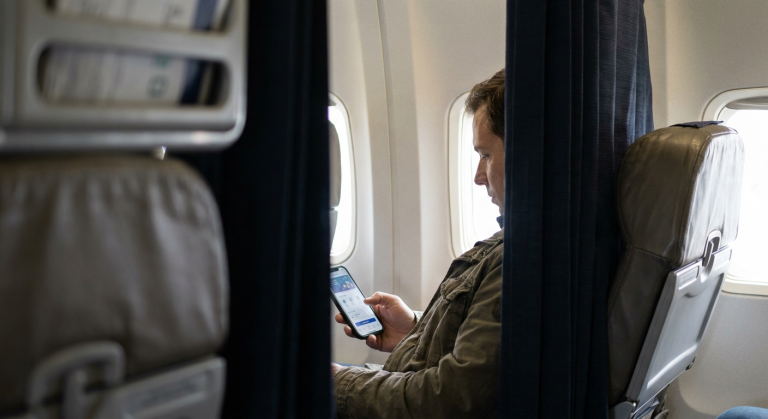
Effective this week, passengers flying on Alaska or Hawaiian Airlines can manage their entire trip through a unified mobile application. The platform supports a single record locator for bookings on either carrier, and users can toggle between Alaska and Hawaiian visual themes. The integration extends to airport operations: shared lobbies are now active in nine cities including Las Vegas, Los Angeles, New York-JFK, Phoenix, Portland, Sacramento, San Francisco, San Jose, and Seattle. Self-service bag tag kiosks have replaced traditional check-in counters at these locations.
The move positions the combined Alaska Air Group to compete more directly with the large legacy carriers on cross-country and international routes where connecting bookings across multiple airline systems have historically created friction for corporate travel managers and online travel agencies alike.
Implications for Travel Sellers and Booking Platforms
For OTAs and corporate travel platforms, the integration resolves a long-standing problem when selling itineraries that mix Alaska and Hawaiian flights. Previously, separate reservation systems meant fragmented booking flows, different ticketing rules, and inconsistent baggage reconciliation. A unified PSS means that the underlying ticket data, seat maps, and schedule information now flow through a single pipeline.
Travel technology providers that maintain NDC or GDS connections to Alaska or Hawaiian should verify their integration endpoints reflect the updated system architecture. The consolidation also affects how revenue management data is reported and how fare construction logic handles multi-brand itineraries.
Loyalty Convergence Under Way
Alaska’s MileagePlan and Hawaiian’s Huaka’i loyalty programs remain operationally distinct for the time being, though the companies have indicated that future iterations of the shared platform will enable cross-program earning and redemption. For merchants running co-branded credit card promotions or travel insurance products tied to frequent flyer status, the timeline for loyalty convergence is worth tracking closely.
Separately, Hawaiian Airlines officially joined the oneworld alliance this month, becoming the third U.S. Carrier in the global network alongside Alaska (which joined oneworld in 2009) and American Airlines. The alliance addition expands the reach of oneworld-connected corporate travel programs into the Pacific, particularly for routes connecting mainland U.S. Cities to Hawaii and onward to Asia and the South Pacific.
Operational Scale and What’s Next
Alaska Air Group CEO Ben Minicucci described the milestone as the culmination of more than a year of technical work. “We are doing something that no other U.S. Airline has done before: operating multiple brands on a single platform, and giving guests a smoother experience when they fly with Alaska and Hawaiian around the world,” he said in a statement.
The combined entity now operates more than 300 aircraft across Alaska, Hawaiian, and regional subsidiaries, with Hawaii representing the largest single market for leisure and corporate travel demand in the U.S. Carrier network. Industry analysts note that the integration reduces operational complexity significantly while setting the stage for potential future revenue initiatives including joint cargo operations and unified corporate contract offerings.
For travel merchants evaluating how this affects their inventory and distribution strategy, the key takeaway is straightforward: selling and servicing multi-brand itineraries on the Alaska-Hawaiian network just became considerably less complex. Platform integrations that were previously burdened by dual-system reconciliation should see immediate efficiency gains.
Sources: