Delta Air Lines is deepening its decade-long partnership with American Express, announcing a slate of new travel benefits on its co-branded credit card portfolio while keeping annual fees unchanged. The move signals the continued strategic importance of cobrand credit cards as a revenue engine and loyalty driver for airlines, with implications for travel merchants, payment processors, and operators watching the dynamics of airline-fintech collaboration.
What Delta Announced
On June 4, 2026, Delta revealed a set of enhancements to its SkyMiles American Express card lineup. Key additions include a complimentary second checked bag on domestic and regional routes for basic Delta SkyMiles Gold, Platinum, and Reserve cardholders, along with Reserve Consumer and Business card members. Gold card holders and business card holders will receive a $120 annual rideshare credit. Companion certificates can now be redeemed on Delta Vacations packages, a expansion of their previous limitation to flight-only redemptions.
Limited-time welcome has are also active. New Delta SkyMiles American Express Gold members can earn 70,000 bonus miles after spending $3,000 in the first six months.
Why the Fee Hold Matters
The market for premium travel credit cards has become increasingly crowded. Competitors including Chase and Capital One have pushed annual fees higher on their flagship travel cards, betting that affluent consumers will absorb higher costs in exchange for enhanced benefits. Delta is taking a different tack: instead of extracting more from cardholders through fee increases, the airline is investing in benefit depth to retain and grow its cobrand portfolio.
From a merchant and operator perspective, this matters. Cobrand credit card agreements are among the most lucrative airline commercial relationships in the travel industry. Every time a passenger charges a Delta Amex transaction, the airline earns a royalty based on purchase volume and interchange. Keeping cardholders engaged and spending on their Delta cards generates steady revenue, but only if the value proposition remains strong enough to ward off competing products.
The Airline Credit Card Revenue Model
Delta’s cobrand arrangement with American Express is estimated to generate billions of dollars annually in pretax income for the airline. That figure dwarfs what many airlines earn from ticket sales on certain routes. The model works because it converts everyday spending into loyalty currency, turning cardholders into frequent flyers who route more of their spending through airline-affiliated channels.
For travel merchants, the dynamics are clear. When an airline deepens its credit card incentives, it is essentially buying behavioral loyalty. Customers who hold Delta Amex cards are statistically more likely to choose Delta for business and leisure travel, book directly rather than through online travel agencies, and pay for upgrades and ancillary services at higher rates. Merchants that understand this dynamic can position their own offerings to complement or compete with airline loyalty ecosystems.
Implications for the Broader Travel Payments Landscape
The Delta-Amex announcement arrives against a backdrop of increasing competition in travel fintech. Riskified and Outpayce announced a partnership in April 2026 to provide fraud prevention tooling for airlines, targeting the Asia-Pacific market. Corporate travel budgets are expected to rise 5% in 2026 according to a Morgan Stanley AlphaWise survey, and airlines are positioning their payment and loyalty products to capture a larger share of rising corporate spend.
The rise of AI-driven fraud is also reshaping payment strategies across the industry. A new report from Mastercard and Recorded Future noted that payments fraud is becoming more automated and sophisticated, driven by AI tools. Airlines and their payment partners are investing in detection and prevention systems to protect the high-value transactions that flow through cobrand cards and loyalty programs.
For operators and travel businesses, the takeaway is that airline-fintech relationships are becoming more complex and more consequential. Delta’s decision to expand card benefits without raising fees reflects confidence in the revenue model, but it also places pressure on competitors to respond with their own enhancements. Merchants that monitor these dynamics can anticipate shifts in consumer behavior and adjust their commercial strategies accordingly.
Looking Ahead
Delta has not disclosed specific timeline details for when the new benefits will be available to existing cardholders, beyond noting the June 4 announcement. The companion certificate expansion for Delta Vacations packages is particularly notable, as it links the airline’s loyalty program more directly to its package holidays business. That integration could push more revenue through Delta’s own booking channels rather than third-party OTAs.
For travel merchants, watching how airlines balance cardholder incentives against fee structures offers insight into where loyalty economics are heading. Delta’s fee hold may not be permanent, but for now it signals a strategy of deepening engagement over extracting value. That approach has implications for everything from booking channel strategy to ancillary revenue optimization, and it is worth tracking as the competitive landscape continues to evolve.
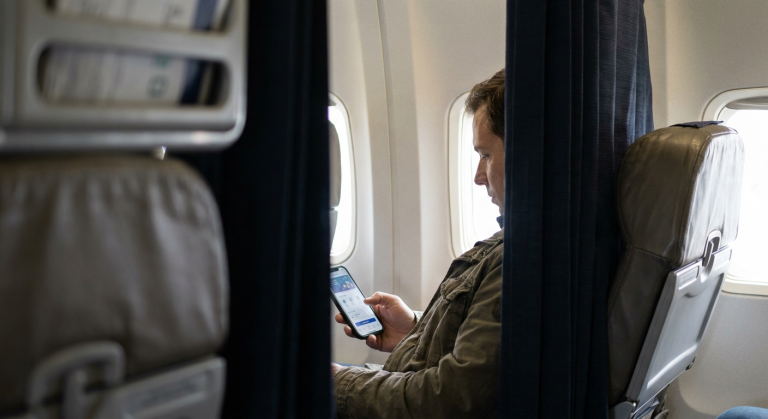
(Featured image: Delta Air Lines aircraft at a major U.S. Hub, depicting the airline’s operational scale and the travel experience at the center of its loyalty ecosystem.)