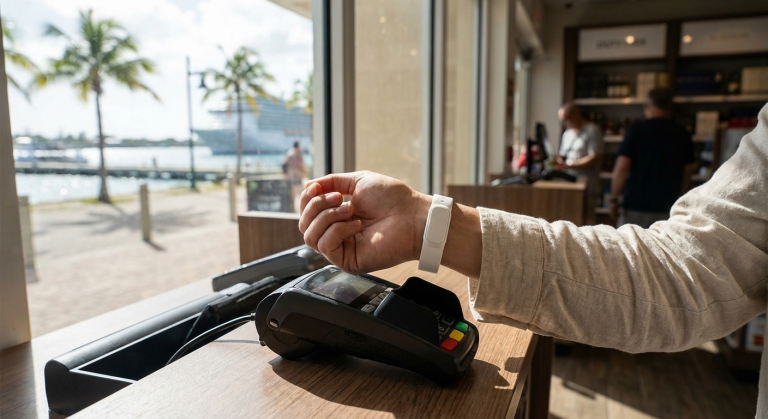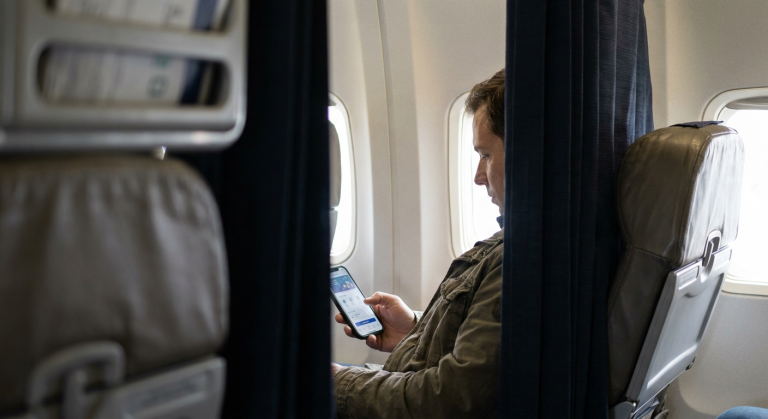
The way travelers pay for cruises, flights, and packages is changing fast. Buy Now, Pay Later (BNPL) has moved well beyond sneakers and electronics, and the travel industry is sitting up and taking notice. A recent partnership between Royal Caribbean and Affirm, which extends their existing US collaboration to the United Kingdom and Canada, is the latest sign that installment-based financing is becoming a permanent feature of the travel checkout experience.
Why Operators Are Paying Attention
For travel merchants and tour operators, BNPL is not just a payment option. It is a conversion tool. Research from Affirm shows that travel-related purchases on its platform grew 29 percent year-over-year in the quarter ending March 31, 2026. That kind of momentum tends to focus the mind.
The mechanics are straightforward. At checkout, eligible customers can split their total booking cost into manageable monthly installments, with full price transparency from the start. There are no compounding interest surprises, no hidden fees, and (for providers like Affirm) no late fees. That clarity matters to consumers who have been burned by traditional credit products in the past.
For operators, the appeal goes beyond customer goodwill. BNPL providers argue that flexible payment options reduce cart abandonment, increase average order values, and open bookings to a broader demographic that might otherwise delay or skip travel altogether.
The Merchant Perspective
From a business operations standpoint, BNPL integration typically works through a payment processor or fintech platform that handles the underwriting and settlement. The operator receives the full booking amount upfront, minus a transaction fee, while the BNPL provider carries the credit risk.
This arrangement is particularly relevant for higher-ticket travel products. A Mediterranean cruise or a multi-destination tour can easily run into thousands of dollars. Breaking that into installments reduces the psychological barrier of a large upfront cost, potentially bringing more bookings within reach of consumers who have the income but not the liquid savings.
Operators should keep several practical considerations in mind when evaluating BNPL partnerships:
- Transaction fees typically run higher than standard card processing, often in the 3 to 6 percent range depending on the provider and volume.
- Credit risk is offloaded to the BNPL provider, but operators should understand how default rates affect long-term pricing.
- Customer experience matters. A clunky or confusing checkout flow undermines the benefit of offering BNPL in the first place.
- Regulatory oversight varies by market. In the UK, providers like Affirm operate under Financial Conduct Authority authorization. Provincial rules in Canada add another layer of compliance.
BNPL in the Broader Travel Payments Landscape
The Royal Caribbean-Affirm deal does not exist in isolation. Competitors including Klarna, Afterpay, and Uplift have all been expanding their travel portfolios. Airlines, OTAs, and hotel chains have been slower to adopt BNPL compared to retail, but the tide appears to be turning.
The shift is being driven partly by consumer expectation and partly by the economics of high-value travel bookings. Several analysts point to agentic commerce for consumer travel and stablecoin settlements for B2B travel payments as parallel trends reshaping the payment layer in 2026 and beyond.
The growth trajectory is notable. Travel financing purchases through BNPL platforms have consistently outpaced broader consumer lending growth rates, even as regulators increase scrutiny of the sector. Credit reporting practices are also evolving, with major BNPL providers beginning to report loan activity to credit bureaus, which adds both risk and responsibility for consumers who use these products.
What Operators Should Watch
The BNPL travel market is still early in its growth arc. Operators who are considering a partnership should evaluate the following signals over the coming months:
- How do BNPL conversion rates compare to standard card checkout rates for similar booking values?
- Are there minimum booking thresholds that make BNPL economically viable for the business?
- What does the regulatory trajectory look like in key markets, particularly the US, UK, and Canada?
- How are major card networks and payment processors responding with their own installment products?
The intersection of travel and fintech continues to deepen. For merchants and operators who have been watching from the sidelines, the Royal Caribbean-Affirm expansion may be the signal that BNPL in travel has crossed from experiment to mainstream.
Sources: Crowdfund Insider | CNBC Select | The Paypers