Jazeera Airways Debuts Fly Now, Pay Later: A New Revenue Frontier for Airlines
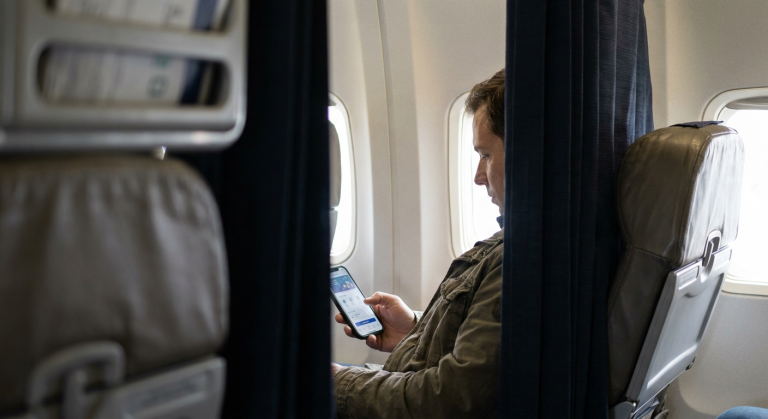
Jazeera Airways has introduced a “Fly Now, Pay Later” option for passengers, making it one of the first airlines to move embedded finance from experiment to live deployment. The move signals a structural shift in how airlines package, sell, and finance travel, with ripple effects that extend well beyond economy-class bookings into premium and executive cabins.
Beyond Consumer Convenience
At first glance, BNPL appears to be a customer-facing perk. Look deeper, and it is a revenue optimization tool. By partnering with fintech providers to offer instalment payments at checkout, airlines can reduce purchase hesitation on high-ticket routes where price sensitivity often delays booking decisions.
For premium cabins and long-haul flights, this dynamic is particularly significant. When travellers evaluate monthly payments rather than a full fare upfront, the psychological barrier to business-class or premium-economy upgrades declines. This is the same behavioural pattern that has driven BNPL adoption in luxury retail, automotive, and consumer electronics.
What This Means for Premium and Executive Travel
For travel merchants and operators serving high-value clients, the implications are immediate and practical.
Demand Smoothing: Instalment models can sustain booking momentum during uncertain economic cycles. Even affluent travellers often defer large discretionary purchases when confronted with full upfront costs. Flexible payment structures can maintain revenue flow without requiring immediate discounting, which protects brand positioning for luxury carriers.
Upsell Potential: Premium cabin upgrades become more approachable when the decision is framed around manageable monthly outlays rather than a single large sum. Travel operators who understand this psychological shift can position upgrades more effectively in their sales conversations.
SME and Corporate Programs: Smaller firms that lack large travel floats may increasingly gravitate toward programmes offering structured payment options, particularly for multi-sector international trips. Travel management companies that incorporate BNPL into their corporate offerings could unlock new client segments.
Competitive Dynamics: Expect Fast Followers
The airline industry has a strong track record of rapid feature replication once revenue benefits are demonstrated. Several factors point toward broader adoption within 12 to 24 months:
- Airlines are under sustained pressure to diversify ancillary revenue streams beyond baggage and seat selection fees.
- Digital booking stacks have become modular enough to integrate fintech partners without major infrastructure overhauls.
- Younger premium travellers increasingly treat payment flexibility as a baseline expectation rather than a premium perk.
Risks and Merchant Considerations
Travel operators should be aware of the complications that come with this model. Credit risk management becomes more entangled with the customer journey. While fintech partners typically underwrite the underlying loans, airline brands remain exposed if default rates climb unexpectedly. Regulatory scrutiny is also a factor as travel financing expands across jurisdictions with different consumer protection frameworks.
Aggressively marketing financing for first-class cabins could inadvertently commoditise the premium experience if not carefully positioned. The messaging matters: BNPL should feel like a sophisticated financial tool, not a subprime lending scheme.
The Booking Experience Is Becoming a Financial Product
BNPL sits at the leading edge of a broader transformation in travel retail. Airlines are increasingly layering financial products on top of their booking platforms, including dynamic pricing, subscription offerings, and loyalty monetisation tools. The competitive battleground is shifting from aircraft and routes into the financial architecture of the booking experience itself.
For travel merchants and operators, the strategic takeaway is clear. Payment infrastructure is no longer a back-office concern. It is a primary lever for shaping demand, driving ancillary revenue, and differentiating the customer experience. Operators who treat fintech integration as a strategic priority, rather than an IT implementation project, are positioned to capture disproportionate share in the next phase of premium travel growth.
Jazeera Airways has planted a flag. The question for competitors and travel ecosystem partners alike is how quickly they will follow.