
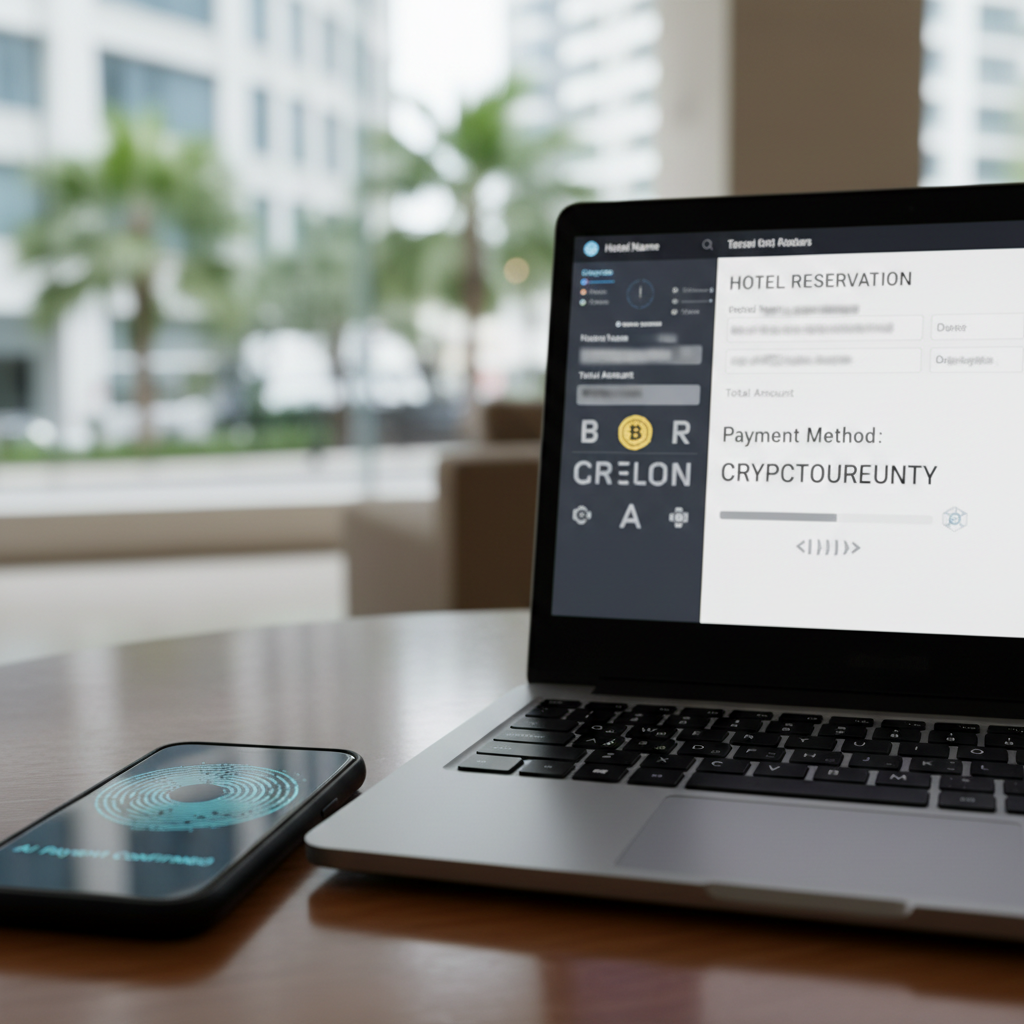
The Agentic Payments Revolution Is Coming for Travel Merchants
Two announcements this week pulled into focus a shift that travel payment infrastructure has been building toward for years. The first: RedotPay, a stablecoin-based payment network with over 7 million users across more than 100 countries, launched a partnership with Tempo, a payments-first Layer-1 blockchain incubated by Stripe and Paradigm, to enable AI agents to initiate and settle transactions autonomously using stablecoins. The second: Visa published its 2026 payments predictions, flagging that industry collaboration on fraud and identity risk management will accelerate and that stablecoins are becoming a recognized rail for cross-border settlement.
Together, these developments point to a near future where travel merchants and operators will need to accommodate a new class of payer: autonomous software agents making purchasing decisions on behalf of human users.
What Agentic Payments Actually Means for Travel Businesses
Agentic payments refer to AI systems that are empowered to discover products, evaluate options, initiate transactions, and complete payments without human intervention at each step. In a travel context, this could look like an AI agent booking a hotel room, purchasing travel insurance, or settling a cruise cabin upgrade independently. The RedotPay and Tempo integration specifically targets this use case by embedding stablecoin payment capabilities directly into machine-to-machine purchasing flows.
For travel merchants, the implications are structural rather than cosmetic. If AI agents are actively buying travel services on behalf of consumers, merchant acquisition strategies need to account for machine-initiated transactions. Payment systems that were designed for human decision cycles may need to add endpoints, reconciliation processes, and webhook infrastructure tuned for non-human payers.
RedotPay’s platform already covers 100-plus countries, which means travel operators accepting stablecoin payments through this channel gain instant access to a user base that spans global markets. The company has flagged that its B2B stablecoin solution is next in line for AI integration, which would extend agentic payment capabilities to business travel bookings, corporate hotel programs, and operator-to-operator settled transactions.
The Stablecoin Rail Is Quietly Becoming Travel Infrastructure
Stablecoins have been circulating in payment industry conversations for several years, but their migration into travel-specific payment flows is a more recent development. The Paypers noted in its 2026 travel payments overview that stablecoins are gaining traction specifically for B2B use cases, where cross-border settlement speed and reduced intermediary costs are acute pain points.
Visa’s 2026 predictions reinforce this trajectory. The network identified stablecoins as a legitimate cross-border payment mechanism and noted that collaborative fraud and risk infrastructure will become a shared industry capability rather than a proprietary one. For travel operators, that shared infrastructure matters: fraud patterns in travel bookings are notoriously complex, spanning loyalty accounts, package tours, and recurring billing cycles that span multiple suppliers.
Payment orchestration platforms are already evolving away from static rule-based systems toward autonomous AI-driven models, according to Edgar Dunn’s 2026 advanced payments report. These AI systems are improving authorization rates, reducing fraud, and lowering operational costs. When those same orchestration layers add stablecoin rails and agentic payment endpoints, the operational picture for travel merchants shifts considerably.
What Operators and Merchants Should Be Tracking
Three developments merit close observation. First, the timing of the RedotPay Phase 2 launch set for June 2026 will be a real-world data point on whether consumer-facing agentic payments gain traction or remain a developer-forward novelty. Second, the Visa Stablecoin Registry and shared risk infrastructure initiatives, if they materialize as described, could establish a standardized on-ramp for travel merchants to accept stablecoin payments through familiar card network relationships. Third, the Barcelona terminal closure story illustrates how regulatory and destination-level policy decisions intersect with payment flows, since the cruise industry’s port payment infrastructure will need to adapt as passenger volumes shift.
Travel operators who currently rely on legacy payment gateway setups should treat 2026 as a planning year for payment infrastructure modernization, not an academic discussion about emerging fintech. The components are assembling quickly.