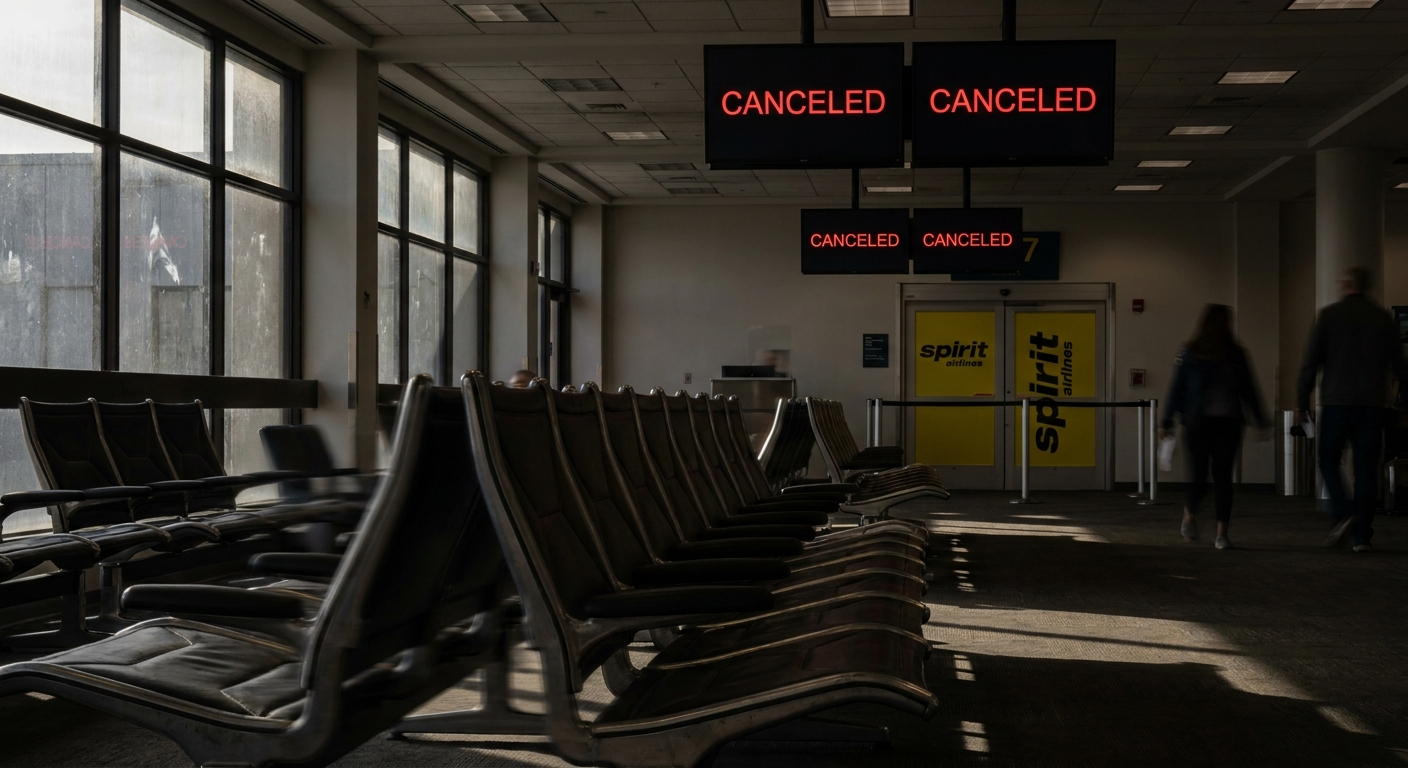
Spirit Airlines, the ultra-low-cost carrier that reshaped American air travel for more than three decades, ceased operations abruptly on Saturday, May 2, 2026, leaving thousands of passengers stranded and forcing a rapid rethink of travel plans across the country.
The shutdown came after merger talks collapsed, pushing the budget airline into liquidation. Spirit canceled all flights, suspended customer service, and instructed travelers not to come to the airport. For merchants and travel operators, the fallout is just beginning.
What Happened
Spirit filed for bankruptcy protection in early 2024 and had been operating under court protection since then. After months of negotiations, a planned acquisition fell apart in late April, removing any remaining path to solvency. On Saturday morning, the airline announced it was shutting down immediately.
“We are proud of the impact of our ultra-low-cost model on the industry over the last 34 years and had hoped to serve our guests for many more years,” Spirit said in a statement. The airline said it would automatically process refunds for flights purchased directly with a credit or debit card.
Rising jet fuel prices driven by the US-Israel conflict with Iran were cited as a final blow to the carrier’s fragile finances, compounding years of debt and operational pressure from the post-pandemic travel recovery.
Impact on Travelers
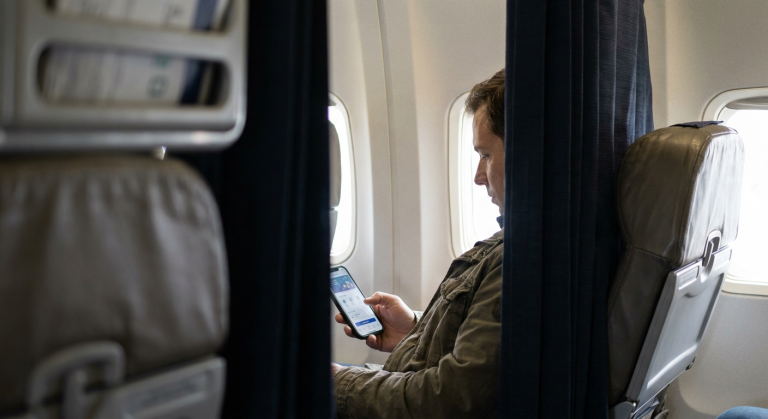
Customers with upcoming bookings face a confusing claims process. Those who booked directly with Spirit will receive automatic refunds to their original payment method. Passengers who used third-party booking platforms or travel agents must contact those providers directly. Travelers who paid with credit cards may also have additional dispute rights under the Fair Credit Billing Act.
The picture is less clear for customers who used Spirit vouchers, trip credits, or Free Spirit award points. The airline said compensation for those bookings would be determined through bankruptcy proceedings, leaving frequent flyers with uncertain status.
The U.S. Department of Transportation weighed in quickly, warning consumers that bankruptcy proceedings can affect what compensation travelers are entitled to receive. The DOT encouraged affected passengers to document everything and keep records of all communications with the airline.
Government Response and Rescue Fares
U.S. Transportation Secretary Sean Duffy said major carriers including United, Delta, JetBlue, and Southwest agreed to cap ticket prices for Spirit customers with valid confirmation numbers and proof of purchase. American Airlines and Delta committed to reduced fares on high-volume Spirit routes, while ultra-low-cost carrier Allegiant froze fares across overlapping routes. Frontier went further, offering a 50 percent base-fare reduction to affected travelers.
The Trump administration had considered taking a 90 percent equity stake in Spirit to prevent the collapse, but bondholders rejected the proposal, leaving government intervention off the table.
For travel agents and OTAs managing clients caught in the transition, the window to rebook at reasonable rates may be short. Competition among stranded passengers for remaining seats is driving prices up on popular routes, particularly for last-minute departures from major Spirit hubs including Fort Lauderdale, Las Vegas, and Orlando.
Lessons for Travel Merchants
The Spirit shutdown carries several takeaways for operators in the travel space. First, the airline’s rapid collapse shows how thin margins in ultra-low-cost models leave little buffer when macroeconomic pressures mount. Merchants who work with budget carriers should build contingency language into supplier agreements.
Second, payment protection matters more than ever. Travelers who paid with credit cards retain dispute rights, but debit card users and those who used gift cards may find themselves at the back of the bankruptcy queue. Travel merchants should proactively communicate refund options to affected customers, including guidance on chargeback workflows for cardholders.
Third, loyalty program participants face a stark reminder that miles and points are not guaranteed. Free Spirit members with unredeemed balances should monitor the bankruptcy proceedings closely and document their account values in case of future claims.
What Comes Next
Several questions remain open. Spirit’s route network served dozens of secondary markets where no adequate replacement exists, and competitors will likely pick up some of those routes, but not all. The DOT has indicated it will monitor the situation and potentially step in if stranded passengers need additional support.
For travel merchants and operators, the immediate priority is helping affected customers navigate rebooking and refund options while monitoring for secondary price spikes on popular routes. The Spirit closure is a structural shift for the domestic airline market, and its ripple effects will be felt for months.
For ongoing updates on airline disruptions and travel industry coverage, bookmark our airline news section.