United Polaris Gets a Basic Tier. What Travel Merchants Need to Know.
United Airlines has officially extended the tiered-fare model into its premium cabins, launching what it calls “Base” Polaris business class fares alongside similar segmentation for Premium Plus economy. The move, announced April 3, 2026, places United at the forefront of a structural shift that will reshape how premium cabin inventory is priced, packaged, and distributed across the travel ecosystem.
Starting this month in select markets, United will offer three fare tiers across Polaris and Premium Plus: Base, Standard, and Flexible. Base fares will include the lie-flat seat and meals but strip away complimentary advance seat selection, reduce checked bag allowances, and exclude access to the premium Polaris Lounge network. Standard fares restore seat selection and one free checked bag, while Flexible fares allow changes, refunds, and access to the carrier’s newest Polaris Studio suites.
Why This Matters for Travel Merchants and Operators
The business model logic is straightforward. Airlines have watched basic economy transform the front of the coach cabin over the past decade, turning restrictions into revenue levers while giving price-sensitive travelers a cheaper entry point. Applying that same segmentation to premium cabins accomplishes two things simultaneously: it expands the addressable market for high-revenue seats, and it creates measurable upsell pathways for ancillary spending.
For travel merchants, OTAs, and tour operators who sell United premium inventory through GDS or API channels, this change introduces new complexity in how fare classes are presented and compared. A “business class” ticket is no longer a single product. Differentiating between Base, Standard, and Flexible Polaris fares will require updates to front-end logic, fare rule parsing, and potentially packaging decisions where lounge access or baggage allowances are bundled into merchant offers.
The distribution implications extend further. United’s announcement comes just days after the carrier restructured its MileagePlus earning architecture around credit card ownership rather than ticket class. The combined signal is clear: United is systematically removing softness around cabin pricing while building new levers for ancillary revenue. Travel businesses that interface with United’s inventory through NDC-compliant channels will need to account for these fare class distinctions in their shopping and pricing workflows.
The Competitive Backdrop
United is not operating in isolation. Delta has publicly indicated it is exploring similar cabin segmentation, and industry analysts expect most major US carriers to have some version of basic premium fares available before the end of 2026. The broader trend reflects a recognition that premium cabin demand has proven resilient even as coach pricing has compressed, and carriers see an opportunity to capture more revenue from travelers who want a lie-flat seat without paying for a full-service business class experience.
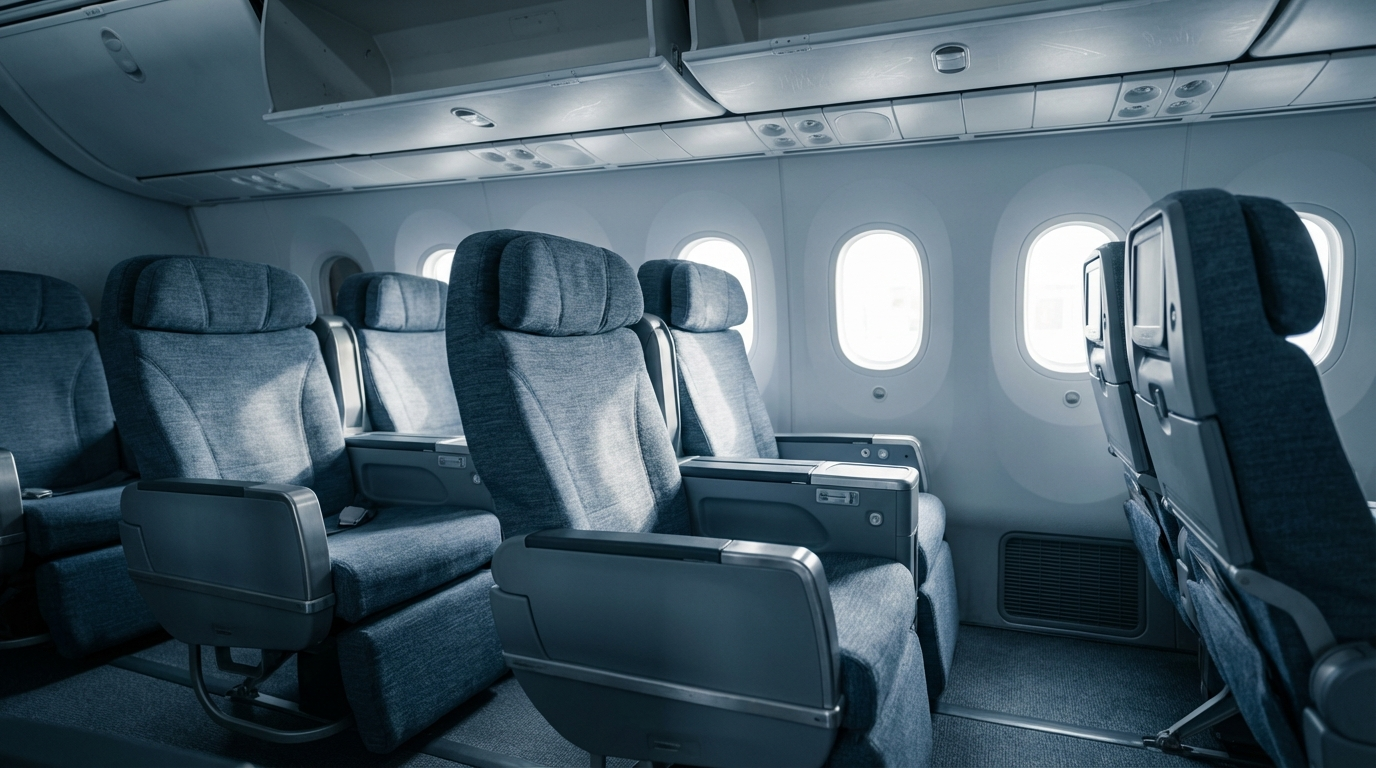
The timing is notable. United is simultaneously rolling out a refreshed Polaris cabin with sliding-door suites and larger monitors on its Boeing 787 fleet. The introduction of lower-cost base fares alongside a newly elevated flagship product gives the airline two distinct value propositions at different price points, a strategy designed to protect premium yields while expanding volume at the margin.
What Merchants Should Watch
Three practical considerations stand out for travel businesses navigating this shift.
First, monitor how the Base Polaris fare class is mapped in your distribution channel. GDS fare class codes for premium cabins predate this segmentation, and gaps between what the airline publishes and what appears in booking tools could create display or pricing errors if left unaddressed.
Second, assess whether your packaging and bundling logic treats premium cabin segments as interchangeable. If your product includes lounge access, upgrade eligibility, or guaranteed baggage allowances, Base fare restrictions may alter the customer experience relative to what your offering implied.
Third, track how competitors follow. Delta and American have both signaled interest in premium cabin segmentation. When rivals match United’s structure, the merchant landscape for premium travel will shift from a single product category into a multi-tier offering that requires more granular comparison logic across booking paths.
United’s Base Polaris fares represent more than a pricing tweak. They signal that the tiered-fare philosophy, which has reshaped economy cabins across the industry, is now reaching the front of the aircraft. Travel merchants who build their systems and content around the assumption of a single premium cabin product will need to adapt, while those who account for differentiated fare classes from the start will be better positioned to compete as this structure becomes industry standard.
This article is for informational purposes based on publicly available sources as of the publication date. Travel businesses should verify current United fare rules and distribution channel mappings directly with the carrier or their GDS provider.