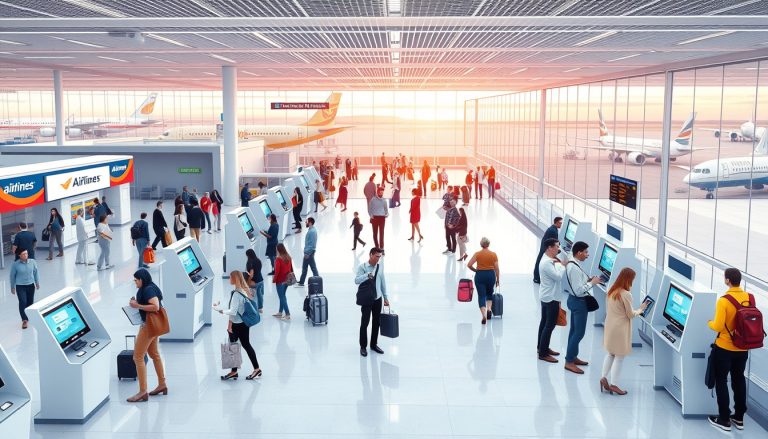
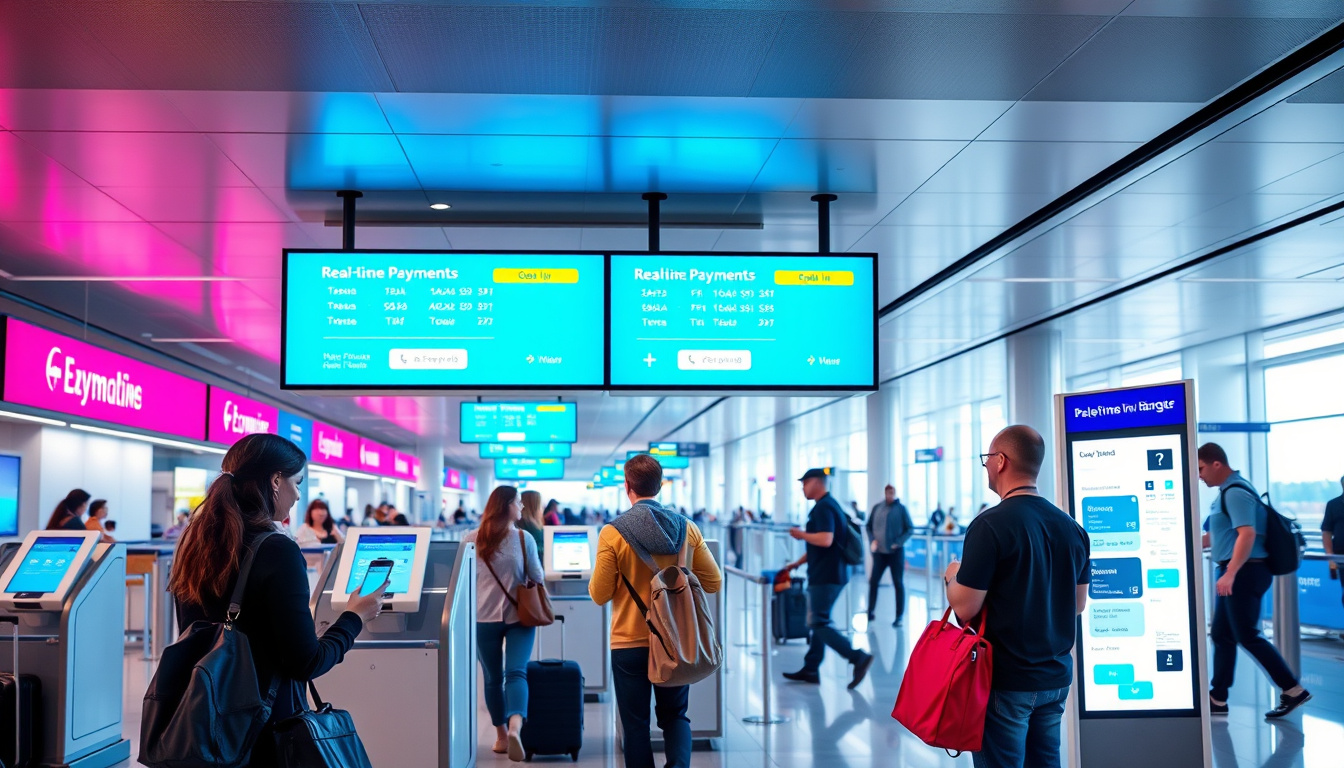
In a fast-paced digital age, consumer expectations are higher than ever. When it comes to booking flights, travelers desire not only efficiency but also seamless transaction experiences. This is where the concept of ‘Real-Time Payment Processing for Airlines Explained’ becomes essential. As the airline industry evolves, understanding how real-time payment processing works, its benefits, and the facilitating technologies empowers airlines to enhance customer satisfaction while improving operational efficacy. In this article, we will delve into what real-time payment processing entails, the myriad advantages it presents to airlines, the key technologies that make it possible, and the challenges and future perspectives of implementing such systems in this competitive landscape.
Nxt Travel – The aviation merchant specialists.

Key Takeaways
- Real-time payment processing enhances transaction speed and reliability for airline customers.
- The primary benefits include improved cash flow, reduced fraud risk, and enhanced customer satisfaction.
- Key technologies driving real-time payments include blockchain, APIs, and machine learning algorithms.
- Airlines face challenges such as integration with existing systems and ensuring regulatory compliance.
- The future of real-time payment systems in the airline industry promises continued innovation and increased adoption.
What is Real-Time Payment Processing?
Real-Time Payment Processing for Airlines Explained is a game-changer in the aviation industry, providing a seamless experience for both airlines and passengers. Unlike traditional payment methods that can delay transactions, real-time payment processing allows airlines to receive instant payment confirmations, enhancing customer satisfaction and improving operational efficiency. This system uses advanced technology to facilitate immediate fund transfers as soon as a customer completes a purchase, whether it’s for a flight ticket, additional baggage, or in-flight services. By minimizing transaction times, airlines can streamline their booking processes, reduce cancellations, and ultimately boost revenue. Understanding the ins and outs of real-time payment processing not only empowers airlines to serve their customers better but also positions them to compete effectively in a fast-paced market.
Benefits of Real-Time Payment Processing for Airlines
The advent of technology has revolutionized the travel industry, with one of the most significant advancements being Real-Time Payment Processing for Airlines Explained. This innovative system offers a multitude of benefits that streamline operations and enhance customer satisfaction. Firstly, real-time payment processing allows airlines to instantly confirm payments, which reduces the chances of fraud and chargebacks, ultimately protecting revenue. Passengers are increasingly expecting seamless transactions, and this technology meets that demand by enabling quicker booking confirmations and enabling instant access to boarding passes. Moreover, it improves cash flow for airlines, as funds are transferred immediately rather than delayed by traditional processing methods. This clarity in financial transactions also aids airlines in planning and managing their budgets more effectively. Overall, implementing real-time payment processing not only enhances operational efficiency but also significantly improves the travel experience for customers, making it a crucial step for airlines looking to thrive in today’s competitive market.
‘The future of money is digital currency.’ – Bill Gates
Nxt Travel – The aviation merchant specialists.

Key Technologies Powering Real-Time Payments
In today’s fast-paced digital economy, the demand for real-time payment processing for airlines is more critical than ever. Key technologies driving this transformation include blockchain, which ensures secure and transparent transactions, and mobile payment solutions that provide customers with the convenience of making instant payments through their smartphones. Additionally, cloud computing offers scalability and flexibility, enabling airlines to accommodate fluctuating transaction volumes without compromising performance. AI and machine learning capabilities further enhance this system by predicting customer behavior and improving fraud detection. By integrating these technologies, airlines can not only streamline operations but also deliver enhanced customer experiences, making real-time payment processing a vital element in the modern travel landscape.
Challenges and Future of Real-Time Payment Systems in the Airline Industry
The airline industry has seen a transformative change with the introduction of real-time payment processing for airlines explained in detail. Despite the numerous advantages, such as increased customer satisfaction and improved cash flow, there are significant challenges that airlines must overcome. One major hurdle is the integration of existing systems with the new real-time payment technologies, which often requires substantial investment. Additionally, ensuring compliance with financial regulations across different countries can further complicate implementation. Furthermore, the security of transactions remains a critical concern as the rise in cyber threats necessitates robust protective measures. Looking to the future, the adoption of blockchain technology and artificial intelligence could revolutionize real-time payment processing in this sector, paving the way for enhanced transparency and efficiency. However, successful implementation will depend on collaboration among industry stakeholders and consumers’ readiness to embrace these innovations.