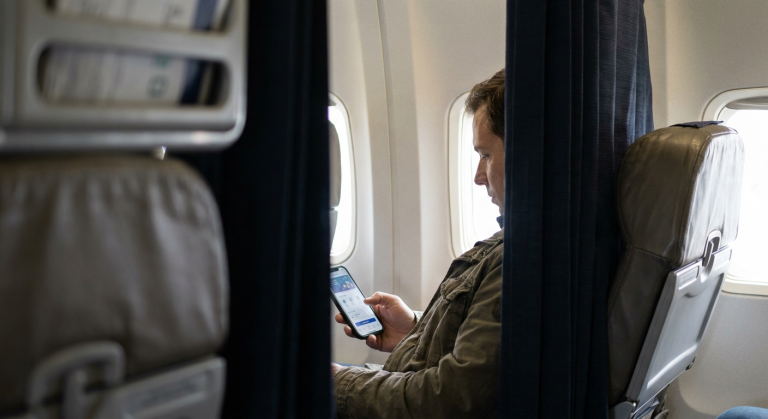
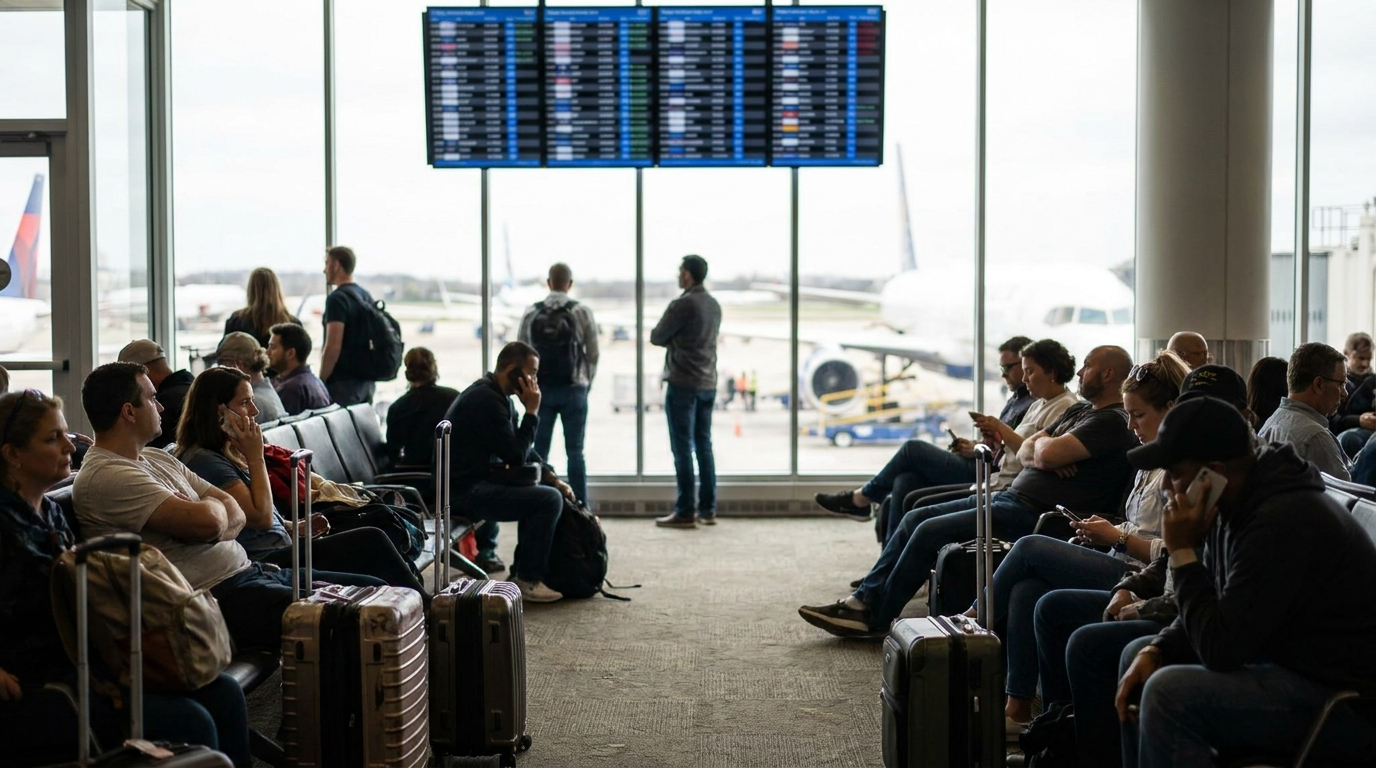
U.S. Airlines are entering the Fourth of July travel period with a deliberate strategy: fewer seats, higher prices. Domestic capacity has shrunk 2% and international capacity 2.1%, according to aviation intelligence firm IBA. Low-cost carriers are cutting deepest, with ultra-low-cost operators reducing domestic capacity by 9.1% compared to full-service carriers at just 2%. The numbers paint a clear picture for travel merchants and operators: supply is tightening at the exact moment demand peaks.
What the Capacity Cuts Mean for Fares
The math behind the squeeze is straightforward. When airlines reduce available seats on popular routes, scarcity drives up ticket prices. This is not accidental. Carriers are managing capacity deliberately after years of competing on price alone, often at the expense of profitability. Spirit Airlines’ collapse sent a clear signal to the industry that volume without margin is not a viable business model.
JetBlue has already announced cuts at Newark and LaGuardia while expanding in Fort Lauderdale. That kind of route reallocation tells you where individual carriers see opportunity. For travel merchants selling air travel packages, this shift means inventory on certain corridors is becoming more expensive and harder to source at competitive rates.
The Loyalty Engine Running Beneath the Surface
While airlines cut capacity, the loyalty infrastructure supporting travel payments and rewards is growing more sophisticated. Hopper Technology Solutions, which powers loyalty and fintech programs for Air Canada, Virgin Australia, Frontier, Tripadvisor, Capital One, and dozens of other brands, processed a meaningful portion of travel reward transactions globally in 2025 and 2026. The company reported strong adoption metrics, with 15% of hotel bookers on Tripadvisor purchasing an HTS fintech product and rewards users converting at three times the previous rate.
This matters for travel merchants because loyalty programs are increasingly the reason customers choose one booking channel over another. When a traveler can redeem points for a flight or hotel and still earn rewards on the booking, the decision framework shifts. Merchants who understand how to integrate loyalty redemptions and co-branded payment options into their offering have a structural advantage over those who simply sell at the lowest price.
Payment Choice as a Conversion Factor
Research from multiple sources indicates that roughly 60% of travelers will abandon a booking if their preferred payment method is not available. For online travel agencies and direct booking platforms, this is a direct revenue risk. The EU Instant Payments Regulation is also pushing euro-denominated travel transactions toward real-time settlement, which changes cash flow dynamics for suppliers and agencies operating across Atlantic routes.
Travel merchants who have not optimized their payment stack for flexibility, including wallet options, buy-now-pay-later for package travel, and loyalty point integration, are leaving conversions on the table. The capacity constraint period ahead makes this even more expensive: when seats are scarce, the traveler who cannot pay how they want simply goes to the competitor who accepts their method.
For Operators and Merchants
The near-term playbook for travel merchants is fairly direct. First, review your payment processing and booking flow to ensure you are not losing customers at the final step due to unavailable payment methods. Second, look at your loyalty positioning: are you offering your customers a reason to come back, or are you purely competing on price in a market where supply is being deliberately constrained? Third, monitor airline capacity announcements through the July 4 period, as route changes and frequency adjustments happen on short notice and can affect package pricing quickly.
The airlines are sending a message. They are done chasing volume at any cost. Travel merchants who align their commercial strategy with that reality will be better positioned than those expecting a return to pre-2025 pricing dynamics.