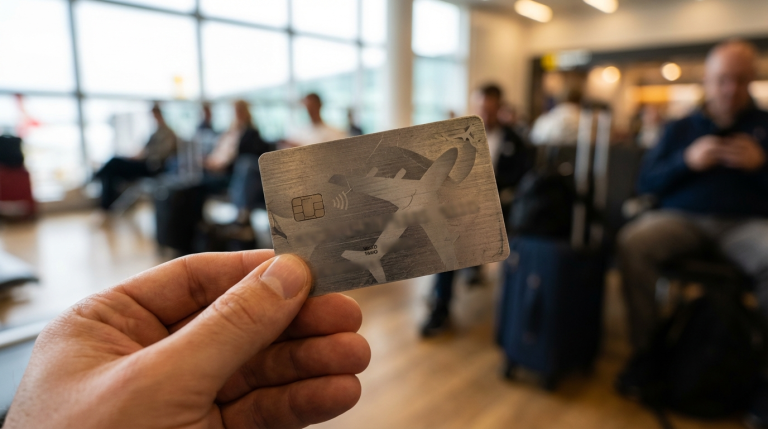

The aviation industry stands at the forefront of technological innovation, and one of the newest advancements reshaping the sector is the rise of Request-to-Pay (RTP) solutions. As airlines and travelers alike seek more efficient transaction methods, understanding the rise of Request-to-Pay in aviation becomes increasingly crucial. This article will delve into the concept and mechanisms of RTP, explore its significant impact on the aviation industry, highlight key case studies of airlines successfully implementing this solution, and examine future trends that suggest the ongoing evolution of payment systems in this dynamic sector. With the rise of Request-to-Pay in aviation, the landscape of aviation finance is poised for tremendous change, promising enhanced convenience and security for passengers and airlines alike.
Nxt Travel – The aviation merchant specialists.

Key Takeaways
- Request-to-Pay is revolutionizing payment processes in the aviation industry.
- This innovative payment method enhances customer convenience and reduces the risk of fraud.
- Several airlines are successfully implementing Request-to-Pay solutions to streamline their financial transactions.
- The adoption of Request-to-Pay is expected to grow as the aviation sector embraces digital transformation.
- Future trends indicate a shift towards more integrated and efficient payment systems in aviation.
Understanding Request-to-Pay: Concept and Mechanisms
The rise of Request-to-Pay in aviation marks a significant evolution in how transactions are processed within the industry. Request-to-Pay is a payment method that enhances efficiency and transparency, allowing airlines, travel agencies, and customers to initiate and complete transactions with greater ease. This mechanism works by allowing businesses to send payment requests to customers, who can then approve and fulfill these requests directly through their banking apps or payment platforms. As the aviation sector increasingly embraces digital transformation, the ability to manage payments in real-time presents substantial benefits, such as reducing payment delays and improving cash flow. Moreover, it fosters a more engaging customer experience, ensuring travelers receive timely and accurate payment requests for their bookings and ancillary services. Understanding the Request-to-Pay concept is crucial for industry stakeholders looking to leverage technology to streamline operations and enhance financial transactions in aviation.
The Impact of Request-to-Pay on the Aviation Industry
The Rise of Request-to-Pay in Aviation has dramatically transformed how airlines, airports, and customers interact when it comes to financial transactions. This innovative payment method allows service providers in the aviation sector to send payment requests directly to passengers, streamlining the purchasing process. The system enables customers to view and approve payments with just a click, eliminating lengthy checkout procedures often associated with traditional payment methods. For airlines, implementing Request-to-Pay not only hastens the payment collection process but also reduces the likelihood of errors and fraud, leading to improved cash flow and operational efficiency. Moreover, passengers benefit from enhanced transparency and control over their payments, making the entire travel experience more convenient. As the aviation industry continues to evolve amid technological advancements, the rise of Request-to-Pay stands as a testament to how digital solutions are shaping the future of air travel.
‘Innovation distinguishes between a leader and a follower.’ – Steve Jobs
Nxt Travel – The aviation merchant specialists.

Case Studies: Airlines Implementing Request-to-Pay Solutions
In recent years, the aviation industry has witnessed a significant transformation with the rise of request-to-pay solutions, fundamentally changing the way airlines manage their payments and interact with customers. Case studies from leading airlines illustrate the effectiveness of these innovative payment methods. For instance, a prominent low-cost carrier implemented a request-to-pay system that streamlined its boarding pass purchase process by sending secure payment requests directly to passengers’ mobile devices. This not only improved customer experience by reducing wait times but also enhanced operational efficiency by lowering transaction costs. Furthermore, a major airline group adopted a request-to-pay framework to handle ancillary services such as baggage fees and in-flight purchases, resulting in a notable increase in revenue and customer satisfaction scores. These examples highlight how the rise of request-to-pay in aviation not only fosters greater financial transparency but also empowers airlines to build stronger relationships with their customers.
Future Trends: The Evolution of Payment Systems in Aviation
As the aviation industry continues to innovate and adapt to the fast-paced digital landscape, the rise of request-to-pay in aviation is a significant trend poised to reshape how financial transactions are conducted within the sector. This emerging payment method not only enhances the passenger experience by simplifying payment processes—allowing customers to receive payment requests directly from service providers—but also bolsters operational efficiency for airlines and airport operators. Furthermore, as contactless and mobile payment solutions gain traction, request-to-pay systems integrate seamlessly with existing technologies, paving the way for a more streamlined and user-friendly experience. As we look ahead, the adoption of this payment modality, paired with advanced data analytics and customer insights, is expected to play a crucial role in enhancing revenue management strategies, thus positioning airlines to better meet the evolving expectations of tech-savvy travelers.