What the Dubai Airport Shutdown Means for Travel Merchants
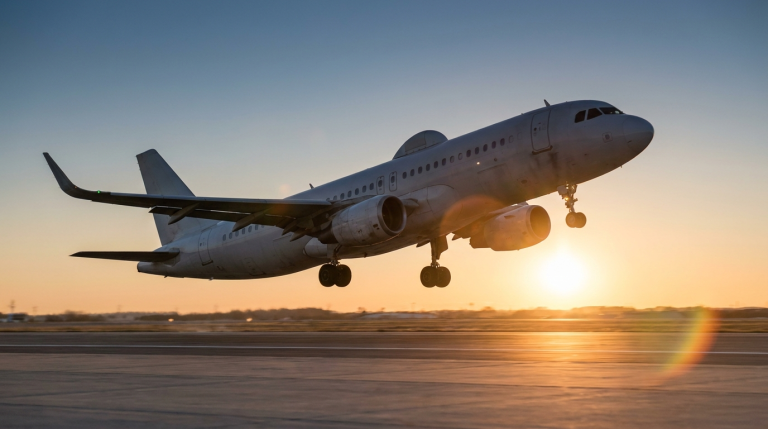
Dubai International Airport, the world’s busiest international travel hub, suspended all operations on Saturday after Iranian missiles struck the facility during overnight retaliation for U.S. And Israeli strikes on Tehran. The closure ripples far beyond the Gulf region, stranding hundreds of thousands of passengers and forcing airlines worldwide to reroute or cancel services.
The Scale of Disruption
Dubai handles more than 1,000 flights daily. When it goes dark, the impact is immediate and global. Qatar’s Doha hub also closed, as did Abu Dhabi and Kuwait international airports. Airspace over Iran, Iraq, Kuwait, Israel and Bahrain emptied virtually overnight.
According to preliminary data from Cirium, airlines cancelled approximately 24% of all flights to the Middle East on Saturday. About half of scheduled services to Qatar and Israel were grounded, along with 28% of flights to Kuwait.
“The scale of these hubs today is just so enormous. You will have hundreds of thousands of people being stuck in wrong parts of the world without any certainty as to when they can move,” said UK-based aviation analyst John Strickland in recent coverage.
Operational Reality for Merchants
For travel merchants, this is not just a news story. It is an operational crisis with immediate financial consequences.
Payment exposure is significant. When mass cancellations hit, merchants face a wave of refund requests. Credit card chargebacks spike. Cash flow tightens. For smaller agencies and booking platforms, the working capital strain can be severe.
Rebooking complexity multiplies. With major east-west hubs offline, alternate routings through Europe or Asia are congested. Passengers who booked complex itineraries through Dubai or Doha now need entirely new plans. Each change requires manual intervention, staff time, and often merchant-funded goodwill gestures to retain customer relationships.
Insurance claims will pile up. Travel insurance providers are bracing for a surge in claims. Merchants who sold policies face increased scrutiny of their disclosure practices and claim handling procedures.
Airspace Could Remain Closed
Aviation security advisors warn that the shutdown may persist. “Passengers and airlines can expect airspace to be shut for quite some time,” said Eric Schouten, head of aviation security advisory Dyami.
The European Union’s aviation regulator EASA recommended on Saturday that European airlines avoid Middle Eastern airspace entirely while military operations continue.
This is not the first time geopolitical conflict has disrupted global aviation. The Russia-Ukraine war forced airlines to avoid both countries’ airspace, rerouting flights south and adding significant fuel costs. The Middle East situation compounds those pressures. Lengthened routes burn more fuel. Extended flight times reduce aircraft use. Margins compress.
Merchant Action Items
Travel merchants should consider immediate steps:
- Communicate proactively. Contact affected customers before they contact you. Even a brief message acknowledging the situation builds trust.
- Review cancellation policies. Consider waiving change fees for itineraries through affected hubs. The short-term revenue loss beats the long-term reputational damage.
- Monitor chargeback exposure. Card networks have specific rules for force majeure events. Document everything.
- Assess supplier commitments. Hotels, tours, and ground transport in Dubai and Doha face their own cash crunches. Renegotiate where possible.
The Bigger Picture
The Middle East hub model transformed global aviation. Emirates, Qatar Airways, and Etihad built businesses funneling traffic between Europe and Asia through the Gulf. Their success forced legacy carriers to compete on price and service.
That model depends on stable airspace and predictable operations. When missiles fly over Dubai International, the entire system wobbles.
For travel merchants, this is a reminder that geopolitical risk is operational risk. The businesses that weather these shocks best are those that build flexibility into their products, their supplier relationships, and their customer communication strategies.
The airport will reopen. Flights will resume. But the merchants who handled this crisis well will retain customers long after the headlines fade.