
United Airlines is tightening the link between its loyalty currency and its co-branded payment products. Starting April 2, 2026, the carrier will overhaul how MileagePlus members earn miles on flights. The changes create a two-tier system that heavily favors cardholders and raises the stakes for airline merchant operators who rely on loyalty-driven booking behavior.
The New Earning Structure
Under the revised program, general MileagePlus members without a United co-branded credit or debit card will see their earning rate drop from five miles per dollar spent to just three miles per dollar. More significantly, travelers on basic economy fares who do not hold a United card will earn zero miles beginning April 2.
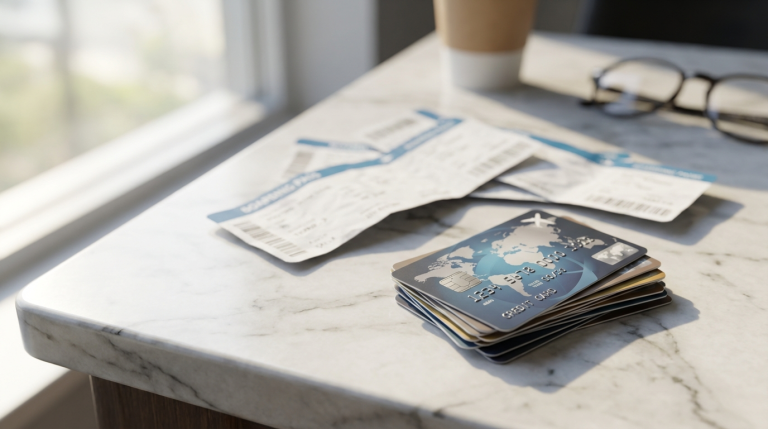
Cardholders, by contrast, will earn six miles per dollar on ticket purchases. Elite status members can stack additional bonuses on top of that base rate. The message is unambiguous: United is prioritizing customers who carry its financial products.
“The most rewarding way to fly United is as a MileagePlus member, and the best way to get the most value from the MileagePlus program is to have one of our credit or debit cards,” said Andrew Nocella, United’s chief commercial officer, in a statement reported by Travel Radar. “MileagePlus is designed to reward loyalty to United, and our best customers deserve the best benefits in the industry.”
Cardholder Perks Expand Beyond Earning
Beyond accelerated mileage accumulation, United cardholders will receive a minimum 10 percent discount when booking award travel using miles or points. United plans to display these discounted prices prominently during the booking process, making the cardholder advantage visible at the point of sale.
The carrier is betting that transparent pricing advantages will drive card acquisition. For merchants and OTA partners, this creates a new variable in the booking funnel. Customers comparing prices across platforms will now factor in cardholder-exclusive rates that may not appear on third-party sites.
Strategic Implications for the Sector
United’s move reflects a broader industry trend: airlines are treating loyalty programs less as loss-leading perks and more as integrated financial ecosystems. The model shifts value from the flight experience itself to the payment and booking infrastructure surrounding it.
For travel merchants, this has several operational implications:
- Conversion rate pressure: OTA and metasearch platforms may see reduced conversion on United itineraries if customers perceive superior value by booking direct with a co-branded card.
- Payment mix shifts: Merchants should expect more transactions on Chase-issued United cards, which could affect interchange cost calculations and fraud risk profiles.
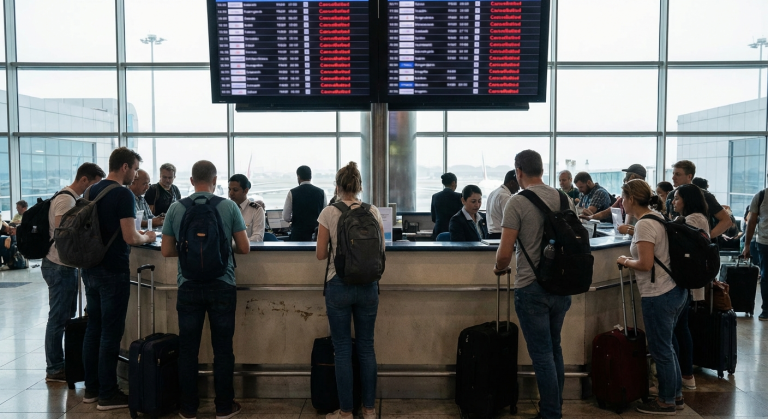
- Basic economy margins: Zero-mileage earning on discount fares without cards may push price-sensitive travelers toward competing carriers or toward upgrading out of basic economy entirely.
What Merchants Should Watch
The April 2 implementation date gives operators roughly five weeks to adjust messaging and booking flows. Key considerations include:
Transparent disclosure: Partners displaying United fares should clarify that mileage earning varies by payment method and fare class. Failure to do so may trigger customer service complaints or chargeback disputes.
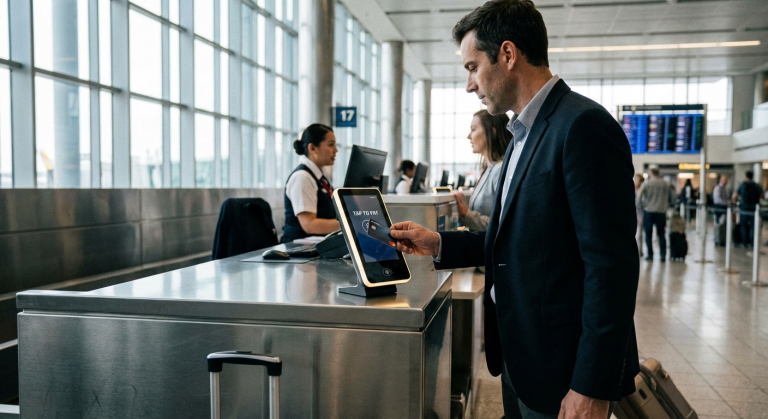
Payment routing: Merchants using dynamic currency conversion or alternative payment methods should evaluate whether these options align with United’s cardholder-centric strategy. Customers seeking maximum miles may abandon carts if their preferred payment method does not qualify.
Loyalty program competition: Delta, American, and other network carriers are likely monitoring United’s results closely. If the MileagePlus changes drive measurable card acquisition without significant traffic loss, expect similar restructuring across the industry.
The Bottom Line
United’s MileagePlus overhaul is a data point in a larger narrative: airline loyalty is becoming inseparable from airline payments. For merchants, this means the competitive landscape now includes not just price and schedule, but the financial products customers carry in their wallets. The carriers with the most successful co-brand programs may increasingly dictate booking behavior, and merchant operators who fail to account for these incentives risk disintermediation.
The travel sector’s loyalty wars are evolving from points accrual into financial services competition. April 2 will provide an early indicator of whether travelers accept the trade-off, or whether the friction drives them toward carriers with simpler, more inclusive earning structures.