United Airlines Redefines Loyalty: The Credit Card-First MileagePlus Overhaul
United Airlines has announced the most significant transformation of its MileagePlus loyalty program in more than a decade. The changes, effective April 2, 2026, fundamentally restructure how members earn and redeem miles by tying virtually every benefit to co-branded credit card ownership. For merchant operators and travel industry stakeholders, the move signals a broader industry pivot toward credit card revenue as the primary profit engine.
The New Math: Credit Card Holders Win, Non-Cardholders Lose
Under the restructured program, United MileagePlus members without a co-branded Chase credit card will see their earning rates drop from five miles per dollar spent to just three miles per dollar on standard fares. Meanwhile, primary cardholders will earn six miles per dollar on base fares, with additional bonuses when they use their United card to purchase tickets.
The earning gap widens further for elite status members. A Premier 1K member with a co-branded card could earn up to 17 miles per dollar when paying with their United Club Card, compared to just 12 miles per dollar when using a different payment method.
“The most rewarding way to fly United is as a MileagePlus member, and the best way to get the most value from the MileagePlus program is to have one of our credit or debit cards,” said Andrew Nocella, United Chief Commercial Officer, in a statement to CNBC.
Redemption Discounts and Restricted Access
The overhaul extends beyond earning rates to redemption economics. Primary cardholders will receive automatic discounts of at least 10% on award tickets, with Premier elites who carry co-branded cards eligible for discounts of 15% or more. United is setting aside specific inventory of discounted award seats exclusively for cardholders, including premium Polaris business-class redemptions.
For example, an economy-class award ticket priced at 15,000 miles for non-cardholders could cost just 13,500 miles for cardholders. The airline plans to display these discounted rates prominently on its website, making the value proposition visible during the booking process.
Additional restrictions apply to Basic Economy fares. Non-elite members without United credit cards will no longer earn miles on these deeply discounted tickets starting April 2, further segmenting the customer base between cardholders and non-cardholders.
The Revenue Reality Behind the Changes
United’s loyalty program transformation reflects a fundamental economic reality of the modern airline industry. Major U.S. Carriers now generate substantial portions of their profits from co-branded credit card partnerships rather than passenger operations alone. Delta Air Lines reported $8.2 billion in loyalty revenue last year, an 11% increase driven primarily by its American Express partnership.
Industry analysts estimate that U.S. Companies will issue or redeem approximately $26 billion in loyalty points this year. The credit card swipe fees that fund these programs, typically ranging from 2% to 3.5% per transaction, have become essential revenue streams that subsidize base fares and operations.
“In the credit card space in general, a lot’s changed over the last five to 10 years in terms of the number of travel credit cards that are out there,” Nocella told CNBC. “What I’m thinking about as we make these changes for United is to make sure that if you hold the credit card, you put it top of wallet.”
Regulatory Headwinds on the Horizon
The MileagePlus overhaul arrives at a moment of significant legislative uncertainty. The reintroduced Credit Card Competition Act would force issuers to include two unaffiliated payment networks on each card, allowing merchants to route transactions through lower-fee networks at the point of sale. Meanwhile, an Illinois state law banning swipe fees on taxes and tips was upheld by a federal judge last week, potentially opening the door to higher card fees and reduced rewards.
Brian Kelly, founder of The Points Guy, described the situation to Fortune as “an existential crisis happening around the rewards and credit card space.” If retailers can choose lower-cost payment networks, the economics that sustain current loyalty rewards could face significant pressure.
Strategic Implications for Travel Merchants
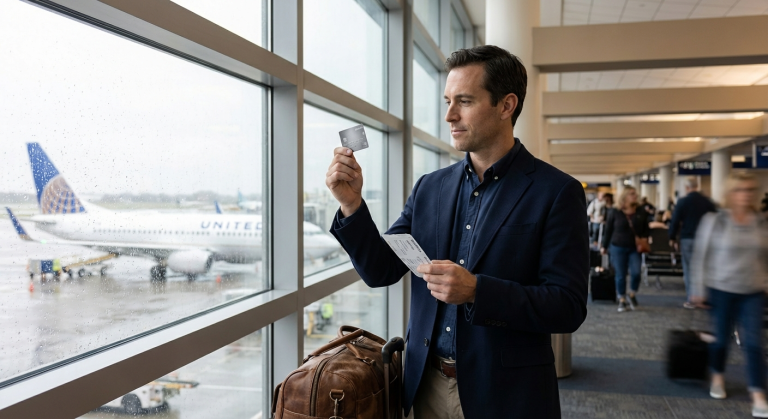
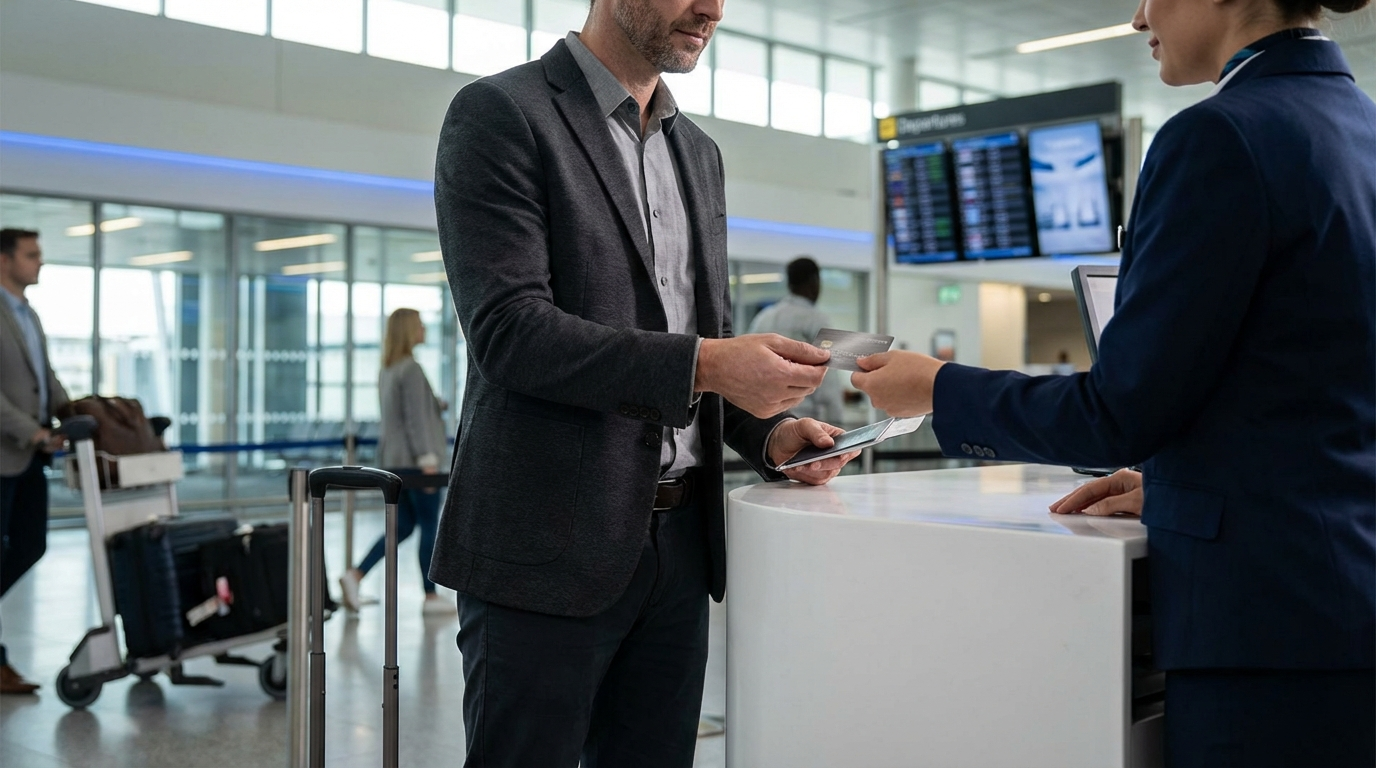
For travel merchants and operators, United’s credit card-first strategy offers several lessons. The carrier is explicitly attempting to move its cards to “top of wallet” status, ensuring that United co-branded cards become the default payment method for travel purchases. This approach maximizes interchange fee revenue while building deeper customer lock-in through accumulated points balances.
The tiered earning and redemption structure also creates clearer value differentiation. By making the benefits of card ownership visible at every touchpoint from earning to redemption, United is addressing a common loyalty program challenge: demonstrating tangible value to justify annual fees.
Whether competitors follow United’s aggressive approach remains to be seen. As The Points Guy noted, airlines frequently emulate one another’s policy changes. American Airlines and Delta may face pressure to similarly restructure their programs if United’s card acquisition rates improve significantly.
Bottom Line
United’s MileagePlus overhaul is a decisive bet on credit card revenue as the future of airline profitability. By creating substantial earning and redemption gaps between cardholders and non-cardholders, the airline is making a clear value proposition: join the credit card ecosystem or accept significantly diminished loyalty benefits. For travelers, the message is equally direct. The days of earning meaningful miles without a co-branded card are ending.
Changes take effect April 2, 2026. United credit card holders can view personalized earning calculators and award discounts through their MileagePlus accounts.