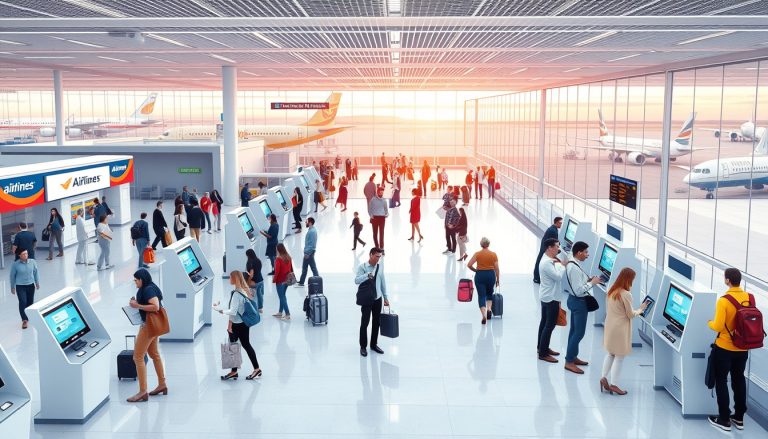
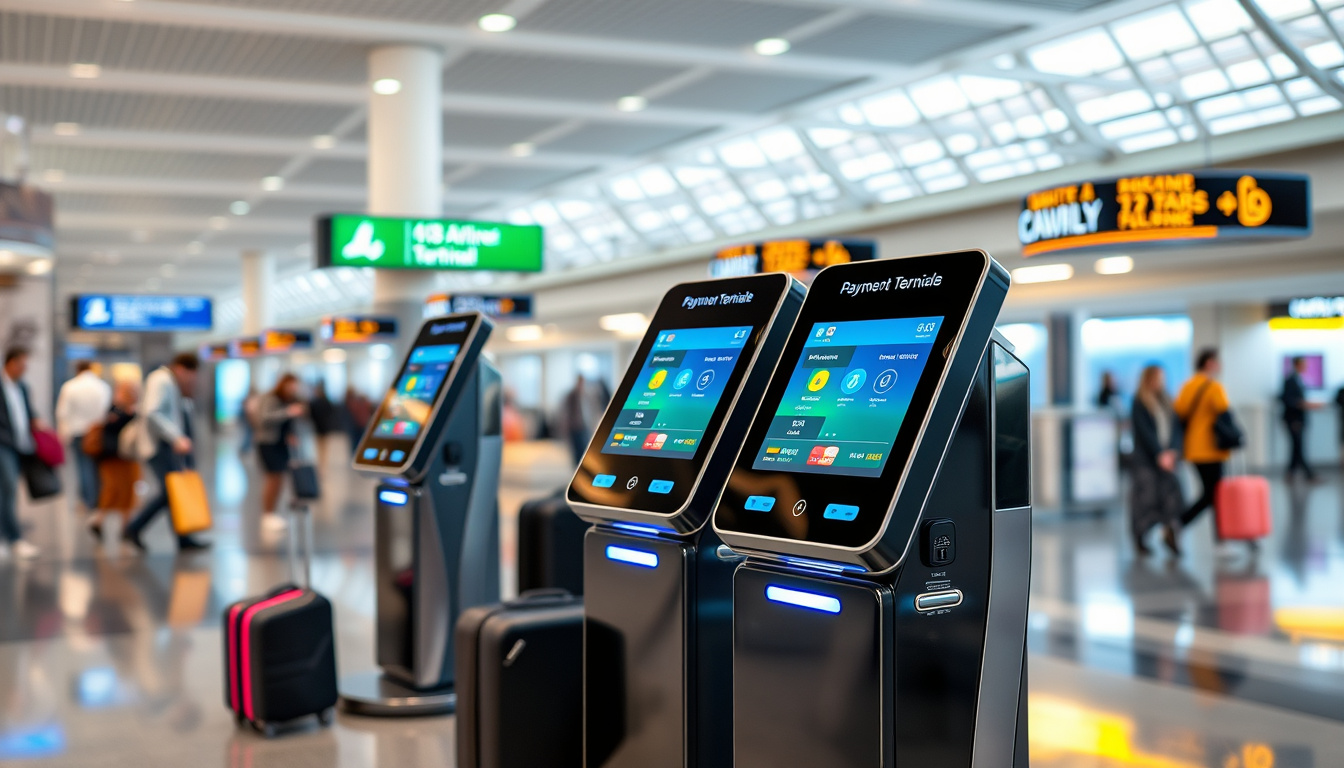
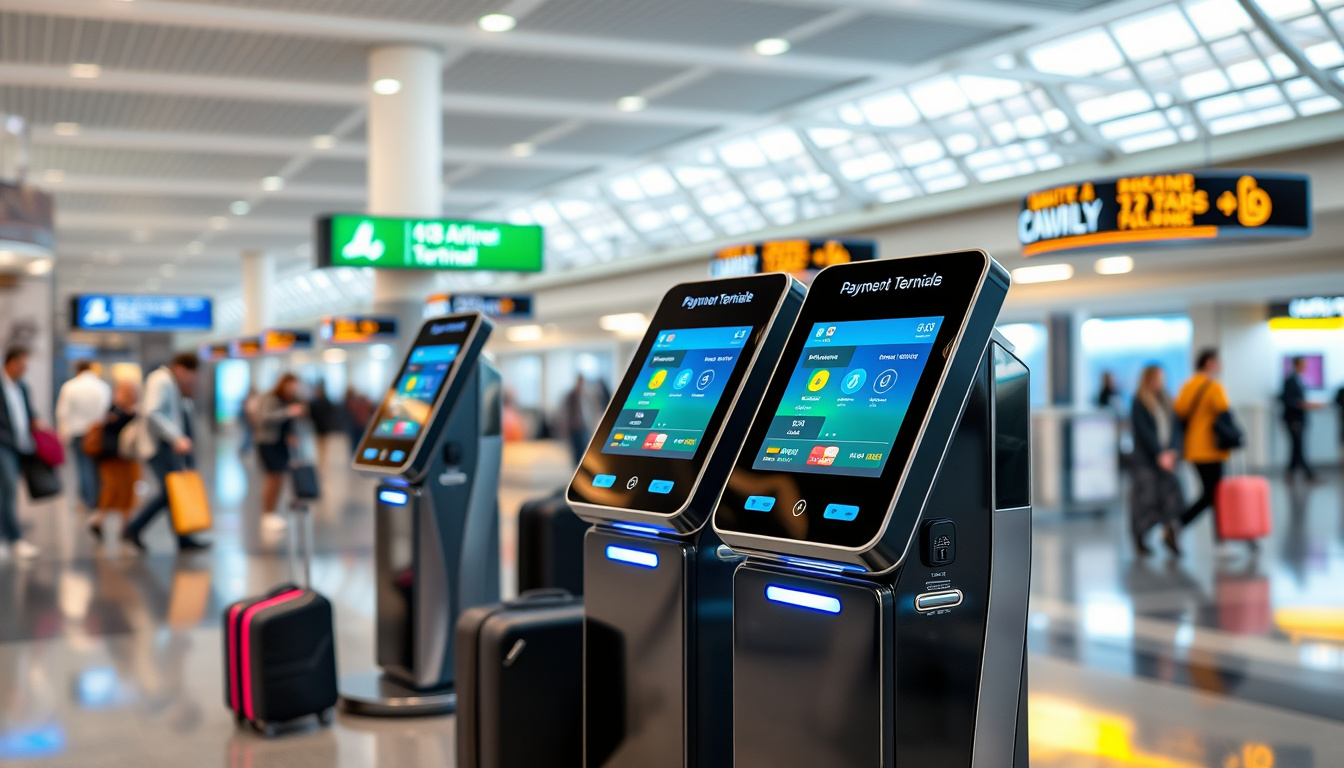
As the airline industry continues to evolve, one of the most crucial aspects that stands out is the evolution of payment systems. In this fast-paced era where convenience and efficiency are paramount, understanding the future of airline payment terminals becomes essential for both airlines and travelers. With emerging technologies driving innovation, airlines are positioned to enhance their payment solutions, paving the way for smoother transactions and enriched customer experiences. In this article, we will explore the latest advancements in payment technologies, the advantages they bring to both operators and passengers, the challenges that need to be overcome for successful implementation, and the vital role of security in shaping the future of airline payment terminals.
Nxt Travel – The aviation merchant specialists.
Key Takeaways
- Emerging technologies are set to revolutionize airline payment terminals.
- Modern payment solutions improve efficiency for both airlines and passengers.
- Implementing new payment terminals presents several logistical challenges.
- Enhanced security measures are critical for the future of airline payment systems.
- The evolution of payment technologies will greatly influence the passenger experience.
Emerging Technologies in Airline Payment Systems
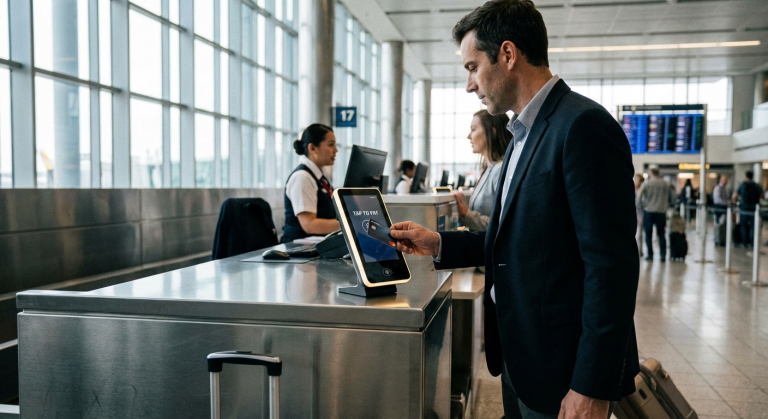
As the airline industry continues to evolve, the future of airline payment terminals is becoming increasingly intertwined with emerging technologies. Innovations such as mobile payment solutions, biometric authentication, and blockchain are set to revolutionize the way transactions occur within airports and on board flights. Mobile wallets like Apple Pay and Google Pay are enhancing customer convenience, allowing passengers to complete purchases seamlessly with just a tap of their smartphones. Meanwhile, biometric systems—using facial recognition or fingerprint scanning—are being tested to streamline the check-in process while improving security and reducing wait times. Additionally, the adoption of blockchain technology is paving the way for a more transparent and secure payment processing environment, minimizing fraud and facilitating international transactions. As these advancements gain traction, they promise not only to enhance customer satisfaction but also to drive operational efficiency for airlines, marking a significant leap forward in the future of airline payment terminals.
Benefits of Modern Payment Solutions for Airlines and Passengers
In today’s fast-paced travel industry, the future of airline payment terminals is undergoing a significant transformation, bringing numerous benefits to both airlines and passengers alike. Modern payment solutions are characterized by their ability to enhance transaction efficiency, provide secure payments, and improve the overall passenger experience. For airlines, these innovative terminals streamline operations, reducing the time spent on processing transactions and minimizing human error. Moreover, they can be integrated with various payment options including contactless payments, mobile wallets, and cryptocurrencies, catering to the diverse preferences of today’s travelers. Passengers benefit from faster, more convenient payment experiences, enabling them to quickly finalize bookings and purchases without the frustration of outdated systems. Additionally, enhanced security features help protect customer data, fostering greater trust and satisfaction. As airlines continue to adapt to the evolving landscape of technology, embracing modern payment solutions not only simplifies processes but also plays a pivotal role in shaping the future of airline payment terminals.
‘The future belongs to those who believe in the beauty of their dreams.’ – Eleanor Roosevelt.
Nxt Travel – The aviation merchant specialists.
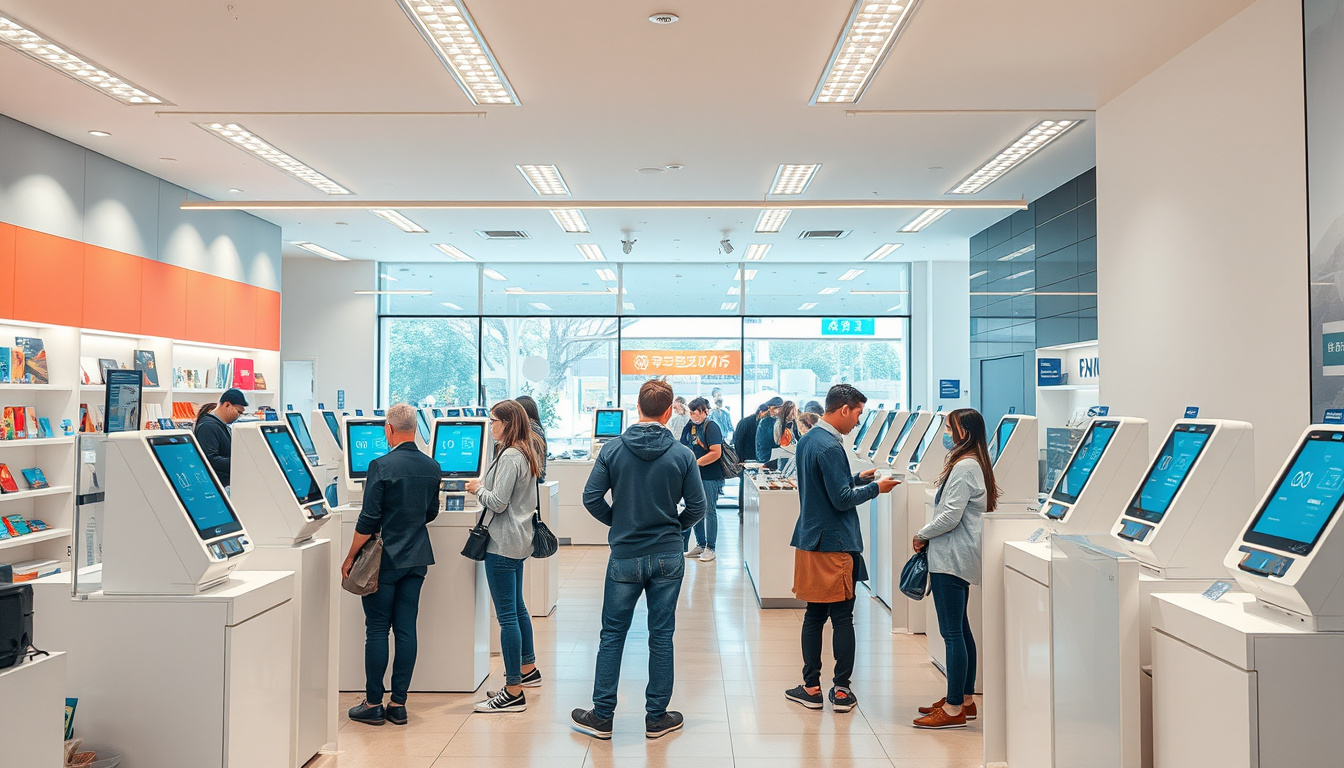
Challenges in Implementing New Payment Terminals
As airlines navigate the evolving landscape of commerce, the future of airline payment terminals presents both opportunities and challenges. One of the primary challenges in implementing new payment terminals lies in integrating cutting-edge technology with existing systems. Many airlines still rely on outdated models that are not compatible with the latest payment solutions like contactless payments or mobile wallets. Additionally, ensuring data security remains a top priority; with cyber threats on the rise, safeguarding customer information becomes paramount. Furthermore, airlines must consider the user experience; the terminals should facilitate fast and seamless transactions to minimize queues and enhance passenger satisfaction. As the industry progresses, overcoming these challenges will be essential for airlines aiming to modernize their payment infrastructure and embrace the future of airline payment terminals.
The Role of Security in Future Payment Systems
As technology continues to evolve, the future of airline payment terminals is set to become more secure and streamlined, addressing the growing concerns surrounding fraud and data breaches. Airlines are increasingly adopting more sophisticated payment systems that not only enhance customer convenience but also prioritize security measures. Integrated biometric authentication, such as fingerprint or facial recognition, is expected to become a norm, ensuring that only authorized users can complete transactions. Additionally, the incorporation of blockchain technology may provide a decentralized method of processing payments, creating a transparent and tamper-proof transaction history. By investing in robust security protocols and cutting-edge technology, airlines are not only safeguarding financial transactions but also fostering customer trust, making secure payment systems a pivotal element in the evolution of airline payment terminals.