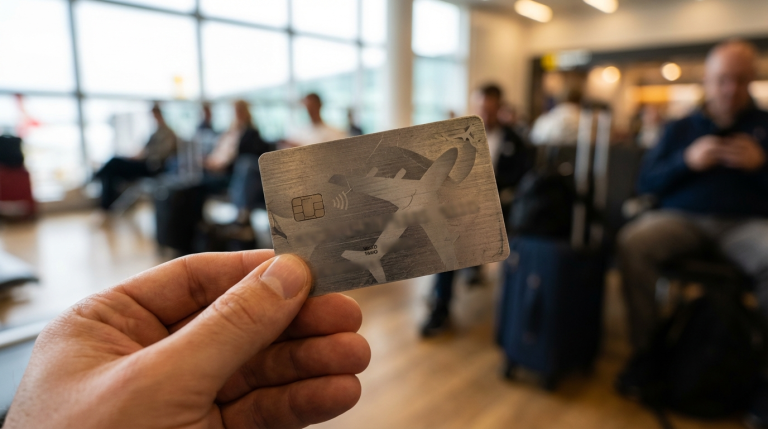

In recent years, the airline industry has witnessed a significant evolution in loyalty programs, with many carriers transitioning to innovative subscription models. This shift has brought forth a new era of customer engagement and retention, addressing the changing needs of travelers who seek more personalized and flexible options. In this article, we will explore the concept of subscription models in airline loyalty programs, delve into their benefits, examine the challenges that airlines face during implementation, and discuss emerging trends that may shape the future of these services. Whether you’re a frequent flyer or a casual traveler, understanding these dynamics can help you take full advantage of the evolving landscape in airline loyalty.
Nxt Travel – The aviation merchant specialists.

Key Takeaways
- Subscription models in airline loyalty programs offer a new way to enhance customer engagement.
- These programs provide benefits such as predictable revenue and increased customer loyalty for airlines.
- Challenges include navigating regulatory issues and ensuring value for subscribers.
- Future trends may see more personalized experiences and technology integration in loyalty programs.
- Airlines must adapt their strategies to stay competitive in the evolving landscape of subscription services.
Understanding Subscription Models in Airline Loyalty Programs
In recent years, subscription models in airline loyalty programs have transformed the way travelers engage with airlines, offering more personalized and flexible options for frequent flyers. These innovative models allow consumers to pay a recurring fee in exchange for various benefits, such as discounted fares, priority boarding, and access to exclusive lounges. Unlike traditional loyalty programs that rely on accumulating miles or points, subscription services prioritize immediate rewards and ease of use. Airlines are adapting to this trend in response to evolving consumer preferences, especially amidst the growing demand for transparent pricing and enhanced travel experiences. By understanding these subscription models, travelers can better navigate their choices and maximize their benefits, ensuring a more enjoyable journey each time they fly.
Benefits of Subscription-Based Loyalty Programs
Subscription models in airline loyalty programs have emerged as a transformative approach in the travel industry, appealing to both frequent travelers and casual flyers. One of the primary benefits of these models is that they offer predictable revenue streams for airlines while providing customers with enhanced value and personalized experiences. Subscribers often enjoy perks such as bonus miles, priority boarding, discounted fares, and exclusive access to lounges, making the travel experience more enjoyable and cost-effective. Additionally, these programs encourage brand loyalty, as customers are more likely to stick with an airline that rewards them consistently for their loyalty. Another significant advantage is the simplicity that subscription models offer; travelers can predict their travel spending, making it easier to budget for trips without the hassle of accumulating and redeeming points. Ultimately, subscription-based loyalty programs not only enrich the travel experience but also forge a stronger connection between airlines and their customers.
‘Loyalty is not a product of a clever marketing scheme, but rather an emotional commitment to a brand that develops over time.’ – Tony Hsieh
Nxt Travel – The aviation merchant specialists.

Challenges Faced by Airlines in Implementing Subscription Models
Implementing subscription models in airline loyalty programs presents a unique set of challenges that carriers must navigate to ensure success while meeting customer expectations. One significant hurdle is the need for airlines to redefine value; subscriptions promise consistent benefits for a fixed fee, yet determining the right balance between pricing and usage is complex. Additionally, airlines must grapple with competition; as more carriers explore subscription models, differentiation becomes crucial to attract and retain subscribers. Technological integration is another challenge; many airlines must overhaul their existing systems to support subscription functionalities and manage real-time data effectively. Furthermore, regulatory considerations cannot be overlooked, as subscription offerings may trigger various legal and compliance issues that vary by region. All these factors require careful planning and execution, making it essential for airlines to strategize meticulously when implementing subscription models in their loyalty programs.
Future Trends in Airline Loyalty Programs and Subscription Services
As the travel industry continues to evolve, the implementation of subscription models in airline loyalty programs is becoming a pivotal trend. This innovative approach allows airlines to offer customers more flexible and cost-effective travel options, transforming how frequent flyers accumulate rewards and access benefits. In recent years, major airlines have started to experiment with subscription services that let members pay a monthly fee for a certain number of flights or perks previously available only to elite members. These subscription models in airline loyalty programs not only enhance customer loyalty by offering more predictable and transparent pricing, but they also cater to a growing demographic of travelers seeking greater value and convenience in their travel experiences. By assessing consumer behaviors and preferences, airlines can tailor their offerings, blending traditional mileage accumulation with subscription-based access to bonus points, upgrades, and exclusive content, thereby reshaping the future landscape of air travel loyalty.