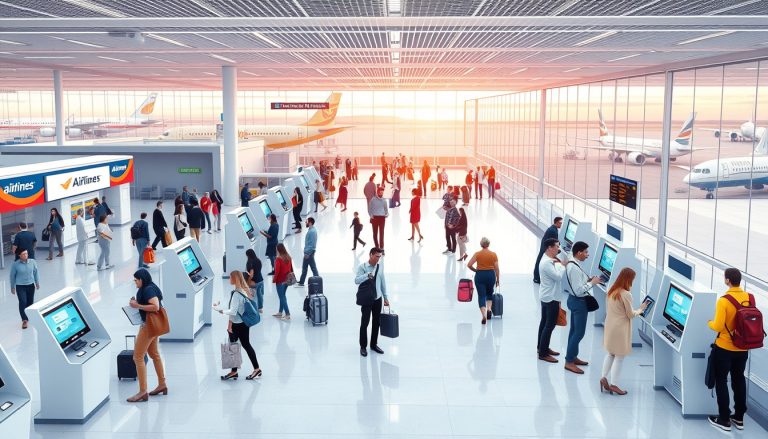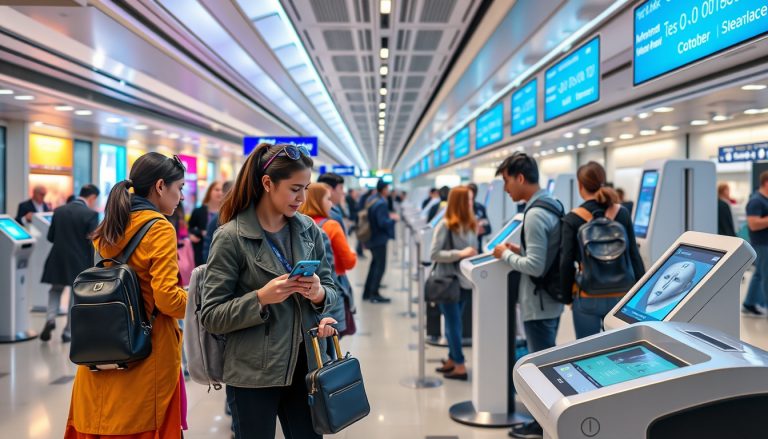
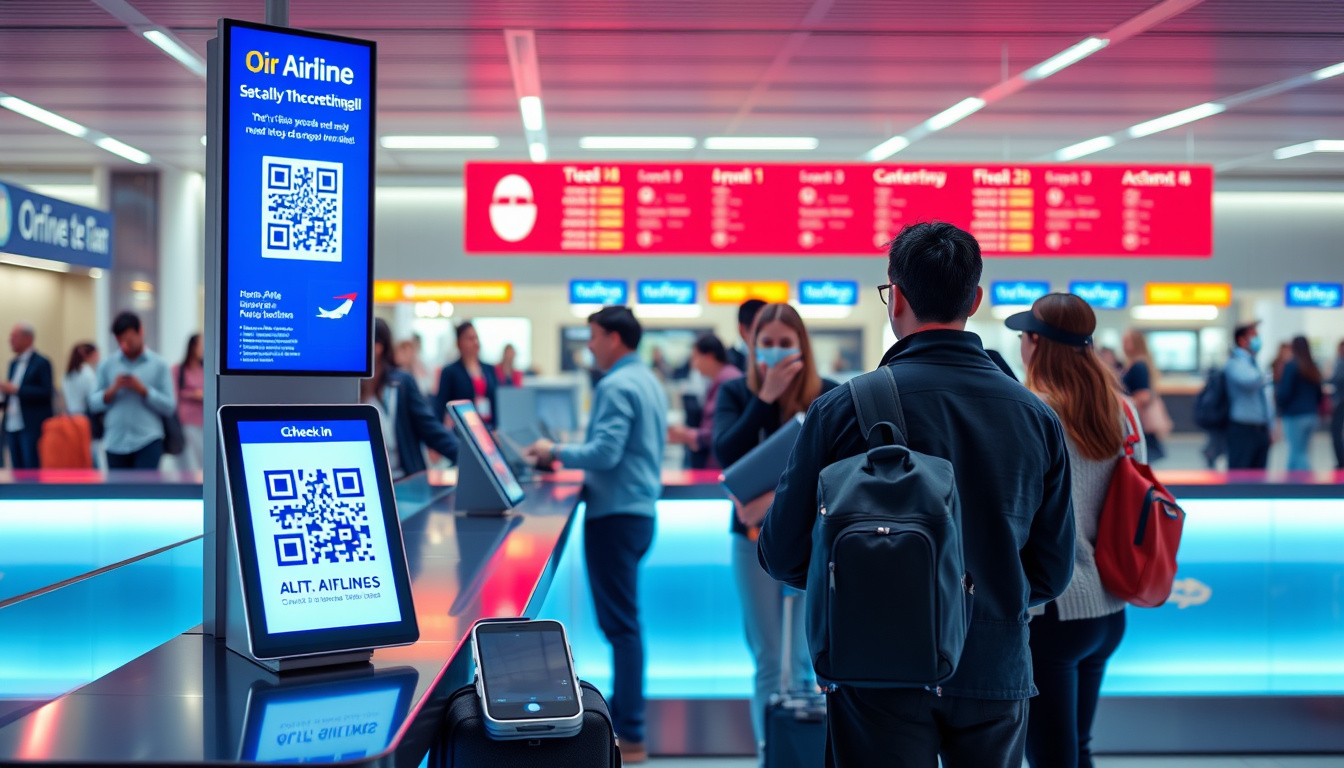
In a world where convenience and speed are paramount, the aviation industry is evolving to include innovative solutions that enhance the passenger experience. One such advancement is the implementation of QR code payments at airline check-in counters. This modern payment method not only streamlines the check-in process but also provides airlines with a more efficient way to handle transactions. In this article, we will delve into the advantages of adopting QR code payments at airline check-in counters, explore the challenges that airlines may face, and discuss the future prospects for this transformative technology in air travel.
Nxt Travel – The aviation merchant specialists.

Key Takeaways
- QR code payments streamline the check-in process for airlines and passengers.
- Implementing QR code payments can enhance operational efficiency and reduce wait times.
- Challenges include ensuring security and gaining passenger acceptance of new technology.
- The use of QR codes can facilitate contactless transactions in the post-pandemic travel landscape.
- The future of air travel may see widespread adoption of QR code payments as technology advances.
Introduction to QR Code Payments in Airlines
In today’s fast-paced travel environment, QR Code Payments at Airline Check-In Counters are revolutionizing the way passengers complete their transactions with ease and efficiency. As airlines continuously seek ways to enhance the passenger experience, the integration of QR codes into the check-in process is emerging as a convenient solution. These small, scannable codes streamline payment processes, reducing wait times and minimizing the need for physical cash or cards. With the rise of smartphone usage among travelers, QR code payments offer a safe and contactless method to pay for additional services, such as baggage fees or in-flight purchases. This innovative approach not only caters to tech-savvy travelers but also positions airlines as forward-thinking entities that prioritize customer convenience. By adopting QR Code Payments at Airline Check-In Counters, airlines are setting a new standard for operational efficiency while ensuring a seamless travel experience.
Benefits of Implementing QR Code Payments
Implementing QR Code payments at airline check-in counters provides a myriad of benefits that enhance both operational efficiency and customer satisfaction. Firstly, the use of QR codes accelerates the check-in process, allowing passengers to complete their transactions in a matter of seconds using their smartphones. This swift payment method reduces wait times and minimizes crowd congestion, leading to a smoother airport experience. Additionally, QR Code payments enhance security by eliminating the need for physical cash or cards, thereby reducing the risk of theft or fraud. Airlines can also benefit from increased revenue through the seamless integration of ancillary services, such as upgraded seats or baggage fees, that can be purchased using QR codes. Lastly, the convenience of QR code payments aligns with the growing demand for contactless methods amid a post-pandemic world, making it a crucial innovation for airlines aiming to modernize and streamline their services.
‘The future belongs to those who believe in the beauty of their dreams.’ – Eleanor Roosevelt
Nxt Travel – The aviation merchant specialists.

Challenges and Considerations
As QR code payments at airline check-in counters become increasingly common, it’s essential to address the challenges and considerations that come with this technology. One significant hurdle is ensuring that both passengers and airline staff are adequately trained to use QR code systems effectively. Without proper understanding, the process can lead to confusion and delays, impacting the overall customer experience. Additionally, security concerns regarding payment fraud and data privacy must be prioritized, requiring airlines to implement robust encryption methods and safeguard customer information. Furthermore, not all passengers may be comfortable or familiar with digital transactions, particularly older generations, which can lead to accessibility issues. To maximize the benefits of QR code payments, airlines need to consider these challenges and provide clear instructions and support, ensuring a smooth transition to a more efficient check-in process that enhances customer satisfaction.
Future of QR Code Payments in Air Travel
As technology continues to evolve, the future of QR code payments at airline check-in counters is set to redefine the travel experience for millions of passengers worldwide. QR code payments offer a seamless, contactless transaction method that enhances convenience and efficiency at busy airports. By simply scanning a QR code with their mobile devices, travelers can complete payments for checked baggage, upgrades, or concessions without the hassle of cash or credit cards. This innovative payment solution not only speeds up the check-in process but also reduces waiting times, significantly improving the overall passenger experience. As airlines increasingly adopt QR code payments, the aviation industry is moving towards a more streamlined, customer-centric approach that aligns with modern consumer expectations for speed and safety. With continued advancements in mobile payment technology, it’s clear that QR code payments at airline check-in counters will play a vital role in the future of air travel.