In the rapidly evolving world of e-commerce and electronic payments, maintaining robust data security is paramount, particularly for airline merchants. As more customers opt to purchase tickets and related services online, the handling of sensitive payment information has placed increased emphasis on PCI compliance. This article delves into PCI Compliance Best Practices for Airline Merchants, detailing what airlines need to know to protect themselves and their customers. We’ll cover the essentials of PCI compliance, the critical steps to achieving it, common challenges faced by airline merchants, and the importance of continuous monitoring and improvement.
Nxt Travel – The aviation merchant specialists.

Key Takeaways
- Airline merchants must comprehend the nuances of PCI compliance to safeguard customer payment data.
- Achieving PCI compliance involves several key steps that include risk assessment and resource allocation.
- Common challenges for airline merchants include technology integration and staff training for compliance adherence.
- Continuous monitoring is essential to ensure that PCI compliance measures are effective and up to date.
- Improving PCI compliance practices is a proactive approach that protects against data breaches and enhances customer trust.
Understanding PCI Compliance for Airlines
Understanding PCI compliance is crucial for airline merchants as it ensures the security of payment card transactions and protects sensitive customer data. PCI Compliance Best Practices for Airline Merchants include implementing strong access control measures to limit data access to only authorized personnel, regularly monitoring and testing networks to identify vulnerabilities, and maintaining a comprehensive security policy that encompasses all operational aspects. Furthermore, training staff on security awareness is vital, as human error can lead to potential data breaches. By adhering to these best practices, airlines can not only safeguard their customers’ financial information but also build trust and enhance their reputation in an increasingly competitive market.
Key Steps for Achieving PCI Compliance
Achieving PCI compliance is essential for airline merchants who handle sensitive payment card information. Here are some PCI compliance best practices for airline merchants that can significantly enhance data security and customer trust. Firstly, it’s crucial to assess your current security posture and identify any gaps that need addressing. Implementing robust encryption protocols can protect cardholder data during transmission and storage. Furthermore, regularly conducting vulnerability scans helps identify potential weaknesses in your IT infrastructure. Another key step is to ensure the proper training of employees on security policies and procedures, as human error is often a leading cause of data breaches. Lastly, merchants should consider engaging with a PCI Qualified Security Assessor (QSA) to guide them through the compliance process and provide tailored recommendations. By following these PCI compliance best practices for airline merchants, businesses can not only meet regulatory requirements but also foster customer confidence in their services.
‘In the world of cybersecurity, compliance is not just about having systems in place; it’s about cultivating a culture of security within your organization.’ – Unknown
Nxt Travel – The aviation merchant specialists.

Common Challenges Faced by Airline Merchants
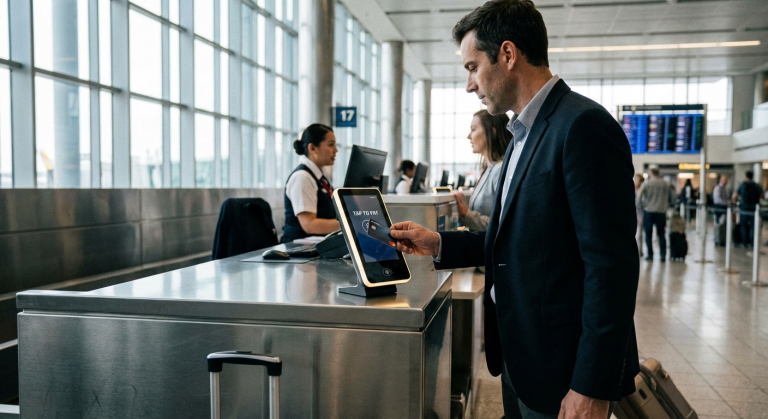
In the fast-paced world of air travel, airline merchants often face a myriad of challenges, especially when it comes to handling payment transactions securely. One of the significant hurdles is ensuring adherence to PCI compliance best practices for airline merchants. This entails understanding the complexities of Payment Card Industry Data Security Standards, which are essential for safeguarding customer payment information. Many airlines operate through various sales channels—such as e-commerce websites, mobile apps, and ticketing kiosks—making it crucial to implement robust security measures across all platforms. Common challenges include integrating secure payment gateways, training staff on compliance measures, and conducting regular audits to identify vulnerabilities in the system. Moreover, the ever-evolving landscape of cyber threats further complicates the compliance process, urging airline merchants to stay updated on the latest PCI regulations. To effectively navigate these challenges, airlines must adopt a proactive approach by implementing strong encryption methods, maintaining firewall protections, and ensuring all customer data is securely stored and transmitted.
Continuous Monitoring and Improvement for PCI Compliance
Continuous monitoring and improvement are essential components of PCI compliance best practices for airline merchants. In the fast-paced airline industry, where customer transactions and sensitive payment data flow extensively, maintaining the highest security standards is not just a regulatory requirement but a necessity for customer trust and loyalty. Airlines must regularly assess their systems, update security protocols, and conduct frequent audits to ensure that all processes align with the Payment Card Industry Data Security Standards (PCI DSS). This involves using advanced monitoring tools to detect any anomalies in payment processing, training staff on security awareness, and establishing a culture of compliance across all operations. By focusing on continuous improvement, airline merchants can not only safeguard against data breaches but also enhance their operational efficiency, leading to a better overall customer experience.