In the rapidly evolving landscape of airline e-commerce, ensuring payment security has become a paramount concern for both airlines and their customers. As the number of online transactions in the aviation sector continues to skyrocket, so too does the sophistication of cyber threats targeting sensitive financial information. This article will delve into the latest payment security trends in airline e-commerce, examining the current challenges faced by airlines, the innovative technologies being adopted to bolster security, and best practices for staying ahead in this critical area. Whether you’re an industry professional looking to enhance security measures or a traveler interested in understanding how airlines protect your payment information, this comprehensive guide will provide valuable insights into the dynamic world of payment security in airline e-commerce.
Nxt Travel – The aviation merchant specialists.
Key Takeaways
- Payment security is crucial for the airline e-commerce sector to protect against fraud and breaches.
- Airlines face significant challenges including card-not-present fraud and data privacy concerns.
- Emerging technologies like AI and blockchain are being leveraged to enhance payment security measures.
- The future of payment security in airlines includes adopting multi-layered security protocols and robust authentication methods.
- Best practices for airlines involve staying updated with regulatory changes and continuously training staff on security awareness.
Introduction to Payment Security in Airline E-Commerce
In the ever-evolving landscape of airline e-commerce, ensuring the security of payment transactions is paramount for both airlines and their customers. As digital transactions become increasingly prevalent, understanding the latest payment security trends in airline e-commerce is crucial for safeguarding sensitive financial information. This article delves into the most significant trends shaping the future of payment security in the airline industry, including the implementation of advanced encryption technologies, the rise of biometric authentication, and the adoption of blockchain technology. By staying informed about these trends, airlines can bolster their defenses against fraud, enhance customer trust, and ultimately create a safer online booking experience.
Current Payment Security Challenges Faced by Airlines
In the competitive landscape of airline e-commerce, understanding the latest payment security trends is imperative for safeguarding customer data and ensuring seamless transactions. Currently, airlines are grappling with significant payment security challenges, particularly with the rise of sophisticated cyber threats and fraudulent activities. As more passengers opt for online bookings, airlines face the urgent need to enhance their payment security protocols. From implementing advanced encryption technologies to adopting machine learning algorithms for real-time fraud detection, airlines must stay abreast of evolving payment security trends. Additionally, the integration of multi-factor authentication and tokenization processes has become essential in fortifying payment gateways against cybercriminals. As these challenges persist, airlines that prioritize robust payment security measures can not only protect their revenue but also build trust and loyalty among their customers.
‘In the world of e-commerce, trust is the currency of choice, and security is its shield.’
Nxt Travel – The aviation merchant specialists.

Emerging Technologies Enhancing Payment Security
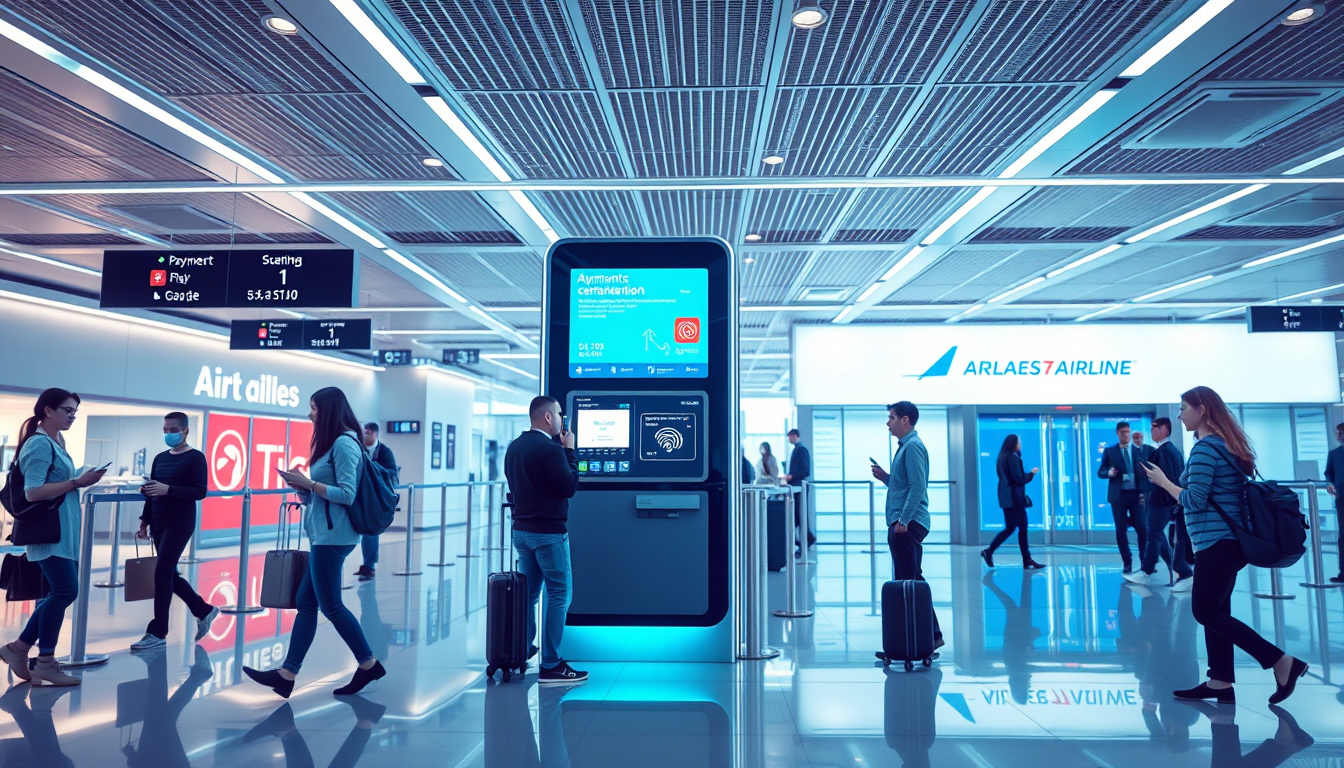
In recent years, the landscape of airline e-commerce has undergone significant transformation, largely driven by emerging technologies that enhance payment security. As consumers increasingly opt for online booking platforms, airlines are investing in cutting-edge solutions to safeguard financial transactions. Notably, advancements such as biometric authentication and tokenization are reshaping the way payments are processed, providing an additional layer of security for sensitive credit card information. Moreover, machine learning algorithms are being utilized to detect fraudulent activities in real-time, allowing airlines to respond swiftly to potential threats. These payment security trends in airline e-commerce not only protect customers but also build trust in airline brands, essential for maintaining a competitive edge in a digital marketplace.
Future Outlook and Best Practices for Airlines
As the airline industry continues to evolve, payment security trends in airline e-commerce are becoming increasingly crucial for maintaining customer trust and loyalty. With the rise of online bookings, airlines are adopting advanced technologies and best practices to safeguard sensitive financial data. One emerging trend is the implementation of artificial intelligence (AI) to detect fraudulent transactions in real-time, allowing for quick mitigation of potential threats. Another vital trend is the adoption of biometric authentication, which not only streamlines the payment process for travelers but also enhances security by minimizing unauthorized access. Additionally, regulatory compliance, particularly with standards like PCI DSS (Payment Card Industry Data Security Standard), remains a top priority, ensuring that airlines meet industry benchmarks for customer protection. As customer expectations evolve, leveraging these payment security trends in airline e-commerce will not only help airlines protect their revenue but also foster a safer, more reliable booking experience.