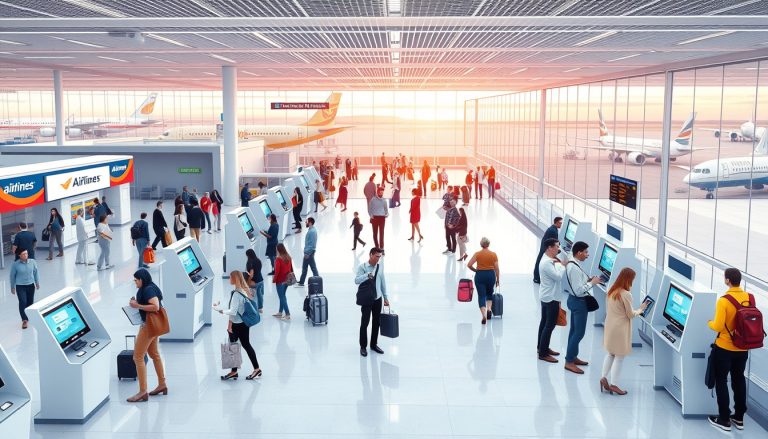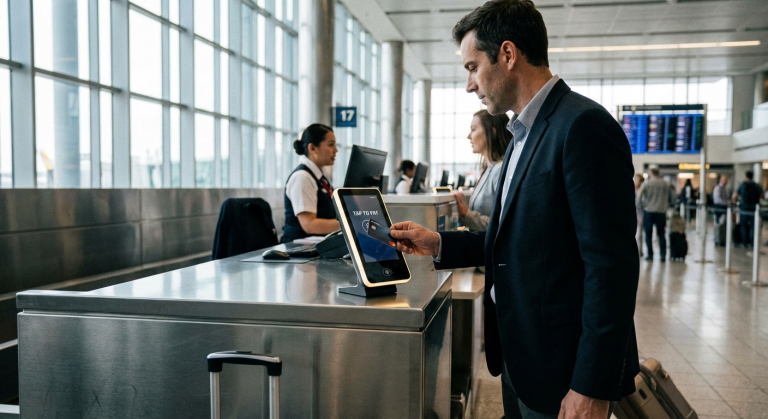
In today’s fast-paced digital world, seamless transactions have become a critical aspect of any online business, especially for the airline industry. Payment Gateway Integration for Airline Reservation Systems is a crucial process that enables customers to book flights, manage bookings, and make payments effortlessly. This article will explore the fundamentals of payment gateways in airline systems, outline the benefits of their integration, address the challenges faced during the integration process, and provide best practices to ensure a successful implementation. Whether you are a developer, a business owner, or simply someone interested in the technological advancements within airline reservation systems, this guide aims to provide you with valuable insights into how payment gateways can enhance customer experience and operational efficiency.
Nxt Travel – The aviation merchant specialists.
Key Takeaways
- Payment gateways are essential for secure transactions in airline reservation systems.
- Integrating payment gateways can enhance user experience and improve conversion rates.
- Common challenges include regulatory compliance and technical compatibility with existing systems.
- Implementing best practices ensures a smooth integration process and minimizes payment failures.
- Understanding customer preferences can inform better payment options and increase customer satisfaction.
Understanding Payment Gateways in Airline Systems
In the modern era of digital transactions, payment gateway integration for airline reservation systems has become a crucial aspect of enhancing customer experience and operational efficiency. Payment gateways act as the intermediary between customers and airlines, facilitating secure processing of credit card and other payment methods during the booking process. This integration allows airlines to accept payments seamlessly, ensuring that travelers can complete their reservations without hassle. Additionally, a robust payment gateway ensures compliance with regulatory standards, reducing the risk of fraud and enhancing trust with customers. As airlines look to streamline their booking processes, investing in sophisticated payment gateway solutions not only improves transaction speed but also elevates overall customer satisfaction, positioning airlines to compete effectively in a crowded market.
Key Benefits of Integrating Payment Gateways
Integrating a payment gateway into airline reservation systems is crucial for enhancing the customer experience and streamlining operations. One of the key benefits of payment gateway integration for airline reservation systems is the convenience it offers travelers. By allowing customers to securely complete transactions in real-time, airlines can significantly reduce booking abandonment rates and improve overall sales. Additionally, modern payment gateways support multiple payment methods, accommodating various preferences and enhancing customer satisfaction. Furthermore, integration with advanced fraud detection tools ensures that sensitive financial information is protected, building trust among users. Lastly, automated reconciliation processes facilitated by these gateways reduce administrative burdens and enhance operational efficiency, enabling airlines to focus on delivering exceptional service. Thus, embracing payment gateway integration is a strategic move that can lead to increased revenue and a more robust customer loyalty in the competitive airline industry.
‘The key to a successful payment gateway integration is not just to facilitate transactions but to enhance the overall travel experience for the customer.’
Nxt Travel – The aviation merchant specialists.

Challenges in Payment Gateway Integration
Integrating a payment gateway for airline reservation systems poses unique challenges that can significantly impact the travel industry’s operational efficiency and customer experience. One of the primary hurdles is ensuring compliance with various regulatory standards, including PCI DSS (Payment Card Industry Data Security Standard), which safeguards sensitive payment information. Furthermore, the integration process often requires synchronization between multiple systems, such as inventory management, booking engines, and financial software, which can lead to compatibility issues. Additionally, airlines must consider the diverse payment preferences of travelers globally; failure to accommodate different currencies and payment methods can result in abandoned bookings. Consequently, seamless payment gateway integration not only enhances customer satisfaction but also plays a crucial role in maximizing conversion rates for airline reservations. Understanding these challenges can help airlines strategize effectively, ensuring a smooth and secure transaction process for their customers.
Best Practices for Successful Payment Integration
Integrating a payment gateway into airline reservation systems is crucial for enhancing user experience and streamlining transactions. For successful payment gateway integration for airline reservation systems, it is essential to follow best practices that ensure security, reliability, and user satisfaction. First, choose a payment gateway that supports multiple currencies and payment methods to accommodate international travelers. Implementing SSL encryption is also vital to protect sensitive customer data during transactions. Furthermore, ensure that your integration is compliant with PCI DSS standards to safeguard against fraud. Testing the integration thoroughly before going live will help identify any potential issues that could disrupt the booking process. Additionally, providing clear instructions and support for users during the payment process can reduce cart abandonment and improve conversion rates. By adhering to these best practices, airlines can facilitate a smooth and secure payment experience, ultimately leading to increased customer loyalty and revenue.