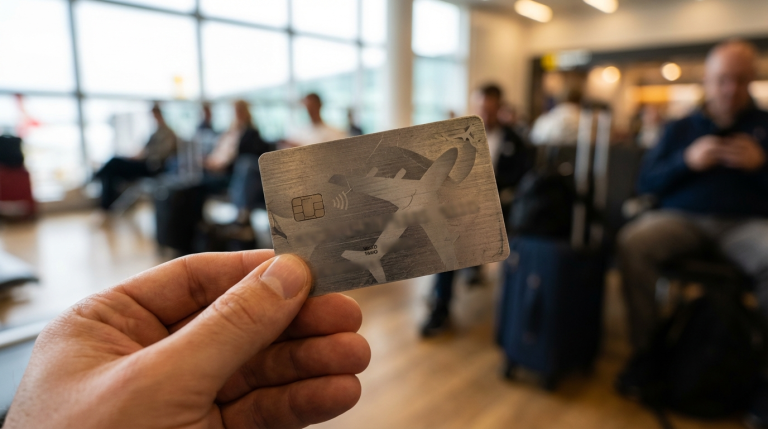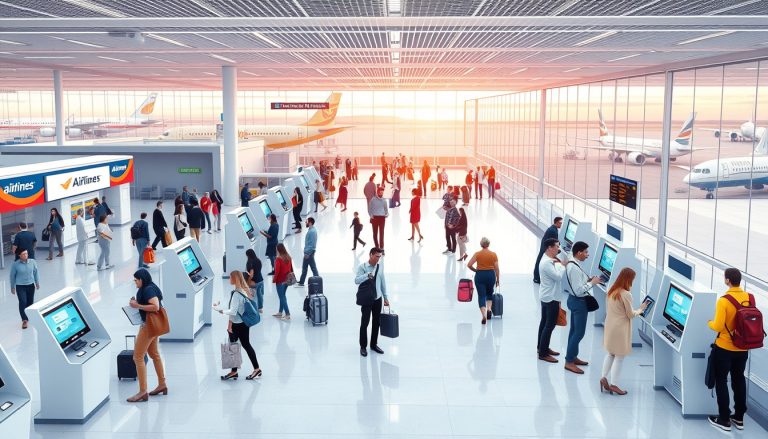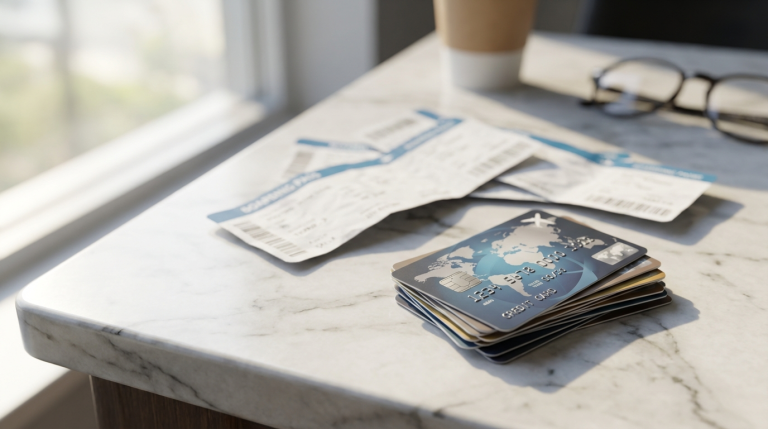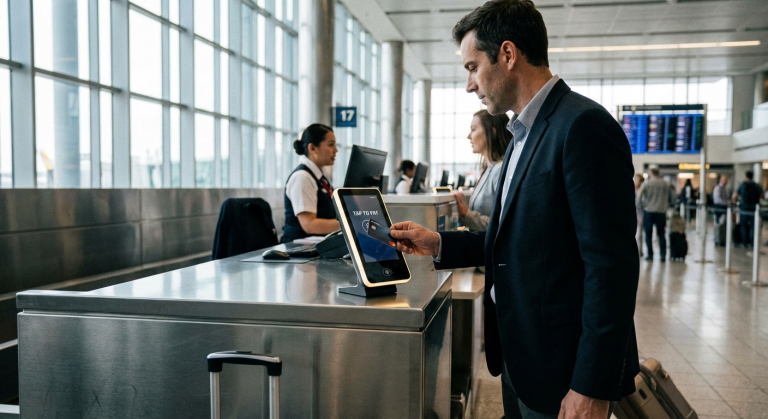
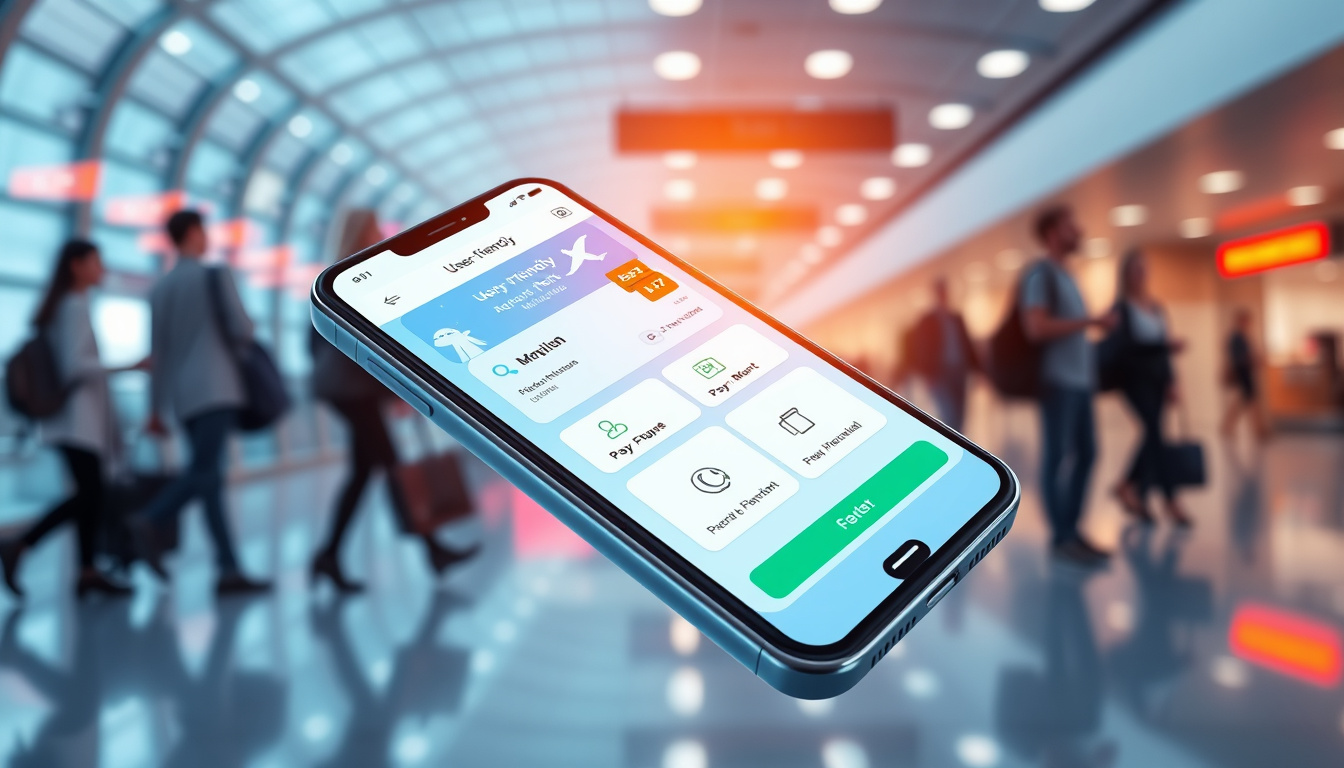
In today’s fast-paced world, convenience and speed are paramount when it comes to travel. As such, mobile payment integration in airline apps has become a revolutionary trend within the aviation industry, reshaping how customers book flights and manage their travel expenses. With an increased reliance on smartphones for everyday transactions, integrating mobile payment solutions is not just an enhancement; it’s a necessity for airlines seeking to improve customer experience and streamline operations. In this article, we will explore the comprehensive landscape of mobile payment integration in airline apps, examining its benefits, challenges, and future trends that promise to further transform how we travel.
Nxt Travel – The aviation merchant specialists.

Key Takeaways
- Mobile payment integration streamlines booking and check-in processes for airline customers.
- Implementing mobile payments can significantly enhance customer satisfaction and loyalty for airlines.
- Despite challenges like security and technological compatibility, solutions exist to integrate mobile payments effectively.
- Mobile payment systems can reduce operational costs and increase revenue for airlines.
- Future trends indicate a strong move towards digital wallets and contactless payment solutions in the airline industry.
Overview of Mobile Payment Integration
In recent years, mobile payment integration in airline apps has transformed the way travelers book flights and manage their travel itineraries. This integration allows passengers to make swift and secure transactions directly from their mobile devices, enhancing convenience and improving user experience. By allowing users to link their bank accounts, credit cards, or digital wallets, airlines can streamline the purchasing process, making it faster for customers to pay for tickets, baggage fees, and in-flight services. As mobile payment technologies continue to evolve, airlines that adopt these systems not only gain a competitive edge but also foster customer loyalty by ensuring a seamless travel experience from pre-booking to boarding.
Benefits of Mobile Payments for Airlines
Mobile payment integration in airline apps offers a multitude of benefits that can enhance both operational efficiency and customer experience. Firstly, it simplifies the purchasing process for travelers, allowing them to book flights, check-in, and make ancillary purchases directly from their smartphones with just a few taps. This accessibility not only encourages spontaneous bookings but also reduces wait times, leading to a more streamlined travel experience. Furthermore, integrating mobile payments can significantly reduce operational costs associated with handling cash and credit card transactions at airport counters. Airlines can also benefit from improved data collection capabilities, as mobile payment systems provide rich analytics on customer spending habits. Additionally, the convenience of mobile payments fosters greater customer loyalty, as passengers are more likely to choose airlines that offer seamless and secure payment options. In an era where speed and efficiency are paramount, embracing mobile payment integration in airline apps is not just a trend but a strategic move that can position airlines favorably in a highly competitive market.
‘The future of mobile payments is not about cash or credit cards, but a world of possibilities that enhances our travel experience with convenience and speed.’
Nxt Travel – The aviation merchant specialists.

Challenges and Solutions in Implementation
Implementing mobile payment integration in airline apps presents several challenges that airlines must navigate to ensure a seamless customer experience. One of the primary issues is maintaining security; airlines must safeguard sensitive payment information while also complying with various regulations, such as PCI DSS. Additionally, there are technical hurdles related to integrating diverse payment gateways that cater to international customers, as payment preferences can vary significantly by region. Solutions to these challenges include employing robust encryption technologies and partnering with trusted payment processors that specialize in handling mobile transactions. Moreover, a user-centric design approach can greatly enhance the app’s usability, allowing passengers to complete transactions quickly and efficiently. By addressing these challenges effectively, airlines can not only enhance customer satisfaction but also increase conversion rates and streamline overall operations through effective mobile payment integration.
Future Trends in Airline Mobile Payment Systems
As the travel industry continues to evolve, one of the most significant trends shaping the future of airline services is the increasing focus on mobile payment integration in airline apps. With the rise of smartphones and the relentless quest for convenience, airlines are now prioritizing mobile payment solutions to enhance the customer experience. This integration not only simplifies the booking process but also streamlines in-flight purchases, allowing passengers to complete transactions quickly and securely from their mobile devices. Moreover, as contactless payment methods gain traction due to health and safety concerns, airlines that prioritize mobile payment integration in airline apps are better positioned to meet consumer expectations for speed, security, and efficiency. As we look ahead, it is clear that the synergy between mobile technology and payment systems will play a crucial role in defining the future landscape of air travel.