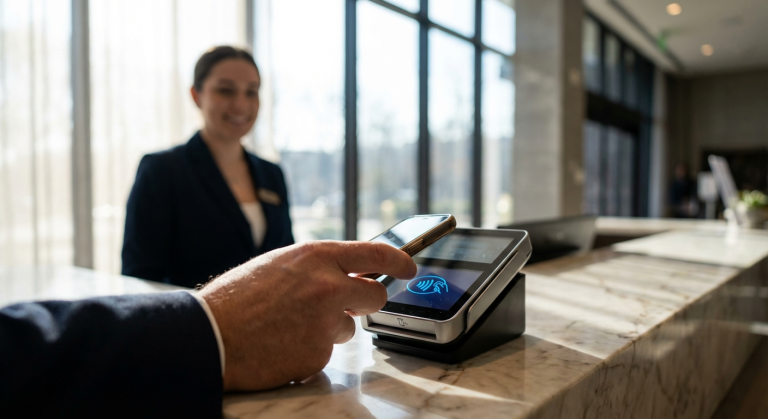
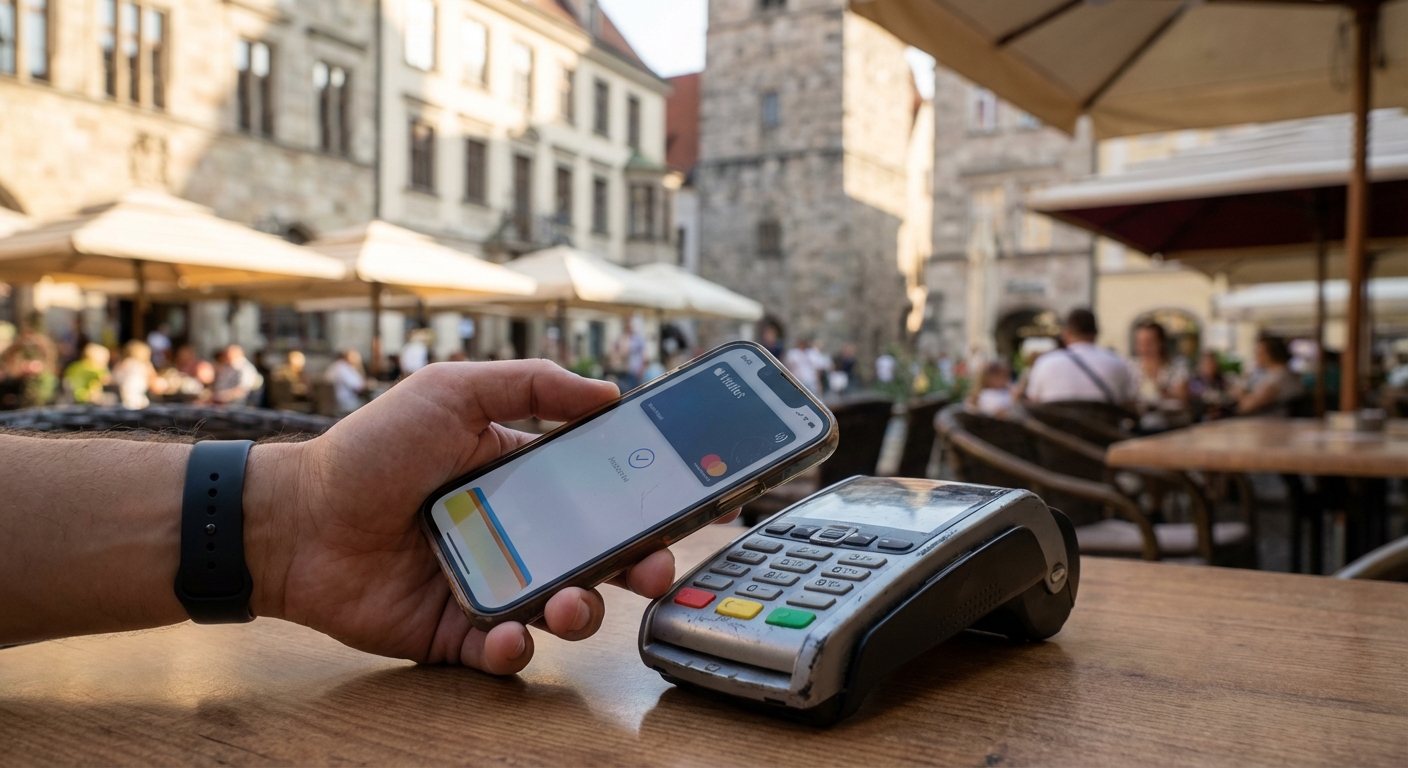
Travelers in 2025 are booking flights, reserving tables, and paying for souvenirs with a tap of a phone or watch. The shift away from cash and plastic is not just changing how tourists spend. It is reshaping which destinations they choose and how merchants compete for their business.
According to research from Discover Network, nearly half of all consumers now use Google to plan travel destinations. That digital journey starts long before they pack a bag. It also means merchants who cannot accept modern payment methods risk being filtered out before travelers even arrive.
Three Payment Trends Redefining Tourism
1. Digital Wallets Overtake Cards
Credit and debit cards still dominate international travel, used by over half of globetrotters. But the gap is closing fast. Visa reports that more than 70 percent of travelers in the Gulf Cooperation Council region now prefer digital wallets. The trend extends beyond the Middle East.
Travelers want seamless, secure experiences that work everywhere. Mobile wallets deliver. They eliminate the friction of currency exchange and reduce the risk of carrying cash. For merchants, accepting Apple Pay, Google Pay, and local wallet apps is becoming table stakes.
2. Security Concerns Drive Payment Choices
Fraud remains a top concern for tourists. Discover’s survey found 59 percent of consumers are somewhat concerned about payment fraud when traveling. Another 22 percent are very concerned. When selecting a payment method for leisure travel, 25 percent focus on security above all else.
This anxiety shapes destination decisions. Travelers gravitate toward markets with robust digital infrastructure and trusted payment networks. They avoid places where cash is the only option or where card fraud is perceived as rampant.
3. Cross-Border Transactions Surge
International travel is booming. Cross-border payment transactions reached 771 million between June 2023 and June 2024, according to Visa. That volume reflects a fundamental shift in how people move money globally.
The challenge? Complexity. A staggering 71 percent of consumers say they need help navigating payment options abroad. They want clarity on fees, exchange rates, and acceptance. Destinations that simplify this experience, through unified QR codes or transparent pricing, gain an edge.
What Travelers Want to Spend On
Payment infrastructure matters because tourists spend across multiple categories. Discover’s data shows 76 percent of leisure travelers want dining and restaurant experiences. Seventy-one percent focus on tourism and sightseeing. Fifty-five percent plan to shop. Thirty-four percent seek nightlife.
Each of these transactions requires a payment touchpoint. A restaurant that only takes cash loses the foodie tourist. A museum without contactless entry frustrates the culture seeker. A retailer without digital wallet support misses the shopper.
Key Takeaways
- Digital wallets are becoming the default for international travelers, especially in Asia and the Middle East. Merchants must support multiple wallet platforms to remain competitive.
- Security ranks higher than convenience when travelers choose payment methods. Fraud prevention and trusted networks influence destination selection.
- Cross-border payment complexity creates friction. Destinations that simplify the experience through transparent fees and unified acceptance gain market share.
- Tourism spending spans categories from dining to shopping to nightlife. Payment readiness across all touchpoints determines merchant success.
The message for destinations and merchants is clear. Payment innovation is no longer a back-office concern. It is a front-line competitive advantage that directly impacts tourism revenue.