
How Contactless Payments Are Reshaping Tourism Destinations Worldwide
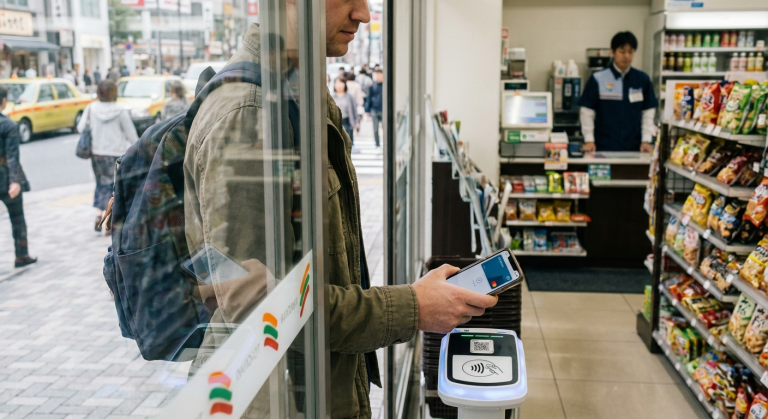
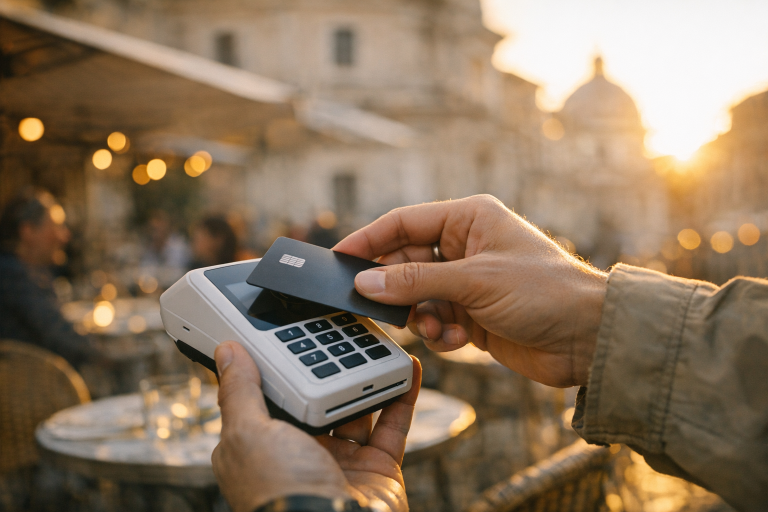
The tourism industry has crossed a digital tipping point. In 2024, travelers abandoned cash and traditional cards at an unprecedented rate, embracing mobile wallets and contactless payments that promise speed, security, and the holy grail of modern travel: paying like a local anywhere on earth.
The Numbers Behind the Shift
Global contactless payment adoption has reached mass-market saturation. According to industry data, over 82% of consumers worldwide now use contactless payments, with Europe leading the charge at 60% online payment adoption and 25% in-store digital payment usage in 2024 (Travel and Tour World).
The Asia Pacific region, long a mobile-first payments market, is seeing explosive growth. Alipay+ reported its transaction volumes tripled in the first nine months of 2024, with the number of travelers using their home payment apps abroad increasing threefold (TTG Asia).
What Travelers Are Actually Buying
The post-pandemic traveler has fundamentally different spending patterns. Shopping sprees at luxury retailers are giving way to localized experiences. Data from Alipay+ shows:
- Food and beverage transactions up 80%
- Attractions and experiences spending up 50%
- Transportation (ride-hailing, taxis, trains) up 120%
This shift reflects a broader trend: travelers want authentic local experiences, and seamless payments enable them to explore independently rather than sticking to packaged tours.
Destination Impact: Smaller Cities Win Big
The payments revolution is democratizing tourism geography. Malaysia’s PayNet DuitNow QR scheme, integrated with Alipay+, saw a 142% quarterly increase in transactions since January 2024. This growth has driven significant tourism to secondary destinations like Kota Kinabalu, Selangor, and Penang (TTG Asia).
Small merchants without advertising budgets can now reach global travelers through digital wallet interfaces and destination marketing programs. A family-run restaurant in Penang can appear alongside major hotel chains in a Chinese tourist’s Alipay app.
Europe’s Contactless Transformation
European tourism infrastructure has adapted rapidly. Major cities now offer tap-on, tap-off transit systems across buses, subways, and trains. Museums, parks, and historic sites have adopted QR code entry systems. Summer festivals in Amsterdam and Madrid now distribute wristbands preloaded with payment credentials, eliminating the need for phones or wallets.
Self-service kiosks at tourist attractions reduce staffing costs while offering upsell opportunities for premium experiences. SoftPOS technology turns any NFC-enabled phone or tablet into a payment terminal, letting small vendors process transactions without expensive hardware.
The Infrastructure Race
Payment solutions now dominate the travel fintech landscape, contributing over 45% of total segment revenue in 2024 (MarketIntelo). The Asia Pacific region leads growth with a market size of $2.1 billion and a projected CAGR of 19.5% through 2033.
Alipay+ now connects 1.6 billion consumers to more than 90 million merchants across 66 markets, supporting over 30 payment partner apps including China’s Alipay, Malaysia’s Touch ‘n Go eWallet, Singapore’s OCBC Digital, and Thailand’s TrueMoney (Skift).
What This Means for Merchants
Tourism businesses face a clear imperative: diversify payment options or lose customers. International travelers expect to use their preferred methods, whether that is credit cards, digital wallets, or even cryptocurrency. Merchants who accommodate multiple payment types report higher satisfaction and loyalty.
The technology also enables better customer relationships. Destination marketing platforms like Alipay+’s A+Rewards let tourism boards and merchants promote offers to travelers before they arrive. In Southeast Asia, claimed destination vouchers from A+Rewards campaigns climbed 53% in 2024.
Key Takeaways
- Contactless payments have hit mainstream adoption with 82% global usage, transforming traveler expectations
- Mobile wallet transactions tripled in 2024 as travelers prioritized local experiences over shopping
- Secondary destinations benefit most, as digital payments reduce barriers for small merchants to reach global markets
- Payment infrastructure is now a competitive advantage for tourism destinations competing for international visitors
The future of tourism is unmistakably digital. Destinations that invest in seamless, diverse payment options will capture an outsized share of the post-pandemic travel boom. Those that do not will find themselves increasingly invisible to the modern traveler.