In today’s digital age, the way airlines process payments has evolved significantly. Understanding how airlines handle failed payment transactions is crucial for travelers who want a seamless journey while facing unexpected payment issues. This article delves into the complexities of airline payment processing, explores common reasons behind payment failures, outlines the steps airlines take when transactions do not go through, and provides tips for travelers to prevent such issues in the future.
Nxt Travel – The aviation merchant specialists.

Key Takeaways
- Airlines rely on secure payment transactions to process ticket purchases.
- Common issues leading to failed payments include insufficient funds and incorrect payment details.
- After a payment failure, airlines typically notify customers and may offer alternative payment methods.
- To mitigate future payment issues, airlines implement robust payment processing systems and customer support protocols.
- Understanding the reasons behind payment failures can help customers avoid issues when booking flights.
Understanding Payment Transactions in Airlines
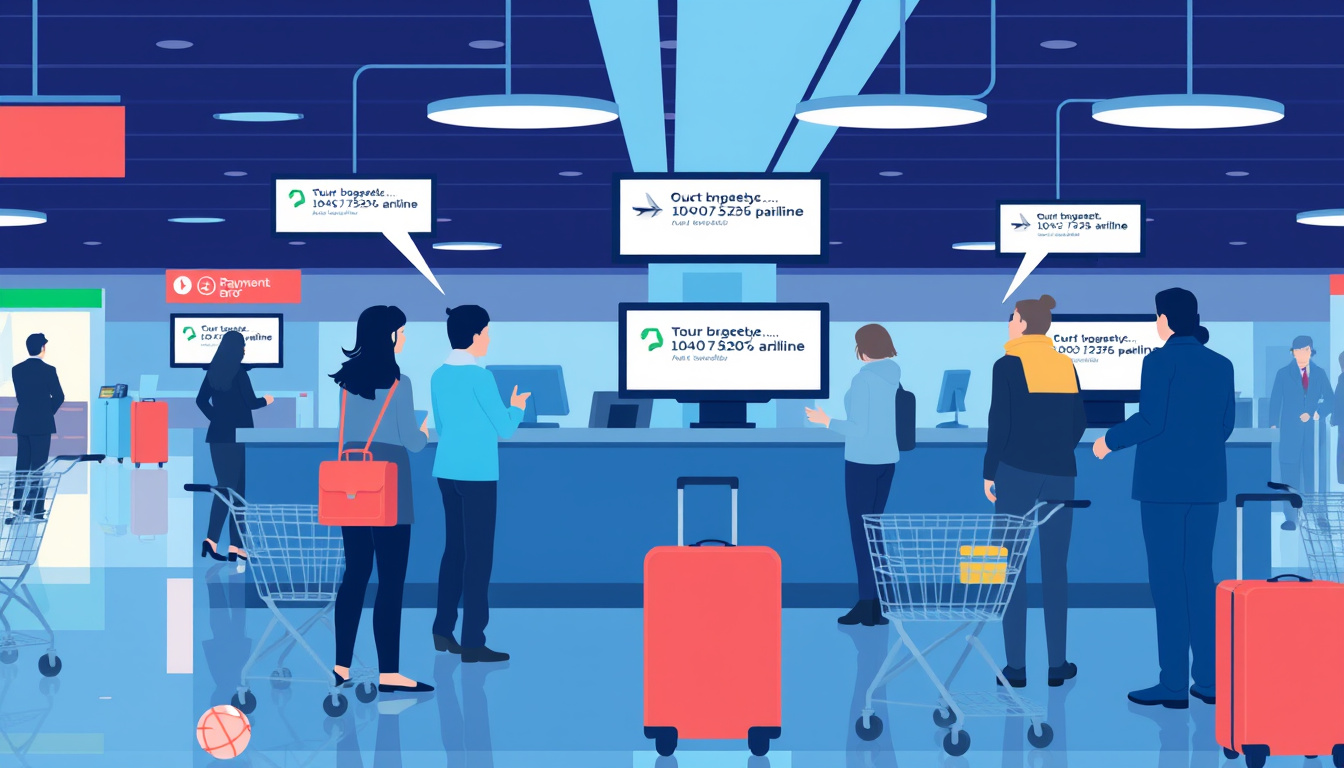
Understanding payment transactions in airlines is crucial for both consumers and industry professionals alike. When customers book flights online, they rely on secure and efficient payment methods to complete their transactions. However, issues can arise, leading to failed payment transactions. So, how do airlines handle failed payment transactions? Typically, most airlines prompt customers with a clear error message indicating the transaction failed, coupled with suggestions to try alternative payment methods or check their account details for accuracy. The airline’s customer service agents are also trained to assist travelers in troubleshooting these issues, ensuring a seamless travel booking experience. Furthermore, many airlines implement advanced fraud detection systems that not only prevent unauthorized transactions but also assist in identifying the type of failure, allowing for quicker resolutions. By understanding how airlines handle failed payment transactions, customers can be better prepared and know what steps to take if their payments do not go through.
Common Reasons for Payment Failures
When it comes to booking flights, failed payment transactions can be a common frustration for travelers. Understanding how airlines handle failed payment transactions can help mitigate the inconvenience and streamline the booking process. One of the primary reasons for payment failures is insufficient funds on the customer’s credit card. If the account balance is lower than the ticket price, the transaction will not go through. Additionally, expired cards or incorrect card details can lead to automatic declines. Moreover, issues related to the payment gateway, such as network errors or technical glitches, can also contribute to payment failures. In response, most airlines have established protocols to address such incidents, including sending immediate notifications to customers, allowing them to reattempt payment with corrected information. By exploring how airlines handle failed payment transactions, travelers can enhance their booking experience and avoid potential headaches.
‘In business, not errors, but the handling of errors is what separates the best from the rest.’
Nxt Travel – The aviation merchant specialists.

Steps Airlines Take After a Payment Failure
When it comes to travel arrangements, securing a flight is just the tip of the iceberg. However, payment failures can disrupt the process significantly. So, how airlines handle failed payment transactions is crucial for our seamless travel experience. Typically, airlines initiate a series of steps to address payment issues. Initially, they will send an automated alert to the customer, indicating that the payment has not gone through. This communication may suggest alternative payment methods or provide a link to resolve the issue online. If the transaction fails, airlines may also temporarily hold the fare, giving the customer a short window to rectify the payment failure. Should the issue persist, customer service teams step in to assist, offering guidance on troubleshooting payment issues and ensuring that travelers can still secure their preferred flights. In cases of persistent failures, airlines often implement protective measures, such as storing customer payment details securely for future transactions, which allows for smoother booking experiences in the future. By understanding the steps airlines take after a payment failure, travelers can navigate their journey with confidence and avoid unnecessary stress.
Ways to Prevent Payment Issues in the Future
Understanding how airlines handle failed payment transactions is essential for travelers who wish to avoid inconveniences and ensure a smooth booking experience. One effective way to mitigate payment issues is by ensuring you have sufficient funds available in your account before the transaction. Additionally, using reliable payment methods that you are familiar with can significantly minimize the risk of a failed transaction. It is also wise to double-check all your payment information, including card numbers and billing addresses, before finalizing your booking. Furthermore, staying updated on your bank’s policies regarding transactions can help, as some institutions may block payments that appear unusual for security reasons. By proactively managing these elements, you can prevent payment issues in the future and enjoy seamless air travel.