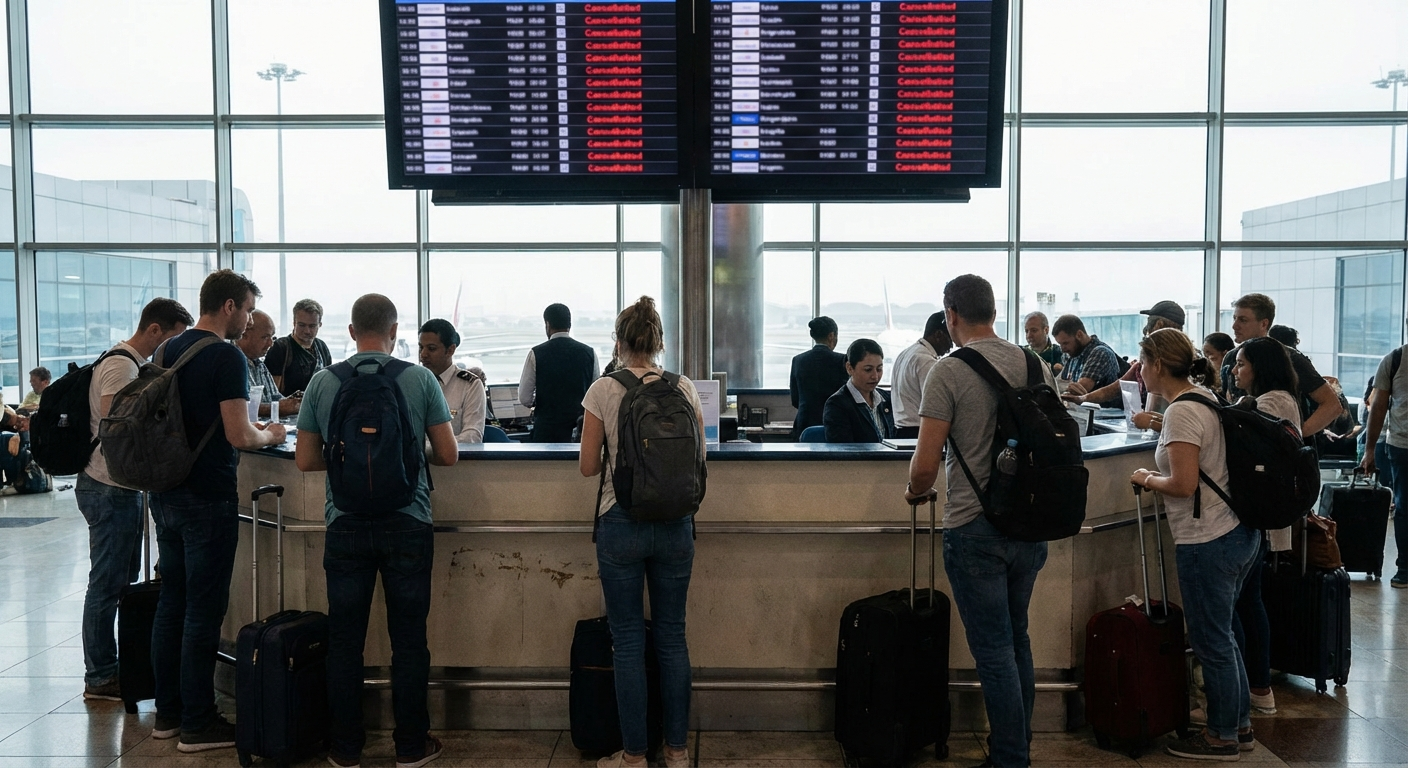
When the Crossroads Closes: Lessons from the Gulf Airspace Shutdown
For travel merchants operating in the luxury segment, the past week delivered a blunt reminder of how quickly operational stability can unravel. The closure of Gulf airspace following the US-Israeli bombing of Iran and subsequent retaliatory strikes did not just strand passengers. It exposed the structural vulnerability of an aviation model that routes nearly 300,000 travelers daily through just three airports.
Dubai, Abu Dhabi, and Doha have spent two decades positioning themselves as the indispensable crossroads of global aviation. Their hub networks link Asia, Africa, Europe, and the Americas with efficiency that traditional routing cannot match. When Russian and Ukrainian airspace closed to European carriers after 2022, eastbound traffic funneled south into an even narrower corridor. For many routes, a Gulf connection became not merely the best option but the only viable one.
That concentration became a liability when conflict closed the skies.
The Operational Reality on the Ground
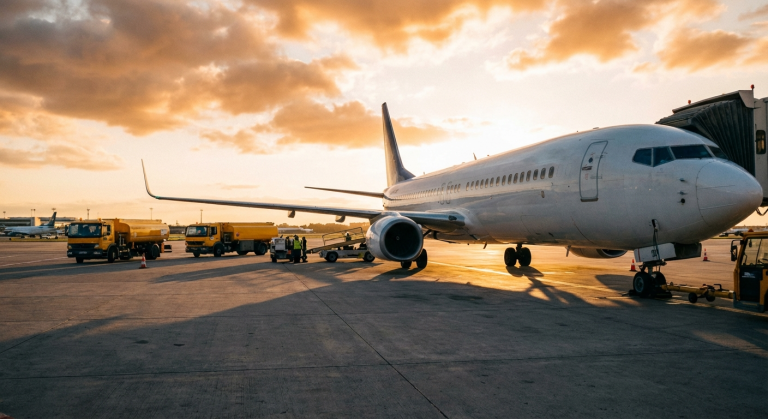
Emirates, the flagship carrier of Dubai, grounded nearly its entire network for the better part of a week. The airline normally moves 175,000 passengers through Dubai International Airport daily, with 55% of those travelers remaining in the city for at least a stopover. When operations halted, the ripple effects extended far beyond the Gulf.
Etihad followed with partial suspensions. Qatar Airways, operating from Doha 200 miles west, faced its own airspace restrictions. Together, the three carriers represent a chokepoint that the global travel industry has come to depend upon.
Oman Air stepped into the breach, operating nearly 80 extra relief flights and moving more than 97,000 stranded passengers through Muscat International Airport. The airline established bus services for travelers crossing the land border from the UAE to catch onward flights. This ad-hoc solution worked for some, but it highlighted the absence of systematic contingency planning across the region.
The Refund and Rebooking Burden
For travel merchants, the immediate crisis translates into an administrative avalanche. Emirates and Qatar Airways have both implemented flexible rebooking policies allowing passengers to adjust travel plans without additional charges. Full refunds are available for unused ticket values. These policies, while necessary for customer retention, create significant cash flow pressure on carriers already facing operational strain.
The impact cascades through the distribution chain. Tour operators with packaged itineraries face supplier penalties even when end customers cancel. Corporate travel managers must unravel complex bookings across multiple segments. Luxury travel advisors, who differentiate on service quality, find themselves spending hours on hold with airline call centers that are themselves overwhelmed.
From a payments perspective, the situation creates specific friction. Refunds to original payment methods must be processed across multiple currencies and card networks. For high-value transactions typical of premium cabins and luxury travel packages, fraud prevention systems may flag unusual refund patterns as suspicious. The same risk algorithms that protect merchants during normal operations become obstacles during crisis periods.
Strategic Implications for Merchant Operators
The Gulf corridor crisis raises questions about diversification that many travel merchants have deferred. When a single geopolitical event can disable the primary routing infrastructure for intercontinental travel, dependence on any one hub becomes a strategic risk.
For operators serving the private aviation and luxury segments, the lesson is particularly pointed. Your clients expect seamless execution. They do not accept explanations about airspace closures or force majeure with the patience of leisure travelers. When a Gulf carrier cancels a first-class booking, the client expects their advisor to have alternatives ready.
This operational reality places a premium on payment infrastructure that can handle rapid itinerary changes without adding administrative drag. Merchants need the ability to process refunds, rebookings, and new reservations across multiple currencies without delays introduced by compliance checks or settlement holds. The firms that can move money quickly and reliably during disruption periods gain competitive advantage precisely when margins are under pressure.
Network Resilience as Competitive Advantage
Looking beyond the immediate crisis, the Gulf corridor disruption reinforces a broader pattern in travel commerce. The winners in volatile markets are those who build operational flexibility into their fundamental infrastructure.
This applies to payment systems as much as to route planning. A merchant processor that can handle multi-currency settlements without hidden conversion costs preserves margin when every basis point matters. Risk management systems trained specifically on travel transaction patterns reduce false positives that block legitimate rebooking activity. Fast-track settlement capabilities improve cash flow when refund obligations spike unexpectedly.
The airlines will return to full capacity. Emirates aims to restore its full network within days. Qatar Airways has resumed limited repatriation flights. The temporary disruption will fade from memory as operations normalize.
But the structural vulnerability remains. Travel merchants who treat this episode as a temporary aberration rather than a diagnostic of systemic risk are setting themselves up for repetition. The concentration of global traffic through a handful of Gulf hubs is not an accident of geography. It is a business model that focuses on efficiency over resilience. Until that model changes, merchant operators need payment and operational infrastructure that can adapt when the crossroads closes.
Sources
- The Guardian – Airline groundings expose depth of world’s travel reliance on Gulf corridor
- Travel And Tour World – Dubai and Doha Tourism Under Siege
- Euronews – Oman Air helps 97,000 passengers get home