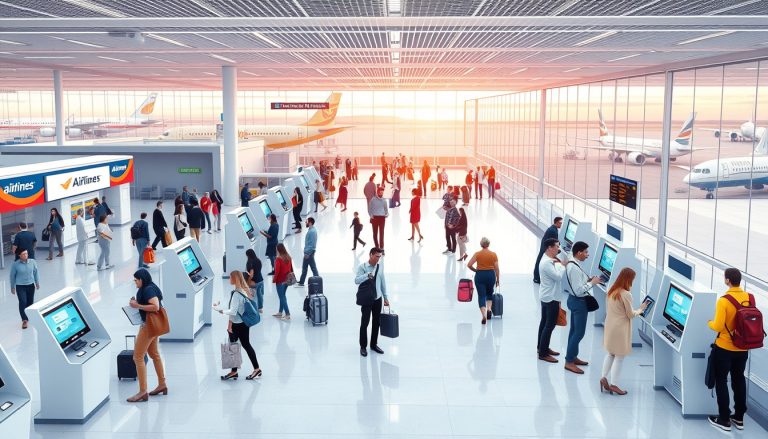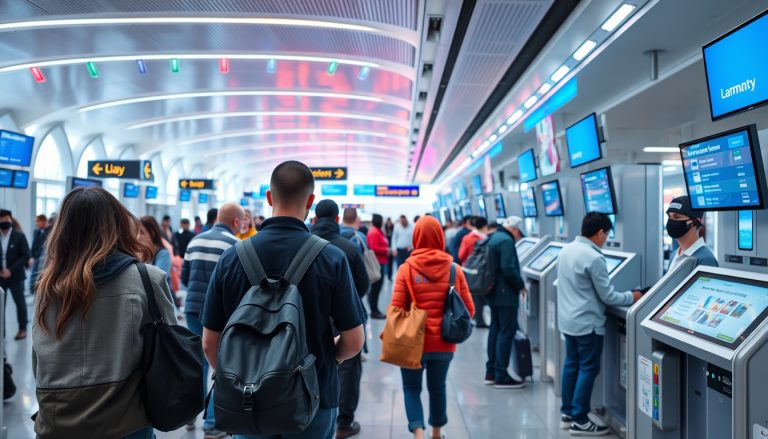
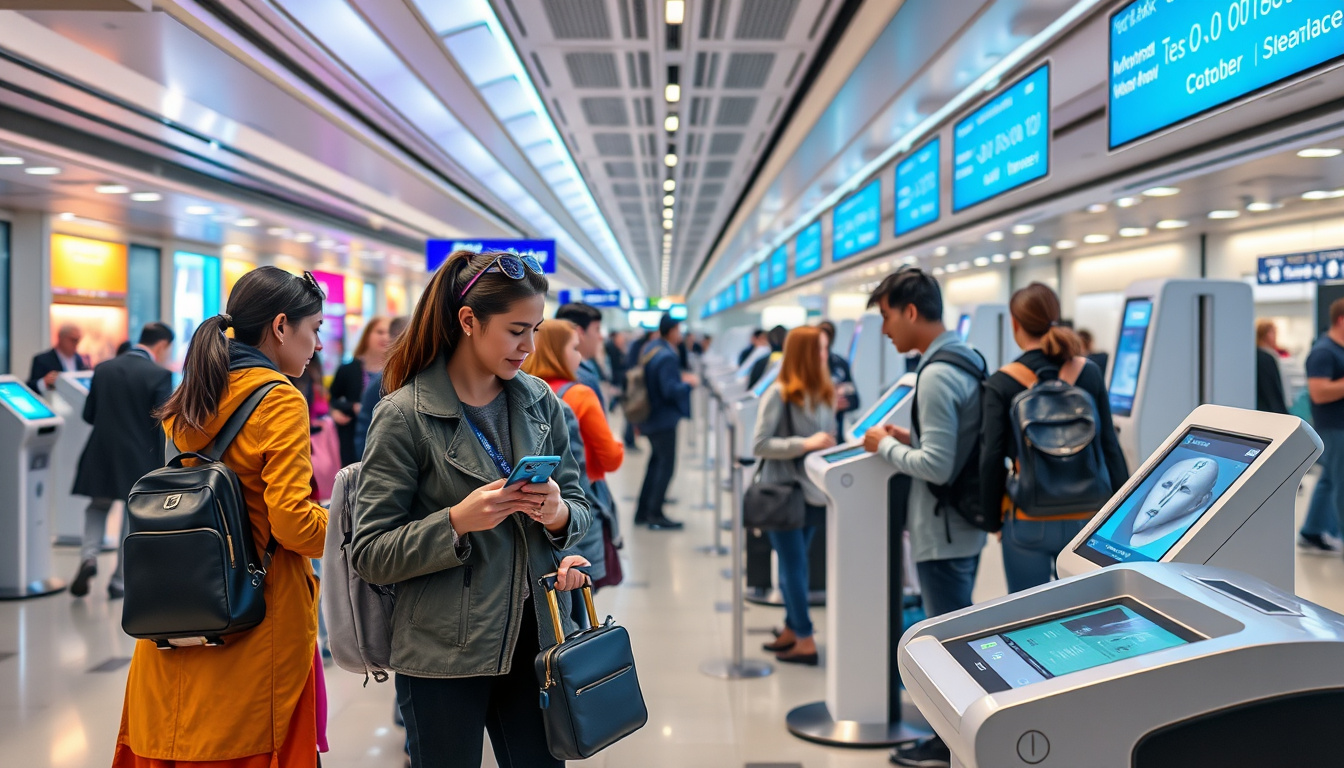
The airline industry has undergone significant changes over the past decade, and one of the most impactful shifts has been the digital payment transformation at major airlines. As travelers increasingly prefer convenient and secure payment options, airlines are adapting to meet these expectations. This article delves into the evolution of digital payment systems within the airline industry, highlighting the benefits they bring to airlines and passengers alike, the challenges faced during implementation, and the future trends that are likely to shape this dynamic landscape.
Nxt Travel – The aviation merchant specialists.
 processing.
Introduction to Digital Payment Systems in the Airline Industry
The digital payment transformation at major airlines has revolutionized the way passengers book flights and manage their travel experiences. With the rise of technology, airlines have shifted from traditional payment methods to more streamlined and efficient digital solutions. This transformation not only enhances customer convenience but also accelerates transaction processes, making it easier for travelers to secure their tickets online. Furthermore, as consumers increasingly prefer cashless transactions, major airlines are adapting to these changing preferences by incorporating advanced payment systems that support mobile wallets, contactless payments, and cryptocurrency options. Such innovations not only improve the overall customer experience but also drive operational efficiency and reduce costs associated with payment processing. As we delve deeper into the digital payment landscape, we will explore the significant advancements made by major airlines and the implications for the future of travel.
Benefits of Digital Payment Transformation for Airlines
In recent years, the trend of digital payment transformation at major airlines has become increasingly prominent, shaping the way passengers experience air travel. This transformation offers numerous benefits that not only enhance operational efficiency but also improve customer satisfaction. Firstly, implementing advanced digital payment solutions streamlines the payment process, reducing transaction times and minimizing checkout friction for travelers. Passengers can enjoy seamless transactions via mobile apps or websites, which caters to the growing preference for contactless payments. Moreover, digital payment transformation enables airlines to adopt data analytics strategies, allowing them to better understand consumer behavior and preferences. This insight facilitates personalized marketing campaigns, driving sales and fostering loyalty among frequent flyers. Furthermore, digital payment solutions enhance security, ensuring that sensitive customer information is protected against fraud and cyber threats. By embracing digital payment transformation, major airlines are positioning themselves at the forefront of technological advancements, thereby improving user experience and operational performance.
‘In the age of digital transformation, the key to success is not just to adapt to change, but to embrace it and lead the way.’ — Unknown
Nxt Travel – The aviation merchant specialists.
Challenges Airlines Face in Implementing Digital Payment Solutions
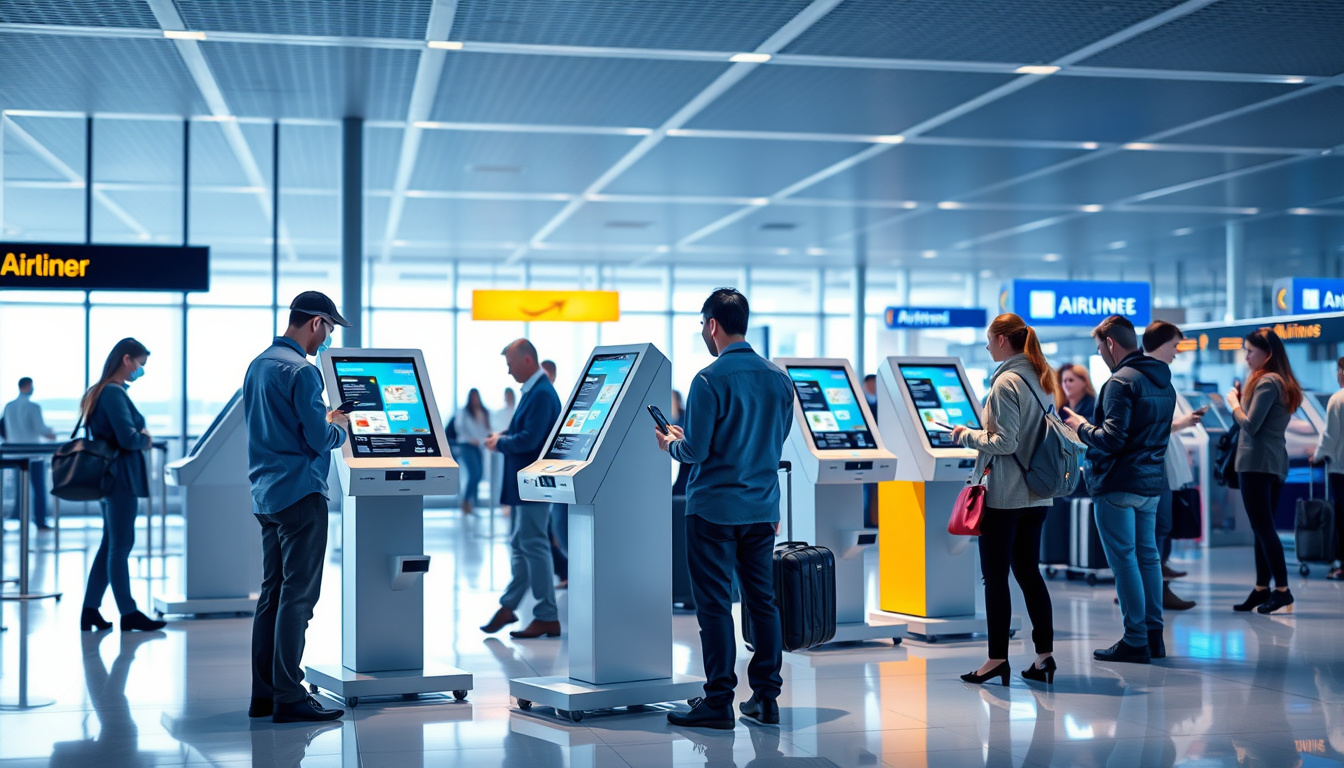
The digital payment transformation at major airlines has ushered in a new era of convenience and efficiency, yet it is not without its challenges. One of the primary hurdles airlines encounter is the integration of legacy systems with modern payment platforms. Many airlines still rely on outdated technology that complicates seamless transactions and can lead to discrepancies in payment processing. Additionally, ensuring data security and compliance with regulations such as PCI DSS is paramount, as the aviation industry is a lucrative target for cyber threats. Furthermore, varying consumer preferences in payment methods across different demographics require airlines to adopt a flexible approach, accommodating everything from mobile wallets to cryptocurrencies. Balancing these technological advancements while maintaining a user-friendly experience poses a significant challenge, necessitating strategic planning and investment from airlines aiming to capitalize on this digital payment transformation.
Future Trends in Digital Payments for Airlines
As we look toward the future of travel, the digital payment transformation at major airlines is set to revolutionize the way we book, pay, and experience air travel. The integration of innovative technologies such as blockchain, artificial intelligence, and mobile wallets is enhancing customer convenience and improving transaction security. For instance, airlines are increasingly adopting biometric payment solutions, allowing for a seamless and quick boarding process. These advancements not only streamline operations but also create a more personalized travel experience for passengers. Furthermore, the rise of contactless payment methods, accelerated by the global pandemic, is encouraging airlines to rethink their payment strategies, ensuring that they meet evolving consumer expectations. As competition intensifies, the digital payment landscape within the airline industry is expected to undergo significant transformation, paving the way for a more efficient and user-friendly payment ecosystem.