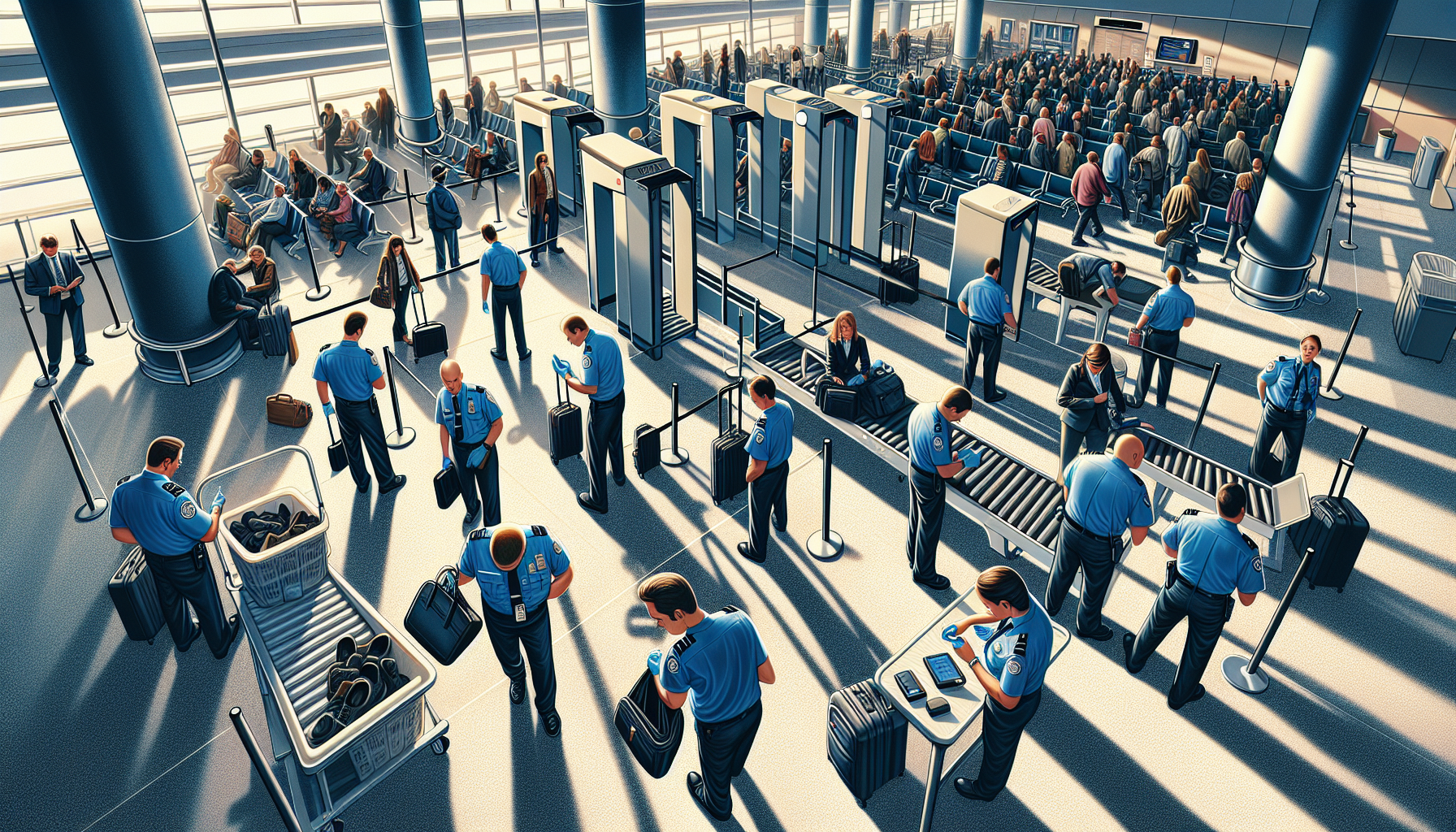
The U.S. Department of Homeland Security entered a partial funding shutdown early Saturday after Congress failed to pass appropriations bills before the midnight deadline. While this shutdown is narrower than the 43-day closure that crippled air travel in late 2025, travel industry groups are warning that TSA disruptions could cascade into serious operational headaches for airlines, airports, and passengers as the busy spring travel season approaches.
What Makes This Shutdown Different
Unlike last year’s government-wide funding lapse, this partial shutdown affects only DHS operations. Air traffic controllers employed by the Federal Aviation Administration remain fully funded through September 30, dramatically reducing the risk of widespread flight cancellations that characterized the 2025 crisis.
However, approximately 95% of Transportation Security Administration officers are classified as essential personnel and will continue working without pay. In a joint statement issued Friday, U.S. Travel, Airlines for America, and the American Hotel & Lodging Association warned that travelers “cannot afford to have essential TSA personnel working without pay, which increases the risk of unscheduled absences and call outs, and ultimately can lead to higher wait times and missed or delayed flights.”
The funding dispute centers on Democratic demands for new restrictions on Immigration and Customs Enforcement operations following recent incidents in Minnesota. Until those conditions are met, lawmakers have indicated DHS will remain without its annual funding allocation.
The Compounding Risk for Travel Merchants
For travel operators, payment processors, and industry vendors, TSA disruptions create a cascade of operational and financial complications that extend far beyond airport security lines.
Chargeback Vulnerability Increases
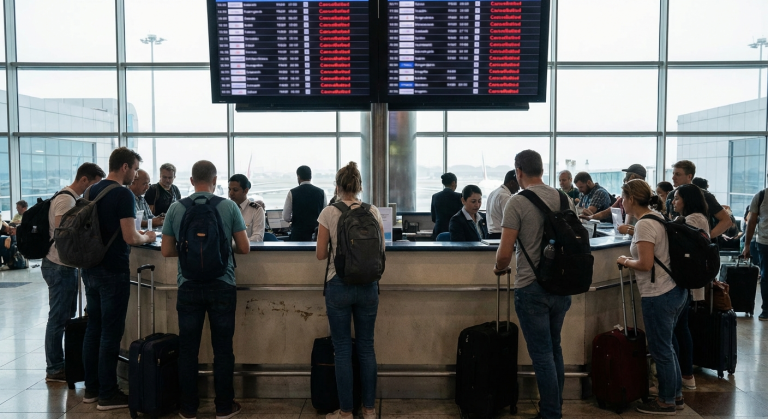
When travelers miss flights due to security delays, the resulting rebooking chaos often triggers disputed transactions. Passengers who miss connections because of TSA checkpoint closures frequently initiate chargebacks against airlines, hotels, and tour operators—even when the merchant isn’t at fault. During the 2025 shutdown, airlines reported elevated chargeback rates as frustrated customers disputed non-refundable bookings they couldn’t use.
Customer Service Costs Spiral
Each TSA-related delay generates a wave of customer service inquiries. Call centers see volume spikes of 40-60% during operational disruptions. For travel merchants operating on thin margins, the combination of increased service costs and delayed revenue recognition creates cash flow pressure that compounds over time.
Real-Time Payment Complications
Travel merchants relying on instant payment confirmation for seat upgrades, lounge access, or last-minute bookings face particular challenges. When operational disruptions cause booking systems to lag or fail, authorization holds may expire before final capture, resulting in declined transactions and abandoned carts.
Historical Precedent: The 2025 Shutdown Pattern
Aviation analysts note that disruptions during government shutdowns tend to build gradually rather than appearing immediately. During the 43-day 2025 shutdown, TSA was forced to temporarily close checkpoints at Philadelphia International Airport approximately one month into the funding lapse. Similar checkpoint reductions occurred at Atlanta, Miami, and Houston airports as unpaid officers called in sick or sought alternative employment.
The extraordinary step of grounding flights at LaGuardia Airport in January 2025—cited by many as the catalyst that ended the previous shutdown—remains a vivid memory for industry stakeholders. While this partial shutdown poses less systemic risk due to continued FAA funding, the pattern of escalating disruptions over time remains a serious concern.
Strategic Recommendations for Travel Merchants
Proactive Customer Communication
Merchants should establish clear communication protocols for customers traveling during the shutdown period. Automated alerts about potential security delays, paired with flexible rebooking policies, can significantly reduce chargeback rates and customer service volume.
Payment Authorization Buffer
Consider extending authorization hold periods for high-value travel purchases during the shutdown window. Standard 7-day holds may prove insufficient if operational disruptions delay fulfillment or customer travel.
Fraud Monitoring Adjustment
TSA disruptions create anomalous transaction patterns that can trigger false-positive fraud declines. Travel merchants should work with their payment processors to adjust risk thresholds during the shutdown period to account for irregular booking behaviors.
Contingency Planning for Spring Break
With the shutdown occurring just weeks before peak spring break travel, merchants should prepare contingency staffing and refund processing capacity. The combination of high passenger volume and potential TSA staffing shortfalls creates conditions for significant operational stress.
Outlook and Industry Response
Trade groups continue lobbying for a swift resolution, emphasizing the economic impact of travel disruptions. The U.S. Travel Association estimates that each day of significant air travel disruption costs the domestic travel economy approximately $200 million in lost revenue and productivity.
For payment processors and travel industry vendors, the shutdown underscores the operational vulnerability of travel merchants to external government actions beyond their control. Risk management strategies must account not only for traditional fraud and credit risk but for systemic disruptions stemming from political funding disputes.
Travel merchants should monitor TSA checkpoint status at key airports and maintain flexible cancellation and rebooking policies through the resolution of the funding dispute. The duration of the shutdown remains uncertain, with congressional negotiators showing no immediate signs of breakthrough.