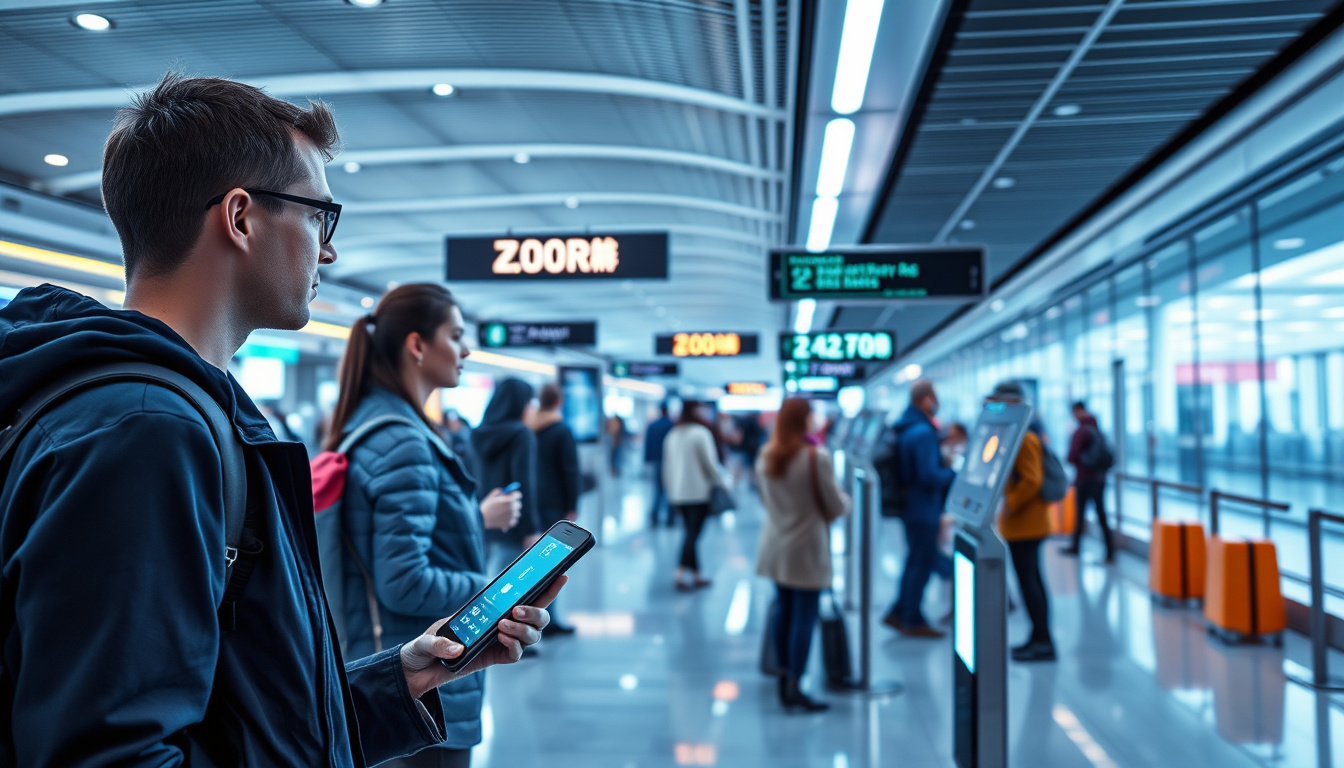
In recent years, the aviation industry has been transforming rapidly, embracing new technologies to enhance passenger experience and streamline operations. One of the most exciting advancements on the horizon is the introduction of biometric payments in aviation. This innovative system harnesses the power of unique biological characteristics, such as fingerprints or facial recognition, to facilitate secure and efficient transactions for both airlines and travelers. As we delve into this topic, we will explore the benefits of biometric payments for airlines and passengers, the challenges and considerations for implementation, and the future trends that might shape the landscape of the aviation sector.
Nxt Travel – The aviation merchant specialists.

Key Takeaways
- Biometric payments enhance customer experience by streamlining check-in and boarding processes.
- Airlines can reduce costs through decreased fraud and faster transaction processes with biometric technology.
- Implementation of biometric payments faces challenges such as privacy concerns and technical integration.
- Regulatory issues and the need for industry standards could impact the adoption of biometric systems.
- The future of aviation may see widespread biometric payment integration, driven by technological advancements and consumer demand.
Introduction to Biometric Payments in Aviation
The aviation industry is constantly evolving, embracing technological advancements to enhance passenger experience and streamline operations. One of the most promising innovations on the horizon is biometric payments coming to the aviation industry. These cutting-edge payment solutions leverage biometric data, such as fingerprints, facial recognition, and iris scans, to facilitate seamless transactions. By integrating biometrics into airport operations, airlines, and retailers, the aviation industry aims to reduce wait times, increase security, and elevate the overall travel experience. As we delve into the workings of biometric payments, we will explore how this technology is transforming the passenger journey, focusing on its benefits, implementation challenges, and real-world applications within airports.
Benefits of Biometric Payments for Airlines and Passengers
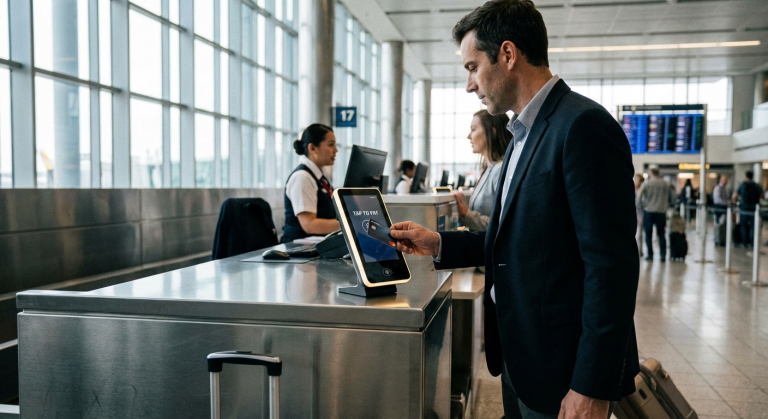
In recent years, biometric payments coming to the aviation industry have revolutionized the way airlines and passengers interact, offering a multitude of benefits for both parties. For airlines, integrating biometric payment systems enhances operational efficiency by streamlining check-in processes, reducing queues, and minimizing the likelihood of fraudulent transactions. This technology allows for seamless boarding experiences, enabling airlines to keep flights on schedule while improving customer satisfaction. Passengers, on the other hand, enjoy the convenience of quick and secure transactions, eliminating the need for physical tickets or boarding passes. With facial recognition and fingerprint scanning, travelers can breeze through security checks and make purchases without fumbling through wallets or bags. Additionally, this innovative payment solution enhances security, safeguarding sensitive financial information while providing peace of mind. As biometric payments continue to gain traction in the aviation sector, both airlines and passengers stand to benefit immensely, paving the way for a more efficient and user-friendly travel experience.
‘Technology is best when it brings people together.’ – Matt Mullenweg
Nxt Travel – The aviation merchant specialists.

Challenges and Considerations for Implementation
As biometric payments coming to the aviation industry gain momentum, it is essential to address the challenges and considerations surrounding their implementation. One of the primary obstacles is the integration of advanced biometric technology with existing aviation systems and infrastructure. Airlines and airports must invest in upgrading their technology, ensuring seamless connectivity between biometric authentication and various operational processes, such as check-ins and boarding. Additionally, privacy concerns play a significant role in this transition, as travelers may be apprehensive about sharing their biometric data. The industry must navigate stringent regulations and establish robust data protection measures to ensure public trust. Furthermore, the cost of deploying biometrics across airports, training staff, and educating travelers can be substantial, requiring a well-thought-out financial strategy to achieve a successful rollout. In addressing these challenges, stakeholders in the aviation sector can create a secure and efficient biometric payment ecosystem that enhances the travel experience.
Future Trends in Biometric Payment Technology
As the aviation industry continues to evolve, one of the most exciting advancements on the horizon is the implementation of biometric payments. This innovation promises to streamline transactions at airports and enhance the overall travel experience. Biometric payment technology utilizes unique physical characteristics such as fingerprints, facial recognition, or iris scans to enable secure and quick transactions, eliminating the need for traditional payment methods like credit cards or cash. As airlines and airport operators increasingly adopt biometric solutions, travelers can expect not only speedier check-ins and boarding processes but also heightened security, as biometric systems significantly reduce the risk of fraud. With a growing emphasis on contactless services, especially in the wake of the COVID-19 pandemic, biometric payments are poised to transform the way transactions are handled within the aviation industry, making air travel smoother and more efficient. As we look ahead, keeping an eye on these emerging trends in biometric payments is essential for both consumers and industry stakeholders.