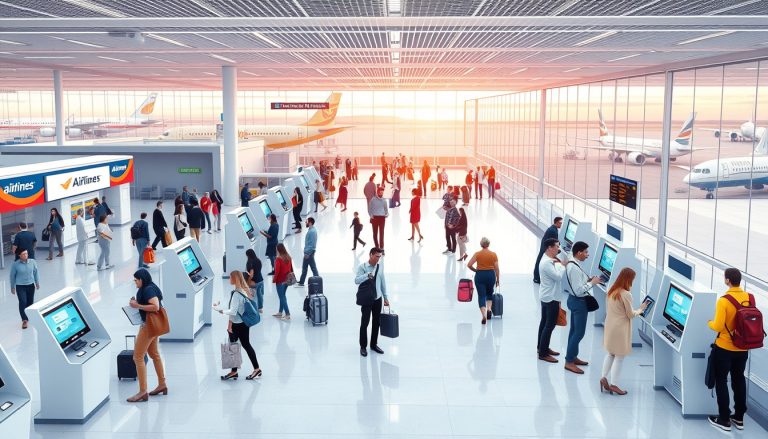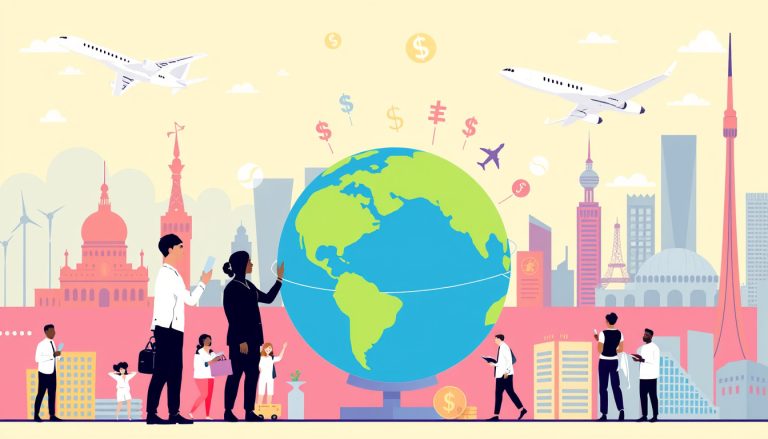
In the ever-evolving landscape of the airline industry, efficiency and customer satisfaction are paramount. One of the key components that significantly influences both factors is payment orchestration. This innovative approach to managing payment processes enables airlines to streamline operations, enhance customer experiences, and improve financial performance. In this article, we will explore the concept of payment orchestration for complex airline operations, its myriad benefits, the challenges airlines face during implementation, and the exciting future trends shaping this crucial aspect of the travel industry.
Nxt Travel – The aviation merchant specialists.

Key Takeaways
- Payment orchestration streamlines transactions across various payment methods for airlines.
- Implementing payment orchestration can enhance customer checkout experiences and increase conversion rates.
- Airlines face unique challenges in payment orchestration due to complex operational processes.
- Future trends indicate a growing reliance on AI and machine learning to optimize payment orchestration in airlines.
- Effective payment orchestration can lead to significant cost savings and improved operational efficiency in airline operations.
Understanding Payment Orchestration
Payment orchestration is a crucial aspect of modern e-commerce, especially for industries with complex operational frameworks, such as airlines. This innovative approach streamlines the payment process by integrating multiple payment gateways into a single platform, allowing airlines to manage transactions more efficiently. With payment orchestration for complex airline operations, airlines can optimize their payment workflows, minimize transaction failures, and provide a seamless experience for customers booking flights. This system not only enhances operational efficiency but also ensures that airlines can quickly adapt to diverse payment methods preferred by their global customer base. In an industry where time is of the essence and customer satisfaction is paramount, mastering payment orchestration is essential for airlines aiming to stay competitive and responsive in a rapidly evolving marketplace.
Benefits of Payment Orchestration in Airline Operations
Payment orchestration for complex airline operations is becoming an essential tool for airlines striving to enhance efficiency and customer satisfaction. By integrating multiple payment methods and streamlining the payment process, airlines can reduce transaction costs and simplify the customer experience. One of the key benefits of payment orchestration is its ability to manage cross-border payments, ensuring that customers from different regions can complete transactions with ease, thus broadening the airline’s market reach. Furthermore, it provides real-time tracking and reporting capabilities, allowing airlines to gain insights into payment performance and customer preferences. This data-driven approach enables airlines to optimize their payment strategies, ultimately leading to increased revenue and customer loyalty. Overall, the implementation of payment orchestration not only simplifies complex airline operations but also empowers airlines to provide a seamless and flexible payment experience for their customers.
‘The greatest danger in times of turbulence is not the turbulence; it is to act with yesterday’s logic.’ – Peter Drucker
Nxt Travel – The aviation merchant specialists.

Challenges in Implementing Payment Orchestration
Implementing payment orchestration for complex airline operations can present a myriad of challenges that stakeholders must navigate. One primary issue is the integration of diverse payment systems, as airlines often manage multiple payment gateways, currencies, and regulatory requirements across different jurisdictions. Synchronizing these various systems to facilitate seamless transactions requires significant technical expertise and investment in robust infrastructure. Additionally, airlines face the complexity of ensuring security and compliance while streamlining payment processes to enhance customer experiences. These challenges are further compounded by the need to adapt to changing consumer preferences and emerging payment technologies, which necessitate continuous updates and strategic planning in payment orchestration frameworks. Therefore, airlines must adopt a flexible approach, employing sophisticated tools that can efficiently handle the intricacies involved in their operational landscape.
Future Trends in Payment Orchestration for Airlines
As the airline industry continues to evolve, the future of payment orchestration for complex airline operations is shaping up to be both exciting and essential. With increasing passenger expectations and the need for agile business models, airlines are looking for innovative ways to streamline financial transactions while ensuring a seamless customer experience. One notable trend is the adoption of integrated payment solutions that allow airlines to manage multiple payment methods across various platforms effortlessly. This includes harnessing advanced technologies such as AI and machine learning, which facilitate real-time decision-making and fraud detection, thus enhancing security and operational efficiency. Furthermore, as regulations around data protection tighten, airlines are prioritizing solutions that comply with international standards, ensuring they maintain customer trust. All these factors point to a future where payment orchestration is not just a backend operation, but a critical component of strategic planning for airlines aiming to thrive in a competitive market.