The 2026 World Cup Is Triggering a Surge in Travel Fraud
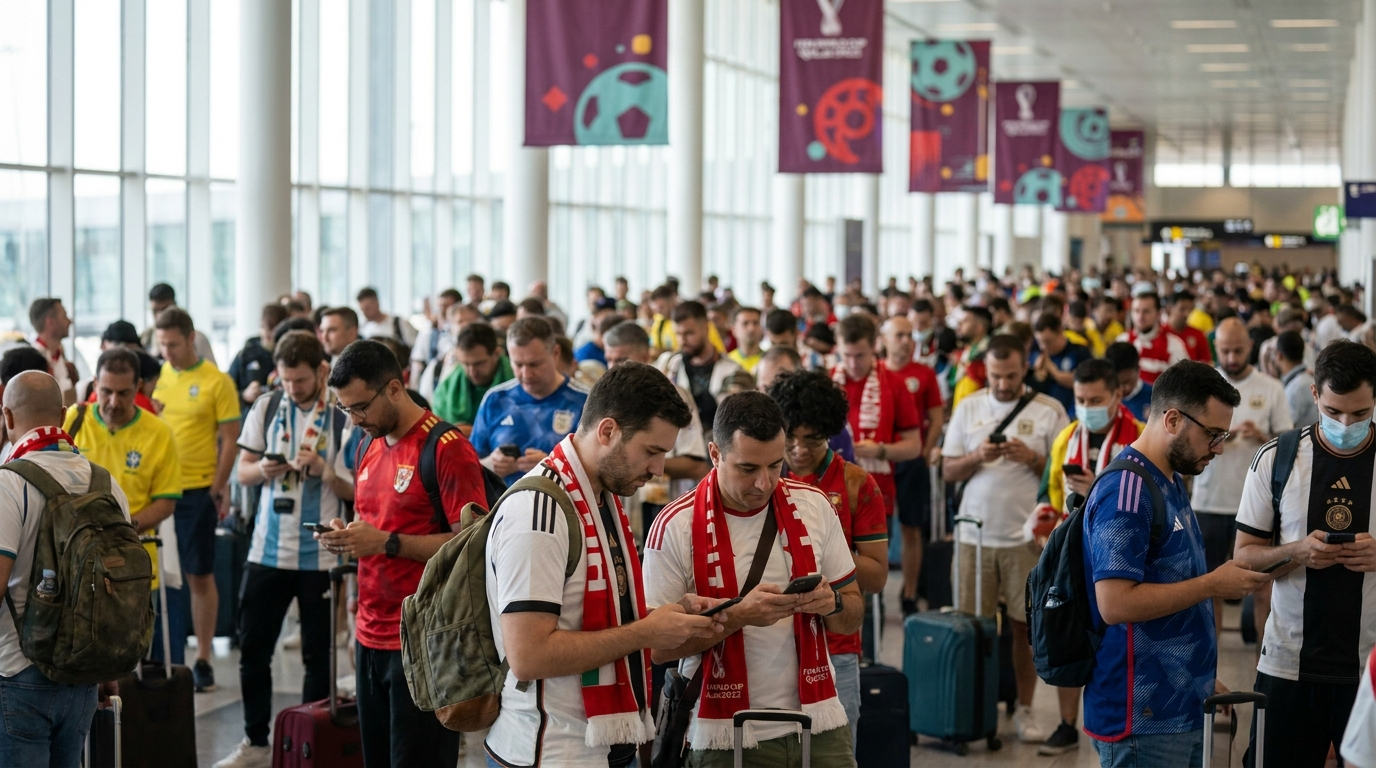
As the 2026 FIFA World Cup approaches, travel merchants and ticketing platforms are facing an unprecedented spike in fraud attempts. Cybersecurity researchers and payment specialists are warning that the tournament is already driving a significant rise in scams targeting fans booking travel, accommodation, and match tickets across North America.
Fake Tickets and Phony Packages
Recent findings from Lloyds Bank reveal a 36% increase in fake ticket scams directly tied to World Cup ticket demand. Consumers are losing an average of nearly $300 per fraud incident, with some victims reporting losses in the thousands of dollars. Scammers are operating fraudulent ticketing websites, counterfeit season ticket packages, and phishing pages designed to capture payment credentials.
The pattern is familiar to anyone who has tracked major sporting events: fraudsters capitalize on high demand and time pressure to lure fans into hasty transactions. The added complexity of cross-border payments for international visitors attending matches in the United States, Canada, and Mexico has made the problem worse.
Why Travel Merchants Are in the Crosshairs
For travel merchants, the World Cup fraud wave creates a dual challenge. First, fraudulent transactions can result in chargebacks that eat directly into revenue. Second, merchants who fail to add adequate fraud controls risk reputational damage and potential liability.
Spreedly, a payments orchestration platform serving travel and ticketing clients, has flagged the surge and is urging merchants to review their checkout flows, payment routing, and fraud scoring tools before the tournament kicks off. The company notes that travelers are increasingly expecting one-click booking experiences tied to loyalty programs, which creates more attack surface for credential stuffing and account takeover attempts.
What Merchants Can Do Now
Industry experts recommend several concrete steps travel merchants should take before the World Cup:
- add multi-factor authentication on all loyalty account logins and payment credential storage. This makes credential stuffing attacks far less effective.
- Review payment routing to ensure transactions are routed through fraud detection tools appropriate for high-risk periods.
- Add velocity controls that flag or block transactions where multiple booking attempts occur from the same IP or device in a short window.
- Educate customer-facing staff on common World Cup scam narratives so they can assist customers who may be targeted.
- Audit refund and cancellation policies to ensure they cannot be weaponized by fraudsters processing fraudulent refunds.
The Cross-Border Payment Complexity Problem
Unlike previous World Cups held in single countries, the 2026 tournament spans three nations and multiple currencies. This creates friction in payment authorization and opens opportunities for currency conversion scams and man-in-the-middle attacks on international transactions. Merchants offering multi-currency checkout should verify their payment processor’s fraud controls are calibrated for this environment.
Travelport’s recent launch of TripServices, an AI-powered travel booking platform, reflects a broader industry push toward smarter payment routing. Merchants using modern payment orchestration can dynamically route transactions through providers with the lowest fraud rates for specific card types, geographies, and transaction profiles.
Bottom Line for Travel Merchants
The World Cup presents a real revenue opportunity for travel merchants, but only if fraud controls scale alongside transaction volume. Merchants who invest in payment security now will avoid the chargeback pain that typically follows major sporting events. The window to harden defenses is narrowing as kickoff approaches.
Sources: The Paypers, Finopotamus, FinTech Magazine