Mobile wallets and open banking are reshaping travel payments
Travel payments are moving away from plastic cards and desk-bound terminals. In markets across Asia and beyond, tourists are increasingly paying with the same mobile wallets and banking apps they use at home. For travel merchants, this shift is not just a UX tweak. It is a structural change in how money moves across borders, how risk is managed, and where margin gets made or lost.
Over the past two years, companies like Ant International, Alipay+, and specialist fintechs serving airlines and online travel agencies have accelerated the rollout of QR-based and account-to-account (A2A) payment options. Open banking “Pay by Bank” flows, multi-currency wallets, and cross border wallet interoperability are moving from nice-to-have to competitive baseline for platforms that sell flights, hotels, and destination experiences.
Why travel needs new payment rails
The travel industry sits on top of some of the most complex payment flows in commerce. Booking paths run across time zones, currencies, and a tangle of suppliers that includes airlines, hotel groups, bed banks, tour operators, and consolidators. That complexity shows up in four pain points that classic card-only setups struggle to solve.
- High cross border costs. Traditional card acquiring can stack scheme fees, FX spreads, and gateway charges on every ticket or room night.
- Chargeback and fraud exposure. Airlines and online travel agencies operate in a high risk category, with friendly fraud and non-delivery disputes eroding margin.
- Slow settlement and reconciliation. Funds often take days to land, while finance teams reconcile large volumes of transactions from multiple providers.
- Multi currency expectations. Travelers expect to pay in their local currency and see real time FX, not opaque conversion at check out.
Fintech providers focused on travel are building directly into these gaps. Genome, for example, highlights how multi currency wallets, real time FX, automated reconciliation, and Pay by Bank options can reduce chargebacks and speed settlement for travel merchants. Their view is that the high transaction volume and global footprint of travel makes it a natural fit for more efficient rails and smarter payment orchestration.
What open banking and Pay by Bank change for travel
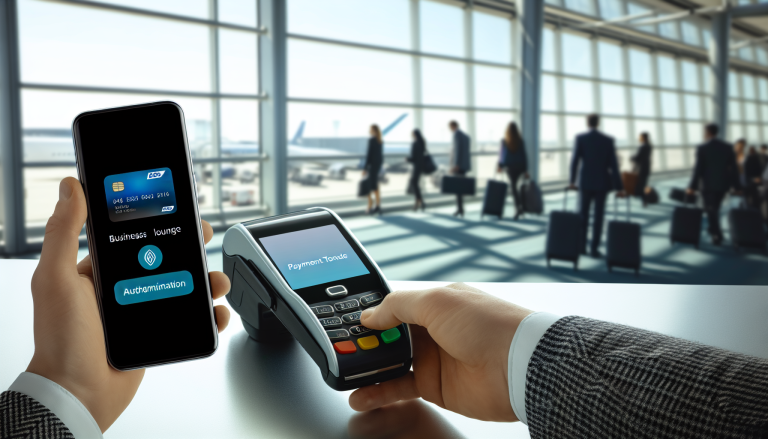
Open banking allows travelers to pay directly from their bank account through a secure API connection, often described as “Pay by Bank.” Instead of entering card details, the customer authorizes their bank to push funds directly to the merchant or to a payment institution that manages the transaction. For travel merchants this matters in several ways.
- Lower failure rates at checkout. Genome notes that Pay by Bank can reduce failed payments because there is no card number to mistype and fewer 3DS step up frictions.
- Potentially lower acceptance costs. Account to account transfers can remove parts of the card cost stack, especially on high value bookings.
- Improved cash flow. Settlement can be faster and more predictable compared with traditional card clearing cycles.
- Stronger authentication. Bank side strong customer authentication can reduce certain fraud and chargeback risks.
For global online travel agencies and larger tour operators, Pay by Bank is becoming another switch in the payment routing engine. The merchant or its gateway can steer some traffic away from cards where banks, regulators, and local payment culture support open banking. That is particularly relevant in European outbound travel and in markets where domestic A2A schemes are widely adopted.
Super apps, mobile wallets, and destination strategies
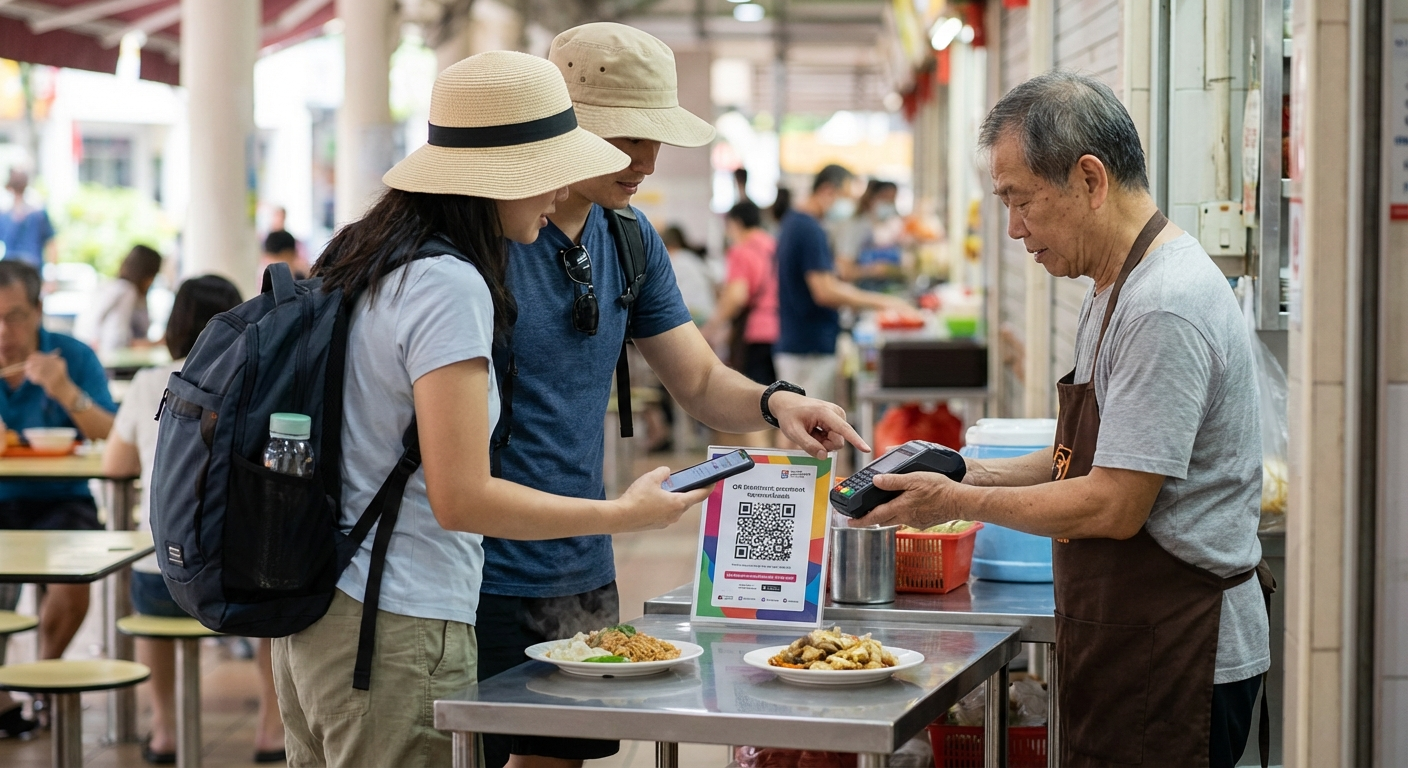
At the same time, super apps and mobile wallets are reshaping how tourists pay on the ground. Alipay+ is a clear example. The Singapore Tourism Board (STB) and Ant International recently renewed a multi year partnership that leans heavily on Alipay+ to power mobile discovery and payments for visitors. According to Fintechnews Singapore coverage of the deal, Alipay+ transactions in Singapore rose 36 percent year on year in 2025, with SGQR spending nearly tripling and benefiting neighbourhood merchants and hawker stalls.
The renewed partnership lets merchants accept 25 international e wallets and banking apps via Alipay+. Travelers from 17 countries and regions can pay with the apps they already trust, rather than juggling unfamiliar local wallets or cash. Ant International and STB plan to use the shared data to understand how visitors move, what they buy, and which micro segments respond to specific campaigns, all in support of Singapore’s longer term Tourism 2040 roadmap.
From a travel merchant’s point of view, that data driven wallet strategy shapes where demand shows up. Hotels, attractions, and small merchants that plug into Alipay+ or similar mobile wallet ecosystems can tap marketing support, in app discovery, and promotional placement that card-only competitors do not see.
Global wallet acceptance is becoming table stakes
Outside Singapore, Alipay+ is positioning wallet interoperability as a way to simplify cross border tourism. Reporting by PYMNTS.com on Alipay+ travel initiatives notes that the network now supports more than 100 markets, with partner wallets that reach roughly 1.8 billion users. The same coverage cites a company figure that more than 6.5 million digital wallet users used Alipay+ cross border payments for the first time in the first half of 2025.
PYMNTS Intelligence research adds a useful demand side view. In its travel focused work, 74 percent of travelers surveyed considered digital wallets essential to their trip. Usage is especially high among affluent and millennial travelers, with adoption rates in the eighties. That is the exact demographic that many airlines, hotel brands, and destination marketing organizations are fighting over.
At the same time, only about half of small and mid sized U.S. Businesses use digital wallets for cross border payments, and many cite concerns around security and interoperability. That gap between consumer normalization and merchant hesitation is visible in travel too. Larger platforms and chains are usually early adopters of wallets and A2A schemes. Independent hotels, tour operators, and ground suppliers often wait until acquirers or aggregators package the capability for them.
How travel merchants can respond
For players across the travel value chain, the shift to mobile wallets and A2A payments is now a question of “how” rather than “if.” Three moves stand out.
- Map your customer journey by market. Identify which source markets already treat digital wallets as default. For those corridors, focus on wallet acceptance at every touchpoint from booking to check in to on property upsell.
- Work with acquirers and fintech partners that understand travel. Travel specific providers like Genome and wallet ecosystems like Alipay+ focus on multi currency, complex payouts, and fraud patterns that generic processors may not handle well.
- Test Pay by Bank where it is most likely to work. Start with high value, card present or strong KYC scenarios such as corporate bookings, frequent flyer segments, or direct bookings in markets where open banking is mature.
None of these shifts mean that cards disappear. Instead, cards become one rail among several. The winners in this industry trend will be travel merchants and payment providers that match the right payment method to the right customer and journey, while quietly improving authorization rates, settlement speed, and margins in the background.
Key takeaways
- High cross border costs, chargebacks, and slow settlement make travel a natural fit for newer payment rails.
- Open banking Pay by Bank options can reduce failed payments, lower some acceptance costs, and improve cash flow for travel merchants.
- Super apps and wallets like Alipay+ are becoming part of destination strategy, not just a payment option, as shown by the Singapore Tourism Board partnership.
- Travelers, especially affluent and younger segments, already see digital wallets as essential. Many smaller merchants are still catching up.
- Travel companies that align wallet acceptance, Pay by Bank, and traditional cards with specific markets and journeys will be better positioned as these trends accelerate.