
In the dynamic world of air travel, airlines operate in an increasingly competitive landscape where every operational decision impacts the bottom line. One of the most critical components of an airline’s operations is its payment processing system, which is often overlooked but holds significant importance. Understanding the payment processing costs associated with legacy systems versus modern systems is essential for airlines striving to enhance operational efficiency and improve customer experience. This article delves into the differences between these two types of payment systems, explores their impact on efficiency and customer satisfaction, and examines future trends that may shape the way airlines handle payments.
Nxt Travel – The aviation merchant specialists.

Key Takeaways
- Legacy airlines often face higher payment processing costs due to outdated systems.
- Modern airlines leverage advanced technology to optimize payment processing efficiency.
- The choice of payment system significantly impacts customer experience and satisfaction.
- Operational efficiency is enhanced in modern airlines through streamlined payment processes.
- Future trends indicate a shift towards more integrated and automated payment solutions in the airline industry.
Introduction to Payment Processing in Airlines
Payment processing costs are a critical consideration for both legacy and modern airlines as they navigate the complexities of consumer payments in a rapidly evolving market. Historically, legacy airlines have maintained aged systems that may not respond flexibly to new payment technologies, thus incurring higher transaction fees and longer processing times. In contrast, modern airlines are increasingly adopting state-of-the-art payment solutions that not only streamline operations but also reduce costs associated with payment processing. This shift allows them to offer competitive pricing and enhances the customer experience by facilitating faster, more secure transactions. Understanding the differences in payment processing costs between legacy and modern airlines can help stakeholders make informed decisions on technology investments and operational strategies. As we delve deeper into the essentials of payment processing, it becomes clear that the right technology and practices can significantly impact an airline’s bottom line.
Comparative Analysis of Legacy and Modern Payment Systems
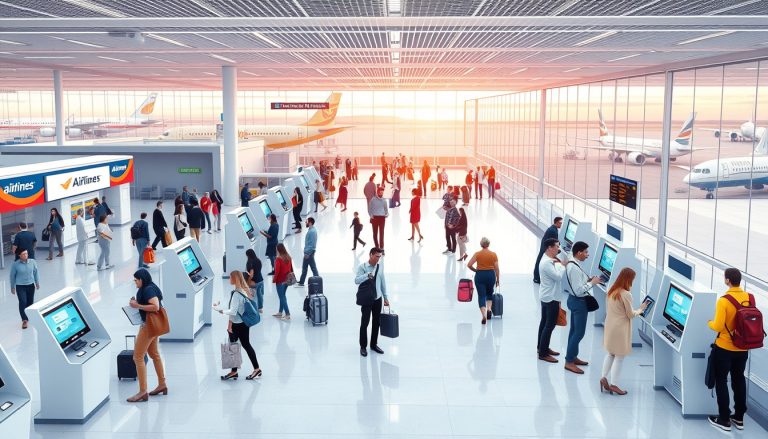
In the realm of aviation, understanding the nuances of payment processing costs is crucial for both airlines and passengers. The comparative analysis of legacy and modern payment systems unveils significant disparities in efficiency and cost-effectiveness. Legacy payment systems, often characterized by outdated infrastructure, typically incur higher transaction fees and longer processing times. These older systems can result in frustrating delays, impacting customer experience and operational agility. In contrast, modern payment systems leverage advanced technology such as cloud computing and artificial intelligence, which not only streamline transactions but also dramatically reduce payment processing costs. Airlines that transition to these innovative platforms not only enhance the speed and reliability of their payments but also gain valuable insights into customer behaviors and preferences, ultimately allowing for more tailored service offerings. Consequently, as the aviation industry continues to evolve, airlines must adapt by embracing modern payment solutions to remain competitive and efficient.
‘In the world of commerce, efficiency is not just a number, it’s a competitive edge.’ – Unknown
Nxt Travel – The aviation merchant specialists.

Impact on Operational Efficiency and Customer Experience
As the aviation industry continues to evolve, understanding payment processing costs: legacy vs modern airlines becomes crucial for optimizing operational efficiency and enhancing customer experience. Legacy airlines, often burdened by outdated technology and inflexible systems, typically face higher payment processing costs due to inefficient transaction handling and slower payment gateways. This affects not only their bottom line but also their ability to provide seamless service to customers. In contrast, modern airlines leverage advanced payment processing technologies that reduce transaction times and operational overhead, resulting in lower costs and improved service delivery. By adopting modern payment solutions, airlines can streamline their operations, significantly lowering fees associated with payment processing, which enables them to invest more in customer-centric initiatives. Ultimately, the shift from legacy systems to modern payment methods not only fosters greater financial sustainability but also enhances the traveller’s journey, making it smoother and more efficient.
Future Trends in Airline Payment Processing
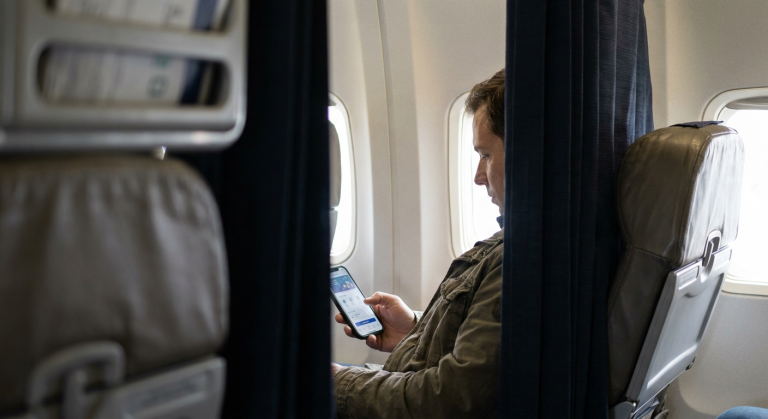
As the airline industry continues to evolve, one of the critical components influencing its financial health is payment processing costs: legacy vs modern airlines. Traditional airlines, often constrained by outdated systems, face higher payment processing costs due to the inefficiencies of their legacy systems. These older platforms are not only costly to maintain but also lack the advanced features that modern payment solutions offer, leading to prolonged transaction times and increased fees. On the other hand, modern airlines are leveraging cutting-edge technologies, such as mobile wallets and integrated payment gateways, which streamline the payment process and reduce expenses. By adopting innovative payment processing solutions, modern airlines can offer more competitive pricing and enhance customer experiences, driving their success in a fast-paced market. This shift not only highlights the importance of re-evaluating payment processing strategies but also underscores the urgency for legacy airlines to adapt or risk falling behind their more agile counterparts.