The “Trump Slump” Deepens: U.S. Tourism Faces Historic Reversal as Key Markets Pull Back
The United States has earned an unwelcome distinction in the global travel economy. In 2025, it was the only major tourist destination worldwide to record a decline in international visitors. The trend is accelerating into 2026, with travelers from Canada, Germany, India, and the United Kingdom leading what industry analysts are calling a measurable pullback from the American market.
For travel merchants, airlines, and hospitality operators, this is not merely a political story. It is a direct hit to revenue, occupancy rates, and forward bookings at a time when global tourism elsewhere is posting gains.
The Numbers Tell the Story
According to recent industry data, international arrivals to the U.S. Fell by 5.4% in 2025, a sharper decline than the one experienced during the 2017-2018 period, previously considered the low point for American tourism outside of the COVID-19 pandemic. The Independent reported that the U.S. Was alone among major destinations in seeing visitor numbers drop, even as global tourism expanded.
The revenue impact is equally stark. Unite Here, the hospitality union representing 300,000 workers across North America, documented a $1.2 billion decline in U.S. Tourism revenue between September 2024 and September 2025, representing a 5.5% year-over-year contraction.
Why Travelers Are Staying Away
Several factors are converging to dampen international demand for U.S. Travel. Stricter visa requirements, enhanced border controls, and the controversial implementation of social media vetting for entry have created friction that leisure and business travelers alike find difficult to justify.
The New York Times documented the human side of this shift, reporting on Michelle Cowley, a London-based communications specialist who canceled a $16,000 Walt Disney World vacation after her children expressed fears about recent ICE incidents. Comments by President Trump in January, including threats regarding Greenland and criticisms of NATO allies, reportedly cemented the family’s decision to vacation elsewhere.
Canadian travelers, traditionally the largest source of international visitors to the U.S., have shown particular sensitivity to diplomatic tensions. Trade disputes and inflammatory rhetoric have fueled a consumer-driven backlash, with Canadian travel to the U.S. Falling measurably in early 2026.
Industry Pain Points
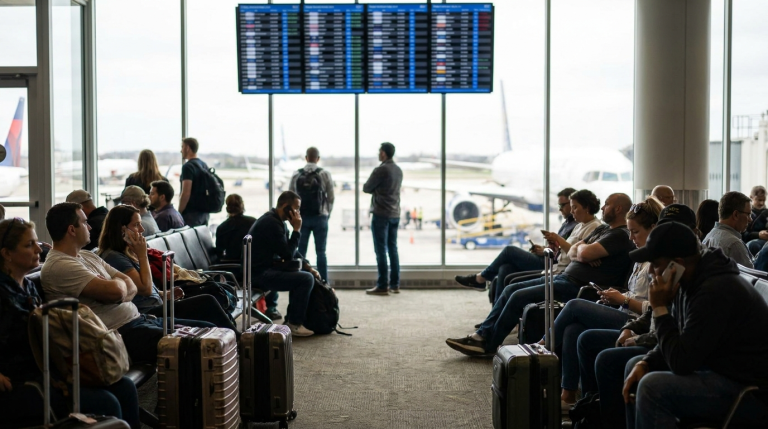
The impact is cascading through the travel ecosystem. Airlines including United and American have reported softening demand on transatlantic and trans-Pacific routes. Hotel operators in gateway cities are seeing occupancy pressure, particularly in markets dependent on international visitation.
The hospitality sector faces a dual challenge. Not only are international visitors staying away, but the industry’s workforce is being disrupted. Unite Here reported that 98,000 hospitality jobs disappeared between December 2024 and December 2025. Union representatives cite immigration enforcement actions that have detained authorized workers, including 16 airport employees at Minneapolis-St. Paul International Airport who had passed TSA background checks.
“We need immigrant workers. They’re an important part of our workforce,” said Wade Lüneburg, political director for Unite Here Local 17. “Many of our members have been afraid to go to work.”
Merchant Implications
For travel merchants and payment processors, the downturn carries specific operational considerations:
- Chargeback risk: Cancellations of prepaid vacation packages and non-refundable bookings are rising, particularly from European and Canadian markets.
- Currency exposure: As demand softens, pricing pressure may force U.S. Operators to offer deeper discounts, compressing margins for merchants operating in dollars.
- Fraud indicators: The shift toward alternative destinations may trigger changes in transaction patterns that fraud detection systems should be calibrated to recognize as legitimate rather than suspicious.
Looking Ahead
The timing could hardly be worse. The U.S. Is scheduled to host the FIFA World Cup in 2026, an event expected to draw millions of international visitors. Early indicators suggest that some fans may opt to follow their teams from abroad rather than face the current entry environment.
For an industry that contributes nearly $2 trillion to the U.S. Economy annually, the reversal represents more than a temporary blip. It signals a potential structural shift in how the United States is perceived as a destination, one that may persist even if policy conditions change.
Travel merchants should prepare for continued softness in international bookings and consider diversifying their marketing focus toward domestic travelers while the global situation remains unsettled.
Sources: