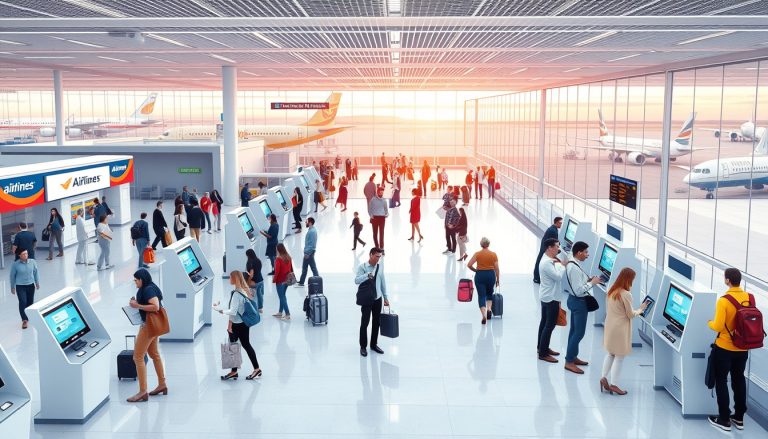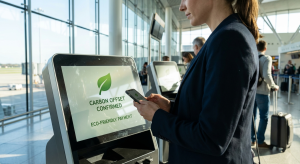

In the ever-evolving world of aviation, customer experience and operational efficiency are paramount. One crucial element that significantly influences both these factors is the role of Payment Service Providers (PSPs). As travelers increasingly demand seamless and secure transactions, understanding the role of payment service providers in aviation has become essential for airlines looking to enhance customer satisfaction and streamline operations. In this article, we will explore what PSPs are, how they improve the aviation customer experience, ensure security and compliance in transactions, and the future trends and innovations that are shaping the landscape of payment services in the airline industry.
Nxt Travel – The aviation merchant specialists.

Key Takeaways
- Payment Service Providers (PSPs) facilitate smooth financial transactions in the aviation industry.
- PSPs enhance the customer experience by offering multiple payment options and streamlined processes.
- Security and compliance are essential roles of PSPs, ensuring safe transactions in aviation.
- PSPs are crucial in maintaining regulatory compliance amid evolving payment standards in aviation.
- Future innovations by PSPs will likely focus on digital wallets and blockchain technology to improve efficiency.
Introduction to Payment Service Providers (PSPs)
As the aviation industry continues to evolve, the role of Payment Service Providers (PSPs) in aviation has become increasingly fundamental to ensuring smooth and efficient transactions. By acting as intermediaries between airlines, travel agents, and customers, PSPs facilitate the processing of payments for flights, baggage fees, ancillary services, and more. They offer a range of essential services, including secure online payment gateways, fraud prevention measures, and multi-currency support, which are crucial in catering to the global nature of travel. Furthermore, the integration of advanced technologies like mobile payments and digital wallets by PSPs enhances the customer experience by providing convenient and flexible payment options. Ultimately, the role of Payment Service Providers in aviation is pivotal, as they not only streamline revenue collection but also contribute to customer satisfaction and trust within the travel sector.
How PSPs Enhance the Aviation Customer Experience
In today’s digital age, the aviation industry is evolving rapidly, and one of the key players in this transformation is the Payment Service Provider (PSP). The role of payment service providers in aviation is pivotal, as they facilitate seamless financial transactions for airlines, airports, and travel agencies, enhancing the overall customer experience. By integrating advanced payment solutions, PSPs enable a more efficient booking process, allowing passengers to choose from multiple payment methods, including credit cards, digital wallets, and even cryptocurrencies. This flexibility not only boosts customer satisfaction but also reduces cart abandonment rates during online purchases. Moreover, by ensuring secure transactions and compliance with global regulations, payment service providers build trust between customers and aviation companies. Ultimately, the strategic implementation of PSPs in the aviation sector serves to streamline operations, minimize costs, and foster loyalty among travelers, making their journey not only smoother but also more enjoyable.
‘The key to successful transformation is to embrace change, adapt rapidly, and innovate continuously.’ – John Chambers
Nxt Travel – The aviation merchant specialists.

Security and Compliance in Aviation Transactions
In today’s dynamic aviation industry, security and compliance are increasingly crucial, especially when it comes to transactions. Payment Service Providers (PSPs) play a pivotal role in ensuring that these transactions are both secure and compliant with regulatory standards. As aviation transactions often involve significant financial amounts and sensitive passenger data, PSPs implement advanced encryption technologies and fraud detection mechanisms to protect all parties involved. Moreover, they help aviation businesses navigate complex legal landscapes by adhering to international compliance regulations, such as the General Data Protection Regulation (GDPR) and Payment Card Industry Data Security Standard (PCI DSS). This compliance not only safeguards against potential breaches but also fosters trust among consumers, making the role of payment service providers in aviation transactions invaluable.
Future Trends and Innovations in Payment Services for Airlines
As the aviation industry continues to evolve in the wake of technological advancements and changing passenger expectations, the role of payment service providers in aviation is becoming increasingly critical. Future trends indicate a significant shift towards more innovative and streamlined payment solutions that enhance customer experience and operational efficiency. Airlines are likely to adopt mobile wallets and contactless payment systems, driven by the demand for convenience and safety from travelers. Payment service providers will play a pivotal role in integrating advanced payment analytics, offering airlines insights into consumer behavior and preferences, thus enabling them to tailor their offerings effectively. Furthermore, the rise of blockchain technology may introduce new levels of security and transparency in transaction processes, reinforcing trust and operational integrity. As airlines explore alternatives to traditional payment methods, the partnership with agile and adaptive payment service providers will be essential to navigate the complexities of global transactions, ultimately shaping the future of payment services in aviation.