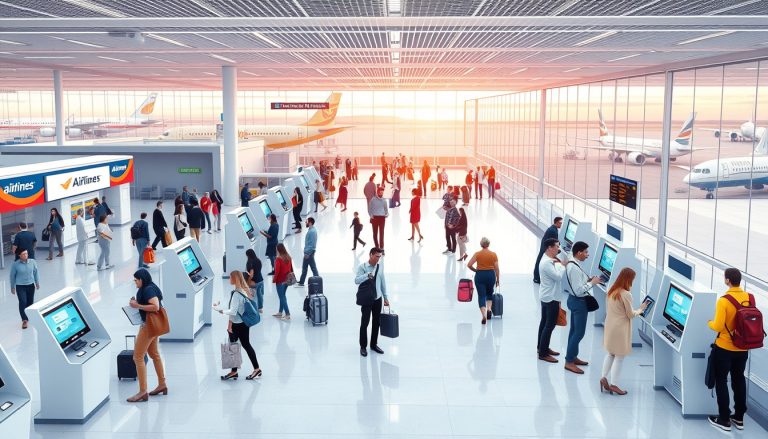
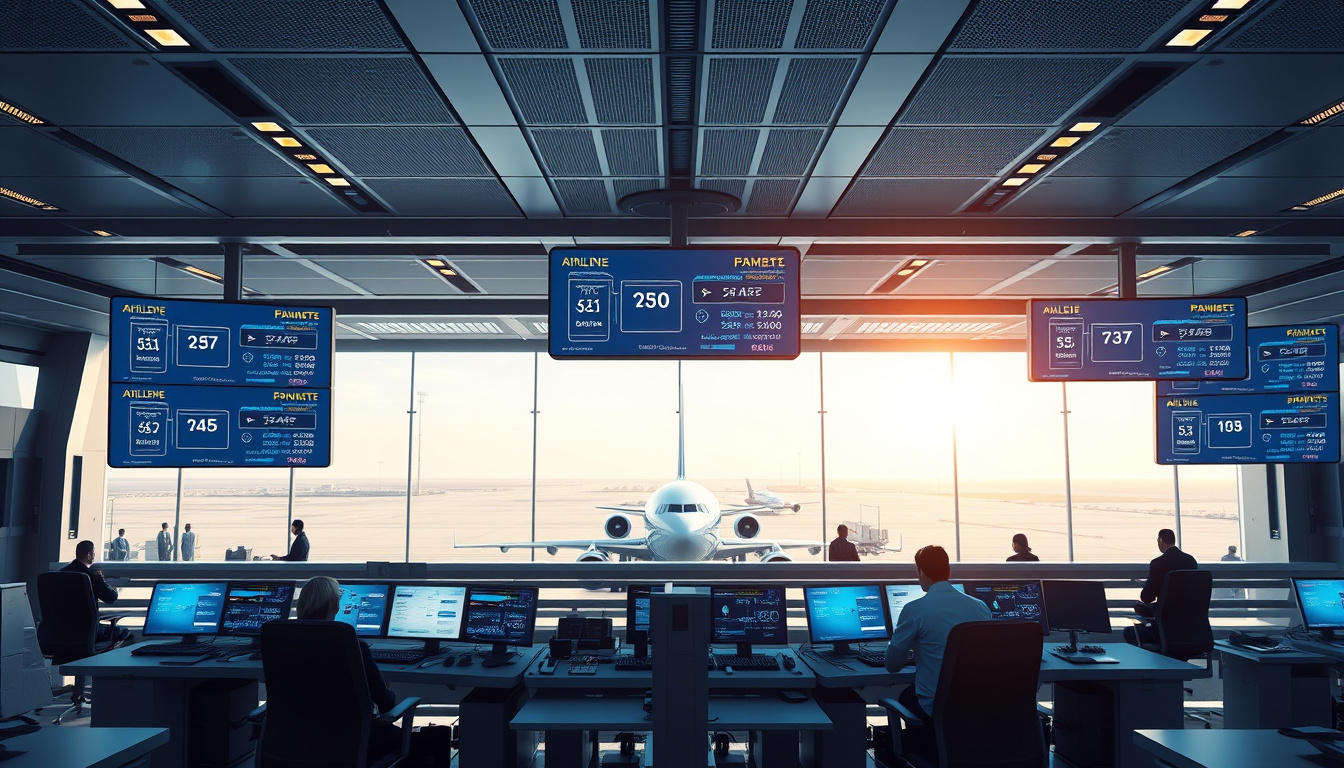
In the fast-paced and highly competitive realm of airline operations, ensuring seamless transactions is critical to maintaining customer satisfaction and operational efficiency. One way airlines are achieving this is through implementing payment gateway redundancy for airline operations. This strategy not only mitigates risks associated with system downtimes but also enhances overall service reliability. In this article, we will delve into the concept of payment gateway redundancy, explore its significance in the airline industry, guide you through implementing redundant payment systems, and highlight case studies of airlines that have successfully adopted this approach.
Nxt Travel – The aviation merchant specialists.

Key Takeaways
- Payment gateway redundancy ensures uninterrupted service during peak operational times.
- Redundant systems can reduce transaction failures and enhance customer satisfaction.
- Implementing a failover solution is crucial to sustain airline operations without disruptions.
- Successful case studies highlight the effectiveness of redundancy in mitigating payment risks.
- Investing in multiple payment gateways can safeguard against potential downtimes.
Understanding Payment Gateway Redundancy
In today’s digital landscape, ensuring seamless transactions is paramount, especially in the airline industry where customer satisfaction hinges on hassle-free booking experiences. This is where payment gateway redundancy for airline operations comes into play. Payment gateway redundancy refers to the implementation of multiple payment processing systems to avoid disruptions in service due to technical failures. Having a robust backup in place allows airlines to maintain transaction flow, reduce downtime, and enhance reliability during peak sales periods or unexpected system outages. By incorporating redundant systems, airlines can ensure that passengers can book flights effortlessly, thus promoting customer loyalty and safeguarding revenue streams. Understanding and investing in payment gateway redundancy not only protects the airline’s bottom line but also reinforces their commitment to delivering an exceptional travel experience.
Importance of Redundancy in Airline Operations
In the highly competitive world of airline operations, ensuring a seamless travel experience for customers is paramount, and one vital aspect that contributes to this is Payment Gateway Redundancy for Airline Operations. Payment gateway redundancy is crucial because it prevents downtime and ensures that airlines can process transactions smoothly, even in the event of a system failure or high demand periods. By implementing multiple payment gateways, airlines can mitigate the risks associated with payment processing disruptions. This redundancy not only enhances customer satisfaction by providing reliable and fast payment services but also minimizes potential revenue loss due to transaction failures. In an industry where every second counts and customer expectations are ever-increasing, establishing a robust payment gateway strategy is essential for maintaining operational efficiency and sustaining a competitive edge.
‘In times of change, the best way to succeed is to embrace it.’ – John H. McCarthy
Nxt Travel – The aviation merchant specialists.

Implementing Redundant Payment Systems
In the highly competitive airline industry, ensuring smooth financial transactions is critical for operational success. One effective strategy that leading airlines are adopting is implementing payment gateway redundancy for airline operations. This involves using multiple payment gateways to process transactions, which mitigates the risk of downtime caused by technical failures or system outages. By diversifying payment processing solutions, airlines can maintain continuous accessibility for customers wanting to book flights or manage reservations. Moreover, adopting a redundant payment system not only enhances reliability but also improves customer satisfaction by providing seamless transaction experiences. With customers today expecting quick and efficient service, the integration of multiple payment gateways becomes not just a safety precaution but a strategic advantage, ultimately contributing to improved profitability and operational efficiency in the airline sector.
Case Studies of Successful Redundancy in Airlines
In the fast-paced world of airline operations, ensuring seamless transactions and maintaining customer trust are paramount. One critical aspect that has proven beneficial in this sector is the implementation of payment gateway redundancy for airline operations. Several airlines have exemplified the successful use of this strategy, enhancing their resilience against payment failures and system outages. For instance, a leading international carrier integrated multiple payment gateways, allowing customers the option to choose their preferred method during booking. This not only improved customer satisfaction but also significantly reduced transaction failures during peak travel seasons. Similarly, a low-cost airline adopted a similar strategy by partnering with different payment processors, ensuring that its payment systems remained operational even during unexpected downtimes. By doing so, they were able to process more transactions and maintain revenue flow despite technical disruptions. Furthermore, the analysis of these case studies reveals that investing in redundant payment gateway systems not only safeguards against potential financial losses but also elevates the overall customer experience, establishing trust and reliability in an industry where timeliness is crucial.