
The Dawn of Agentic Commerce in Travel
The way travelers book trips is undergoing its most significant transformation in decades. For more than ten years, trip planning began with a search bar and a cascade of open tabs—flights, hotels, reviews, comparisons. That familiar workflow is rapidly giving way to something far more intuitive: agentic commerce, where AI agents act on behalf of users to discover, recommend, and complete transactions through natural conversation.
According to PwC’s Holiday Outlook, 68% of consumers expect to use AI for comparing flights this year, and 57% plan to use it for booking travel. The shift from search-driven discovery to conversational commerce isn’t coming—it’s already here.
Sabre, PayPal, and Mindtrip: A Watershed Partnership
On February 12, 2026, three powerhouses—Sabre Corporation, PayPal Holdings, and Mindtrip—announced a strategic partnership that signals where the industry is heading. The collaboration unites Mindtrip’s agentic consumer platform, PayPal’s commerce infrastructure, and Sabre’s enterprise-grade travel technology to create what the companies call “the industry’s first end-to-end agentic AI experience for travel.”
The product, set to launch in Q2 2026, replaces today’s fragmented multi-step booking process with a single, intelligent experience. Instead of toggling between sites, travelers will be able to prompt an AI assistant with requests like “Plan a long weekend in Austin at a boutique hotel with live music” and receive a complete itinerary with booking capabilities built directly into the conversation.
“We believe consumer behavior will continue to shift towards conversational commerce, and we see our role as helping the travel industry seize this opportunity.”
— Garry Wiseman, Chief Product and Technology Officer, Sabre
What Agentic Commerce Means for Merchants
For travel merchants—hotels, tour operators, airlines, and experience providers—this shift carries both opportunity and risk. As PwC notes, some AI tools are already testing live bookings and payment integrations, but much of the travel ecosystem still runs on legacy fare rules, static content, and fragmented distribution systems.
Merchants who adapt their payment infrastructure to support seamless AI-driven transactions will be positioned to capture bookings from this new channel. Those who don’t may find themselves invisible to travelers who never see a traditional search results page.
Payment Security in an AI-Driven World
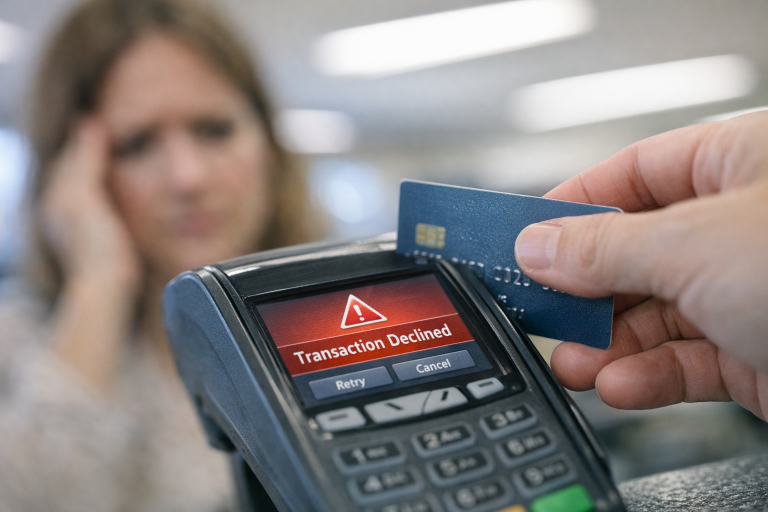
As booking interfaces become more conversational and frictionless, security concerns remain paramount. Research from Discover Global Network shows that 59% of travelers are “somewhat concerned” about payment fraud when traveling, with an additional 22% reporting being “very concerned.” When selecting payment methods for leisure travel, 25% of consumers prioritize the most secure option available.
This creates a dual imperative for travel merchants: embrace AI-driven commerce while maintaining robust fraud prevention. The good news is that AI cuts both ways—while it enables more sophisticated booking experiences, it also powers more sophisticated security and fraud detection systems.
B2B Payments: The Stablecoin Angle
While consumer bookings grab headlines, B2B travel payments are undergoing their own transformation. According to travel payments strategist Paul van Alfen, stablecoins are emerging as a significant force in B2B travel transactions, offering faster settlement and reduced friction for cross-border payments between travel industry players.
Stablecoins—cryptocurrencies pegged to fiat currencies—address a persistent pain point in travel’s complex supply chain: the lag time and fees associated with international settlements between airlines, hotels, travel agencies, and payment processors.
Key Takeaways
- Conversational commerce is the new search. Travelers increasingly expect to book through AI assistants rather than traditional search-and-compare workflows.
- Major players are betting big. The Sabre/PayPal/Mindtrip partnership demonstrates serious momentum behind agentic travel commerce.
- Security cannot be an afterthought. As booking friction decreases, merchants must invest in fraud prevention that maintains consumer confidence.
- B2B innovation matters too. Stablecoins and real-time settlement are reshaping how travel industry participants transact with each other.
- The window for preparation is closing. With Q2 2026 launches already announced, merchants need to assess their payment infrastructure now.
The travel payment landscape of 2026 looks fundamentally different from 2024. For merchants, the question isn’t whether to adapt—it’s how quickly they can integrate with the agentic commerce platforms that travelers are already beginning to expect.