In today’s digital landscape, where the threat of cyber attacks looms large, the airline industry must prioritize passenger security, particularly in payment processing. One innovative solution making waves in this sector is ‘Payment Tokenization for Enhanced Airline Security.’ This method not only safeguards sensitive financial data but also streamlines the payment process, providing a win-win scenario for both airlines and their customers. As we explore the intricacies of payment tokenization, it’s essential to understand how it operates, its myriad benefits, the challenges airlines face during implementation, and the future trends shaping airline payment security.
Nxt Travel – The aviation merchant specialists.

Key Takeaways
- Payment tokenization replaces sensitive card information with unique tokens, enhancing security.
- Implementing payment tokenization can significantly reduce fraud within the airline industry.
- Challenges like integration with legacy systems and stakeholder training must be addressed for successful tokenization.
- The benefits of tokenization include increased customer trust and a streamlined payment process.
- Future trends indicate a growing reliance on tokenization and other technologies for robust airline security.
Understanding Payment Tokenization
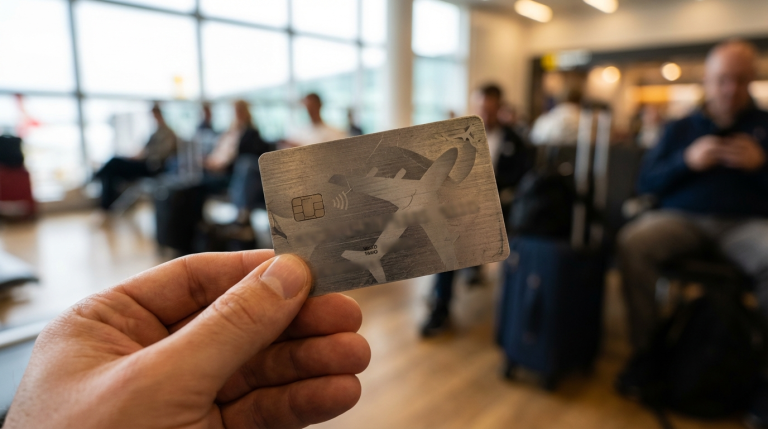
Payment tokenization has emerged as a critical component in enhancing security within the airline industry, ensuring safer transactions for both customers and airlines alike. At its core, payment tokenization replaces sensitive credit card information with a unique identifier, or ‘token,’ that is useless if intercepted. This means that even if a hacker gains access to a database, the actual payment data remains secure. For airlines, implementing payment tokenization for enhanced airline security not only helps in protecting customer data but also builds trust and confidence among travelers. Furthermore, as fraud continues to rise in the digital world, having robust security measures in place becomes essential for maintaining operational integrity and customer loyalty. By understanding the intricacies of payment tokenization, airlines can not only safeguard against data breaches but also streamline transaction processes, resulting in a more efficient and secure travel experience for every passenger.
Benefits of Payment Tokenization in the Airline Industry
In the rapidly evolving landscape of airline operations, payment tokenization for enhanced airline security emerges as a vital solution to combat rising fraud incidents and improve customer trust. Tokenization replaces sensitive payment information with unique identification symbols, or tokens, that have no exploitable value. This process not only safeguards sensitive customer data by ensuring that actual credit card details are not stored or transmitted in a traditional manner but also minimizes the risk of data breaches. Airlines benefit from a significant reduction in compliance burdens associated with regulations such as PCI DSS, as tokenization simplifies the scope of security measures needed to protect payments. Additionally, by implementing tokenization, airlines can provide customers with a seamless transaction experience without compromising security, ultimately leading to increased customer satisfaction and loyalty. With the growing importance of digital payments in the airline industry, adopting payment tokenization is not just an advantage but a necessity for ensuring enhanced airline security and maintaining competitive edge.
‘Innovation distinguishes between a leader and a follower.’ – Steve Jobs
Nxt Travel – The aviation merchant specialists.

Challenges and Solutions in Implementing Tokenization
Implementing payment tokenization for enhanced airline security presents a range of challenges, but with innovative solutions, these obstacles can be effectively navigated. One of the primary challenges is the integration of tokenization technology with existing legacy systems used by airlines. Many carriers rely on outdated infrastructure, making the integration process complex and resource-intensive. To overcome this, airlines can adopt a phased approach, gradually transitioning to tokenization while ensuring that their current systems remain operational. Another challenge lies in educating staff and customers about the benefits and functionality of tokenization. This requires tailored training programs and clear communication strategies to promote understanding and acceptance of this advancing security measure. Additionally, regulatory compliance is crucial, as airlines must ensure that their tokenization practices align with industry regulations to protect sensitive data. By collaborating closely with cybersecurity experts and regulatory bodies, airlines can develop robust protocols that not only enhance security but also foster trust among their customers. Ultimately, while the road to implementing payment tokenization may be fraught with challenges, a strategic approach can significantly bolster security measures in the airline industry.
Future Trends in Airline Payment Security
As the airline industry continues to evolve, payment tokenization for enhanced airline security is emerging as a vital trend in safeguarding sensitive customer information. This innovative technology replaces actual credit card details with a unique token that is useless if intercepted by cybercriminals. As data breaches become increasingly common, airlines are prioritizing payment security by implementing tokenization solutions that not only protect customers but also streamline payment processes. With the rise in digital transactions, it is essential for airlines to adopt robust security measures, and payment tokenization serves as a formidable defense against fraud. Moreover, as travelers become more aware of security issues, they are likely to prefer airlines that prioritize their data protection. Therefore, the implementation of payment tokenization not only enhances security but also cultivates customer trust and loyalty, paving the way for a safer and more secure travel experience.